Amidst growing geopolitical tensions on the Korean Peninsula and in Europe, South Korea has adopted a firm stance regarding military aid to Ukraine. On August 10, 2026, it was revealed that Seoul is officially not prepared to supply lethal weapons to Kyiv, despite active appeals from the Ukrainian leadership. This decision is dictated not only by domestic legislation but also by strategic security considerations in light of the deepening military alliance between Moscow and Pyongyang.
Seoul's Official Position: Priority of Legislation
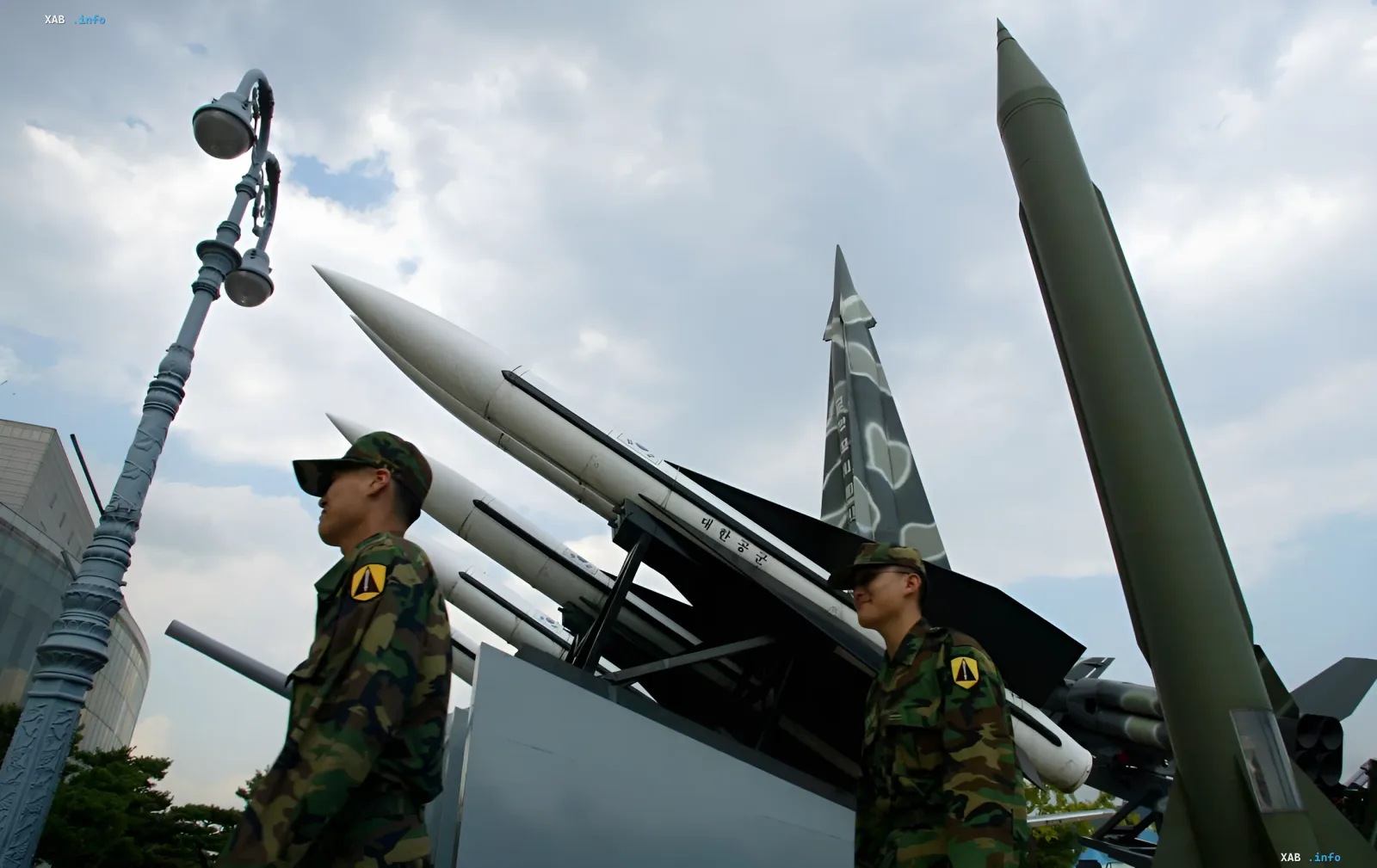
A senior representative of the South Korean Ministry of Foreign Affairs confirmed that the country adheres to a cautious line regarding arms exports. "South Korea's supply of defense materials to any country has always been carried out in strict accordance with domestic legislation," the official stated. In fact, this means that Seoul's current legal framework does not allow the transfer of combat systems to Ukraine, including air defense systems that Kyiv desperately needs for protection against Russian attacks.
Instead of military aid, Seoul emphasizes humanitarian and infrastructure support. South Korea is already providing substantial assistance in the fields of energy, healthcare, and education, continuing to consider measures for restoring peace in Ukraine. However, as experts note, this does not change the essence: the supply of lethal weapons is currently not part of Seoul's policy.
The North Korea Factor: Threat at the Doorstep
A key factor influencing South Korea's position is the intensification of military cooperation between Russia and North Korea. In Seoul, this is perceived as a direct threat to national security. The MFA representative emphasized that such a partnership violates UN resolutions and must be stopped immediately. "We are closely monitoring the development of events," the official added, hinting that Seoul cannot afford to complicate relations with Pyongyang while being in a state of de facto war with it.
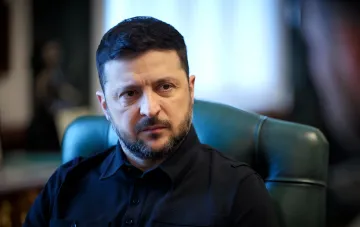
Against the backdrop of these statements, Ukrainian President Volodymyr Zelenskyy previously stated that North Korea is preparing to deploy 30,000–50,000 soldiers on Russian territory. This statement prompted Kyiv to call on Seoul to deepen military cooperation; however, Seoul apparently has no intention of risking an escalation of conflict on its own peninsula to support Ukraine.
Contradictory Data
There are discrepancies in assessments of the scale of threats and the possibilities for cooperation. On the one hand, the Ukrainian side insists on the urgent need to supply air defense systems, citing a critical situation on the front. On the other hand, South Korean sources, including air space monitoring data, indicate that Seoul is detecting violations of its air defense zone by aircraft from Russia and China. This creates an additional context: Seoul itself is in a state of heightened combat readiness and cannot afford to disperse resources.
Furthermore, sources mention a joint development by Germany and South Korea of a missile to shoot down KABs (guided aviation bombs). However, according to current data, this technology is not yet ready for mass export, and its appearance on the Ukrainian market in 2026 remains questionable. Thus, Kyiv's hopes for the rapid delivery of such systems may be premature.
Prospects and Conclusions
South Korea's position remains unchanged: humanitarian aid — yes, lethal weapons — no. This decision is dictated by a complex balance between supporting democratic values and the need to protect its own borders from the threat posed by North Korea and Russia. In the coming months, the situation may change only in the event of a radical change in legislation in Seoul or a significant shift in the geopolitical climate.