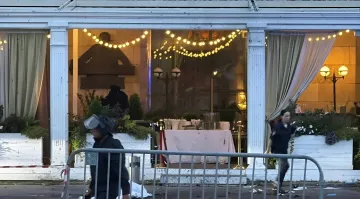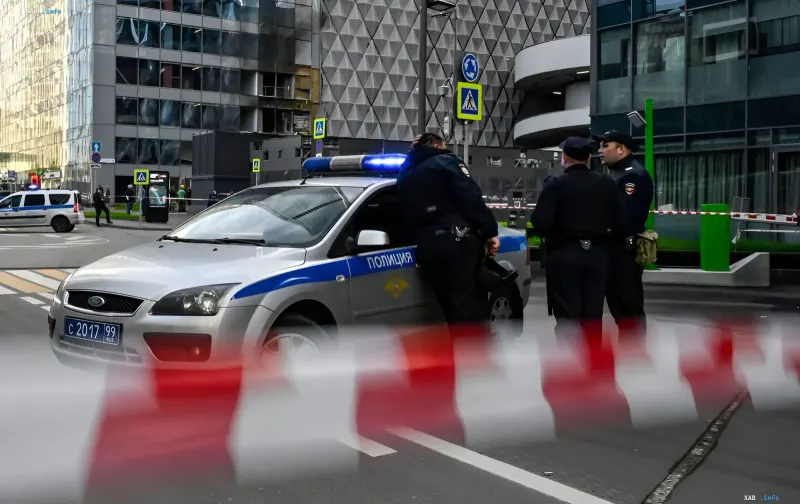
Authorities in the Moscow region have begun publishing official shelter maps for the population. This decision was made against the backdrop of statements about possible missile strikes on Moscow and growing anxiety among residents of the region. Information on where to hide in case of an emergency is now available online.
Interactive maps in districts
On July 30, an interactive map containing data on hundreds of protective facilities appeared on the official website of the Lyubertsy district. The document covers Lyubertsy, Dzerzhinsky, Oktyabrsky, and other settlements. The list of shelters includes deepened rooms intended for protecting people: basements of apartment buildings, underground parking lots, post offices, and other structures.
Similar precautionary measures have been taken in other districts. A similar map was published by the administration of the Podolsk district, and earlier similar data was posted on the website of the Odintsovo district. The publication of the maps coincided with a statement by Denis Shillerman, the owner of the Ukrainian company Fire Point, who warned that ballistic missile strikes on Moscow could begin as early as autumn after the completion of tests of a new projectile.
Refusal to provide information in the past
The Moscow region has repeatedly become a target of Ukrainian drone and rocket attacks during large-scale operations deep into Russian territory. In mid-June, after one of the largest drone raids on Moscow, residents of the region massively complained about the complete lack of warnings and air raid sirens. Russians usually learned about the approaching drones only with their own eyes.
At that time, the Kotelniki administration explained the situation in the city chat by stating that notifications about air attacks are an "extreme, not routine measure," and sirens are only activated in case of a "direct and confirmed threat to life." Officials also refused to provide residents with information on the exact location of shelters, despite numerous questions in the Telegram chat of Governor Andrey Vorobyov. Authorities stated that data on the location of shelters would only be conveyed to the population "during the period of mobilization and in wartime."
Regular attacks and consequences
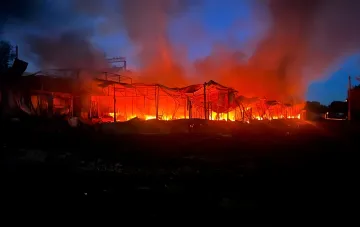
Drone attacks on Moscow and the region occur regularly. On July 28, drones massively attacked the capital. Mayor Sergei Sobyanin reported as early as 5 a.m. that more than 10 drones had been shot down, but this turned out to be only the beginning of the attack. Objects of the Wildberries marketplace and a factory in the region were in the strike zone.
Not always do Russian air defense forces manage to shoot down all targets. In June, drones hit the Moscow Refinery. According to sources, the plant will be able to resume full-scale operations only next year.