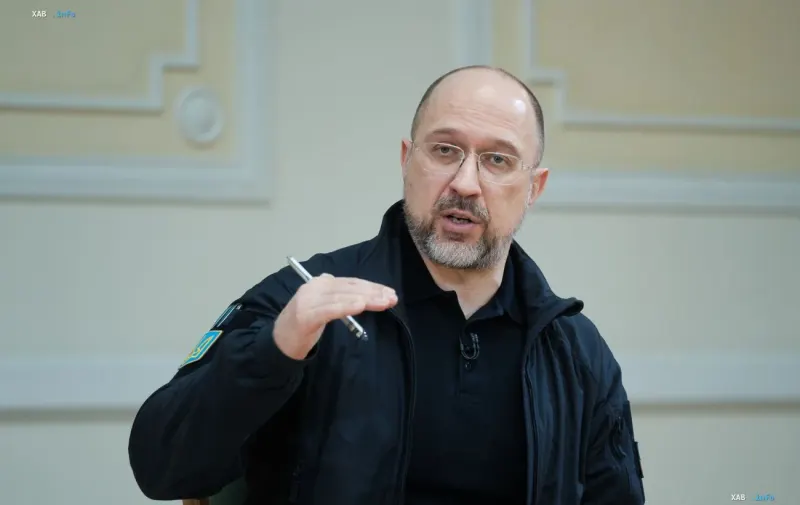
Ukraine's Minister of Energy Denys Shmygal said on a televised marathon that Ukrainian intelligence services handed over two strategic documents to the ministry last week, intercepted from the Russian side. According to the head of the Energy Ministry, these materials detail the tactics of Russian armed formations for the upcoming winter period: which specific infrastructure targets will be struck, with how much and what types of weapons. "It impressed our partners, as it did us, with its cynicism — such cold, terrorist calculation of how to destroy our energy sector," Shmygal emphasized, referring to the reaction of Western colleagues who were shown the intercepted materials.
What exactly the intercepted documents contain
According to the minister, the two voluminous documents "very coldly and very clearly" lay out the parameters of the planned strikes. The materials include tables specifying the amount of weapons needed to destroy each specific target. The list of weapons used covers a wide spectrum: from ballistic missiles to cruise and conventional unmanned aerial vehicles. For each target, as Shmygal stated, so-called "strikes" are outlined — that is, grouped strike formations with specific armaments. According to Kyiv, the enemy is preparing comprehensive strikes across the entire energy supply chain: from heating systems to water supply and wastewater, from generation to interconnectors — both at the entry point into Ukraine's power system from Europe and at the Dniper River crossings. Separate plans, the minister said, have been drawn up for major cities: Kyiv, Kharkiv, Odesa, and other cities with populations of one million and half a million.
How Ukraine is preparing for the winter campaign
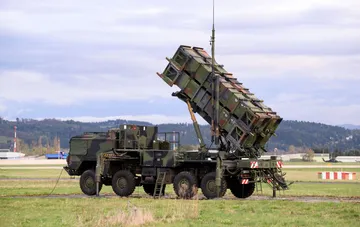
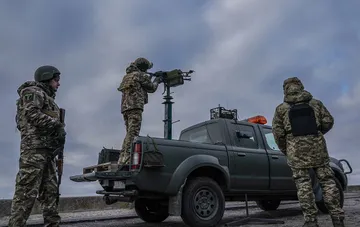
Shmygal reported that preparations for the winter campaign are already in full swing. To date, more than 200 permanent concrete structures — so-called "shelters" — have been built over the targets that, according to the intercepted documents, Russia identified as priority goals. In addition to concrete shelters, pre-detonation screens and protective nets against FPV drones are being installed at energy facilities. In parallel, the ministry is working with international partners on acquiring and stockpiling equipment for rapid repair of infrastructure in the event of successful attacks. At the same time, as the minister noted, it is physically impossible to protect the entire energy sector with a "concrete dome," and the air defense system continues to play a key role in defense.
Assessment of air defense effectiveness and risks
"Of course, air defense today provides 90% protection. But with thousands of missiles and drones, even 10% is painful," Shmygal said, assessing the current capabilities of the defense system. This figure, like the entire volume of intercepted data, is based on an internal assessment by Ukrainian authorities and is not subject to independent verification. Nevertheless, the minister expressed confidence that Ukraine will "dignitously get through the next winter," and in the event of enemy attacks will give a "dignified response," including the continuation of so-called "deep strikes" — attacks on deep targets on Russian territory. "Russia will feel the pain. We are preparing for this winter in a completely different way than we were prepared for the last one," the head of the Energy Ministry concluded.
Contradictory data
The main caveat concerns the very fact and content of the intercepted documents. Both documents were described exclusively orally on the televised marathon; neither the materials themselves, nor their tables, nor specific figures on the number of missiles and drones per target have been published publicly or verified by independent sources. The "90% air defense protection" assessment is also a self-declaration by a Ukrainian department without external audit. Moreover, the intercepted documents mention "ballistic missiles" in the context of strikes on energy infrastructure — a type of weapon whose use against infrastructure targets on a neighbor's territory in a conflict of this scale has not previously been publicly confirmed. Thus, while the fact of Shmygal's statement is confirmed by several Ukrainian media outlets, the content and reliability of the details described on air remain at the level of Kyiv's official position.
Broader context: negotiations and an energy ceasefire
Shmygal's statement came against the backdrop of ongoing discussions about a possible energy ceasefire between Ukraine and Russia. Earlier, President Volodymyr Zelenskyy stated that the Ukrainian side was ready to stop strikes on Russian oil refineries on the condition that Moscow halts attacks on Ukrainian infrastructure, and that this concerns not only the energy sector. Zelenskyy also expressed hope for the end of hostilities by the end of 2026, counting on the support of US President Donald Trump. In this situation, the interception of documents on the preparation of the winter campaign carries a dual significance: on the one hand, it demonstrates Kyiv's readiness for defense; on the other, it can be used as an argument in the negotiation track to justify the need for security guarantees.