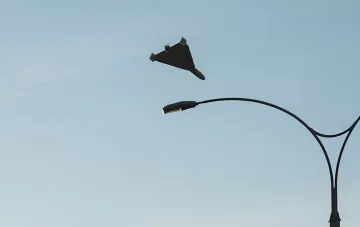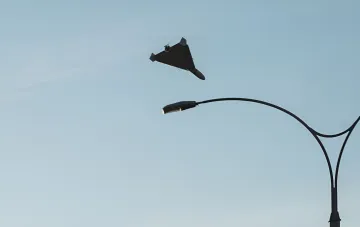
On the morning of July 24, an event occurred over Romanian territory that mobilized the forces of the North Atlantic Alliance. An unidentified unmanned aerial vehicle penetrated the country's airspace, prompting the immediate scramble of combat aircraft. The situation developed rapidly: from the detection of the target to its destruction, only a few hours passed, demonstrating the alliance's readiness to repel aerial threats.
Multinational Scramble: F-16s and Eurofighters in the Sky
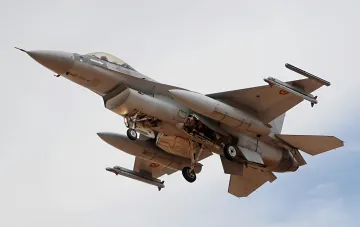
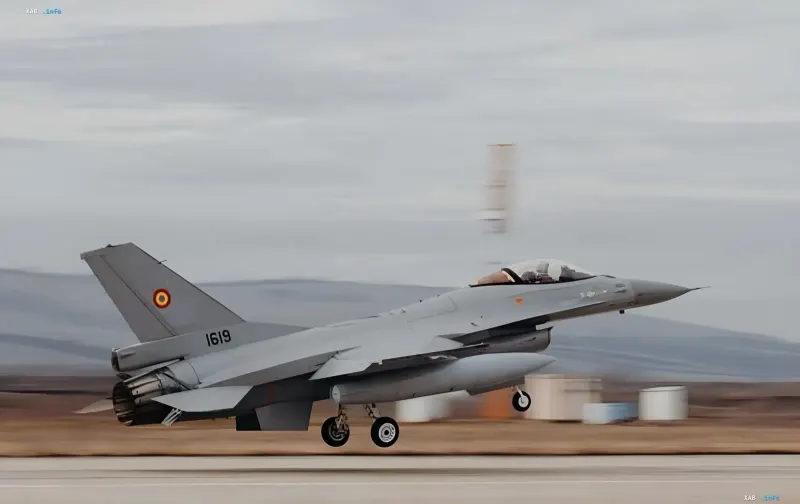
To identify and neutralize the threat, four fighter jets from two NATO countries were deployed. Two F-16 aircraft took off from the Romanian airbase in Fetești, while two Italian Eurofighter jets launched from Mihail Kogălniceanu Air Base. All operations were conducted under the unified command and control of the Supreme Headquarters Allied Powers Europe (SHAPE).
The objective of the sortie was the operational identification of the object. As soon as the drone was recognized and crossed the border of Romanian airspace, command authorized the use of weapons. Shortly thereafter, the threat was neutralized—the drone was shot down.
Alliance Reaction and Official Stance
In an official statement, NATO emphasized that these multinational efforts demonstrate the alliance's ability to respond to any potential threats around the clock. "We are ready to defend our territory and our citizens," the document states. An investigation into the circumstances of the incident is ongoing, with alliance representatives maintaining close contact with Romanian authorities.
Romanian President Nicolae Ciucă confirmed the fact that the drone was shot down around 11:00 on July 24. According to him, the area where the incident occurred was uninhabited, allowing the pilot to open fire without risk to the civilian population.
Context: Air Defense Strengthening and Provocation Theory
The incident occurred against the backdrop of active strengthening of air defense systems in NATO countries. Romania, in particular, recently acquired the MEROPS anti-drone system, specifically designed to intercept small unmanned aerial vehicles. This indicates that the alliance is paying increased attention to protection against modern threats, including drones.
Yuriy Ignat, a representative of the Ukrainian Air Force, did not rule out the possibility that Russia may have intentionally directed the drone towards NATO countries. If this version is confirmed, it could have serious geopolitical consequences and require further analysis by international observers.