Autumn care for fruit trees requires a balanced approach: while main cherry pruning is typically carried out in summer, the autumn period focuses on assessing plant health and preparing for upcoming frosts. Experts from relevant institutions and agronomic agencies recommend concentrating on protecting the trunks and root systems of young saplings to minimize the risk of winter damage.
Autumn Pruning Rules and Why You Should Not Rush with Secateurs
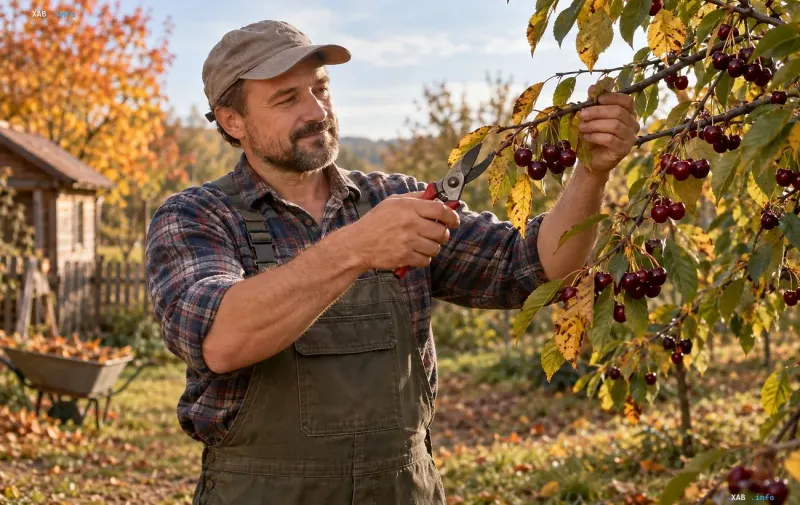
Main cherry pruning is usually completed in summer, during July and August, right after harvesting. Specialists from the Royal Horticultural Society (RHS) advise performing these tasks on dry days when no rain is forecasted for the next two days. This approach minimizes the risk of silver leaf and bacterial canker infections. Planned autumn pruning of healthy shoots is not recommended, as damp and cold weather turns fresh cuts into open gateways for pathogens.
The only exceptions are dry, broken, or clearly diseased branches that threaten bark integrity. If a tree has serious damage, the decision to remove it should be made after consulting a specialist. At the same time, stimulating new growth before winter is strictly discouraged: applying nitrogen fertilizers at the end of the season can trigger shoot growth that will inevitably perish from the first frosts.
Protecting the Trunk and Bark from Sunburn and Rodents
Young cherry saplings have thin bark that is highly vulnerable to sharp temperature fluctuations and winter sunburn. As researchers from the University of Minnesota note, light-colored protective wraps help reflect sunlight and maintain stable bark temperatures. Phytosanitary inspector Inna Bodnar also confirms the importance of using special breathable materials to cover trunks, reducing negative weather impacts.
In addition to climatic factors, rodents pose a serious threat to young saplings. To protect against hares and mice, a fine metal mesh or protective guard should be installed around the trunk. The structure must reliably block pests without squeezing the bark or restricting the natural thickening of the trunk as the tree grows.
Root System Care and Final Autumn Garden Preparations
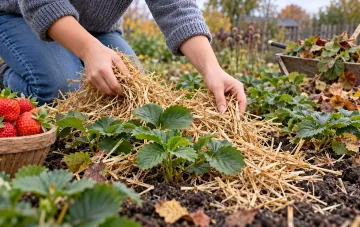
The roots of young cherry trees have not yet grown deep into the soil and therefore require reliable insulation. Organic mulch, such as compost or peat, is applied around the root zone to prevent freezing. Additionally, gardeners are advised to check soil moisture: in a dry autumn with unfrozen ground, a moderate moisture-recharging watering is beneficial, whereas over-saturated soil requires no extra water.
The final stage of preparing the garden for winter is sanitary cleanup. Fallen leaves with signs of disease and mummified fruit remains must be cleared away to prevent pathogens from overwintering. Furthermore, it is important to check the condition of supports and ties for young trees, ensuring stakes securely hold the trunk against strong winds without causing damage.
The Importance of Comprehensive Autumn Care for Future Harvests
Proper preparation of sweet cherries for the winter period lays the foundation for tree health and future fruiting next season. Avoiding unjustified pruning, timely protection of trunks from frost cracks and rodents, and insulating the root zone allow saplings to successfully survive cold weather without excessive stress. Attention to detail and adherence to agrotechnical recommendations save gardeners from many problems in spring.