With the start of the heating season and the arrival of cold weather, conditions for indoor plants change dramatically: indoor air becomes dry due to radiators, temperatures drop on windowsills, and shorter daylight hours reduce the amount of natural light. According to experts, attempts to compensate for unfavorable factors with heavy watering or frequent spraying often lead to the opposite result, causing root rot or the development of diseases.
Dangers of Windowsills and the Impact of Heating
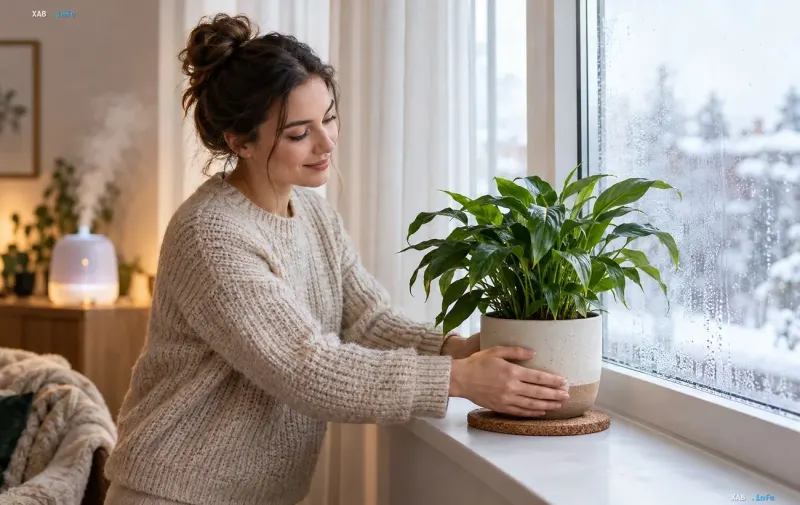
Cold windowsills and proximity to hot radiators pose a serious threat to indoor flowers. Experts from the Royal Horticultural Society (RHS) warn that root overcooling and drafts impair plant health, and in orchids, it can cause flower buds to drop. Do not leave pots between the glass and heavy curtains where cold air accumulates, or place them directly against radiators. If the windowsill gets very cold, it is better to move the pot to a nearby table or stand, and when airing the room, remove heat-loving specimens from the path of cold drafts.
Controlling Air Humidity and Combating Dryness
Tropical crops such as ferns, calatheas, and orchids react particularly acutely to a drop in humidity, causing their leaf tips to dry out and buds to drop prematurely. As Penn State Extension experts explain, outdoor air contains little moisture in winter, and after heating indoors, its relative humidity drops even further. To maintain an optimal microclimate, it is recommended to use a humidifier paired with a hygrometer. Meanwhile, popular wet pebble trays or regular leaf spraying provide only a short-term and weak effect, failing to replace a proper humidification device.
Watering Mistakes and Shortage of Daylight
During the autumn-winter period, due to shortened daylight hours and reduced light intensity, many plants slow down their growth and consume significantly less water. Maintaining the summer watering schedule causes soil to stay wet too long and root systems to rot. To prevent stems from stretching and leaves from turning pale, plants should be moved closer to a light source or special phytolamps should be used. At the same time, it is important to consider the individual needs of each species and prevent plants from being exposed to direct scorching sun in inappropriate conditions.
The Importance of Proper Plant Adaptation to Winter
Proper adjustment of care during the cold season helps keep the indoor collection healthy until spring without unnecessary losses. Accounting for temperature requirements, limiting excessive watering, and proper placement away from extreme heat and cold zones provide plants with stable conditions. Prompt response to changes in the indoor microclimate helps avoid common problems such as leaf drop and bud drying.