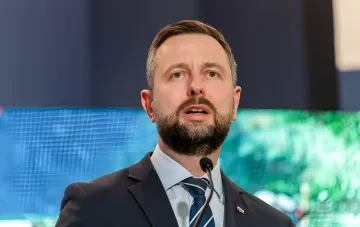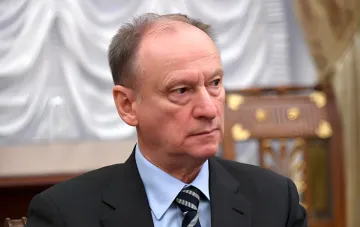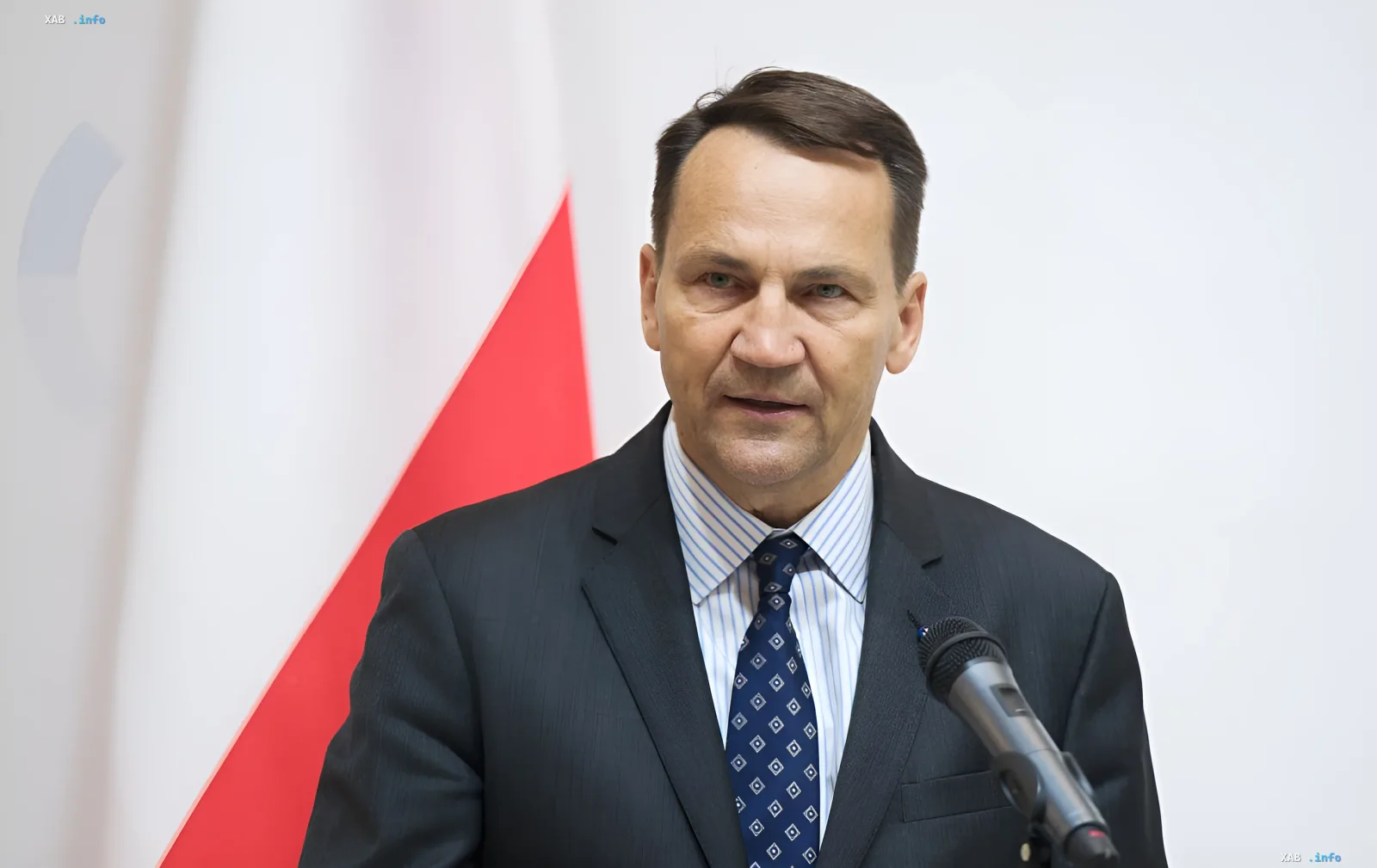
Warsaw has interpreted reports of the CIA director's talks in Moscow as an additional argument in favor of accelerating its own defense preparations. This was stated by Poland's Deputy Prime Minister and Minister of Foreign Affairs Radosław Sikorski, commenting on the visit of the head of the American intelligence agency to the Russian capital. In his words, any assurances from Moscow that Russia has no intention of attacking NATO should not be taken at face value, since the Kremlin had made similar promises on the eve of the full-scale invasion of Ukraine.
Assurances that Warsaw does not intend to take at face value
Sikorski emphasized that "Putin's spies, apparently, told the CIA director that he would not provoke NATO," and reminded that similar assurances had been heard before. "Putin told President Biden's CIA director that he would not invade Ukraine," noted the head of Polish diplomacy, pointing to the repetitive nature of Russian promises, which, in his assessment, were not borne out in practice. It is precisely this experience, according to the minister, should determine Warsaw's attitude toward any new guarantees from Moscow.
Secret visit and Kremlin confirmation
The context for Sikorski's statement was the visit of CIA Director John Ratcliffe to Moscow, which, according to media reports, took place this week in a closed format. It was reported that during the meeting the American intelligence official warned Russia against attacks on NATO. The Kremlin subsequently confirmed the fact of Ratcliffe's talks with Russian security services, which added further resonance to the Polish minister's statement: even officially acknowledged contacts, in Warsaw's assessment, do not negate the need to strengthen defense.
Call to accelerate defense preparations
Against the backdrop of these events, the head of Polish diplomacy directly called for accelerating the country's defense preparations. The logic of Sikorski's position is built on the fact that diplomatic and intelligence signals from Moscow cannot be regarded as a guarantee of security, and therefore the only reliable response remains the strengthening of one's own armed forces and integration into the alliance's defense structures. Thus, the CIA director's visit was interpreted in Warsaw not as a reason for optimism, but as a signal that the threat persists and requires practical, not declaratory, measures.
Contradictory data
The available sources contain two inconsistencies that should be taken into account. First, the media described Ratcliffe's trip as a "secret visit," whereas the Kremlin publicly confirmed the talks — meaning the very fact of the contacts was not secret, and only the degree of closedness and the content of the meeting remain disputed. Second, Sikorski refers to assurances given to "President Biden's CIA director," whereas the current visit is taking place in a different administrative reality; this is a temporal reference point that, on a superficial reading, could be mistakenly taken as a reference to the incumbent director. In addition, some of the supplementary material on Sikorski (in particular, his June statements that negotiations on Ukraine's accession to the EU would not be easy) relates to a different diplomatic track and does not directly confirm the details of the CIA visit, and is therefore used only as context for the active position of the Polish Foreign Ministry.
Altogether, Warsaw's position boils down to the fact that neither intelligence signals nor Moscow's public assurances remove the need for accelerated defense strengthening. For the Polish side, this is a continuation of a course in which diplomatic activity — including statements on the prospects of Ukraine's European integration — is combined with the practical strengthening of defense capabilities.