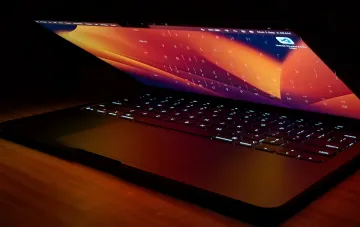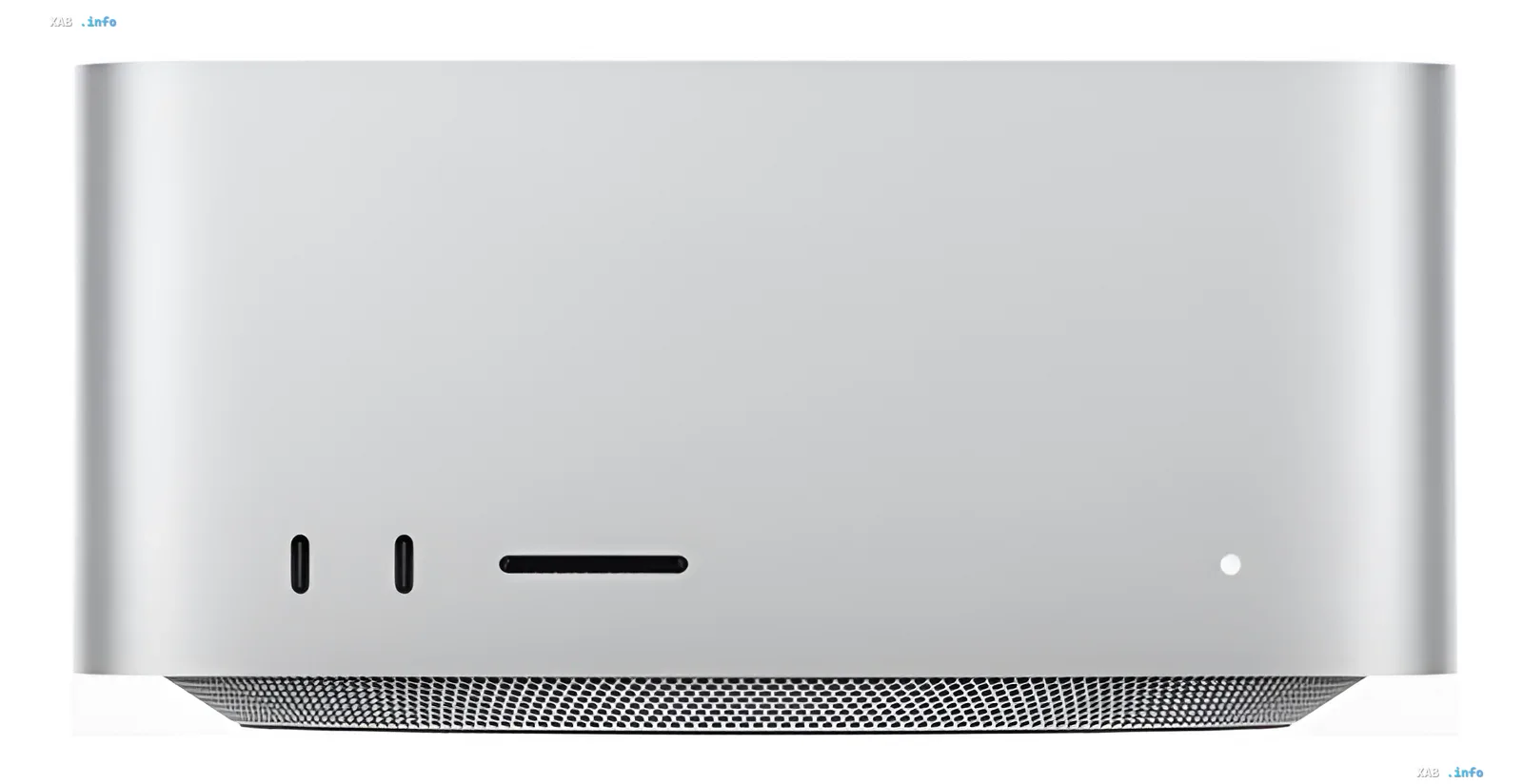
In August 2026, Apple took a significant step to strengthen its position in the Chinese market by announcing a strategic partnership with technology giant Alibaba. According to the updated user manual, Mac owners in China can now connect the Qwen generative AI model to the Siri digital assistant and the Writing Tools feature. This move allows Apple to integrate advanced Chinese AI technologies into its ecosystem, responding to fierce competition from local manufacturers.
New Capabilities for Siri and Writing Tools
The Qwen generative AI model family, developed by Alibaba, offers a wide range of capabilities: from text creation and image generation to deep analysis of documents and photos. According to technical specifications available in Apple's updated manual, users who have confirmed their consent will be able to use these models via Siri to receive more detailed responses to queries. The Writing Tools feature also gained access to Qwen's capabilities, allowing for the generation of content and images based on text descriptions directly within the macOS interface. The update is available for Mac computers running macOS 26.6 or later.
The Battle for the AI PC Market in China
Apple's decision to partner with Alibaba is a direct response to the changing dynamics of the personal computer market in mainland China. According to data from analytics firm Omdia, Mac shipments in the first quarter of 2026 fell by 9% year-on-year, reaching approximately 800,000 units. As a result, Apple's share of the Chinese PC market dropped to 9%. Meanwhile, local competitors are actively promoting their own AI solutions: Lenovo, holding 31% of the market, has made its personal AI agent, Tianxi, a central element of its strategy, while Huawei, with a 16% share, is integrating AI functions across its entire HarmonyOS ecosystem.
Localization Strategy and Competition
Reuters notes that the agreement with Alibaba, developed specifically for the Chinese market, is designed to help Apple compete in the AI PC segment, where the company is losing ground. Integrating Qwen allows Apple to offer functionality that was previously available primarily on devices from domestic brands. This collaboration demonstrates Apple's willingness to adapt its global products to local requirements and preferences, using the best available technologies, even if they belong to competitors in other sectors.
Contradictory Data
While Apple's official manual confirms the integration of Qwen, there are nuances in interpreting the scale of this collaboration. Some analysts suggest that this could be a limited feature test available only for certain versions of macOS 26.6, while other sources assume a broader implementation. Furthermore, the exact details of how user data will be processed when using Qwen via Siri remain a subject of discussion, raising questions about privacy and information security.
Future Prospects
The integration of Qwen into the Apple ecosystem could set a precedent for future partnerships with other Chinese AI companies. This collaboration not only strengthens Apple's position in the Chinese market but also opens up new opportunities for the development of AI functions on a global scale. However, the success of this strategy will depend on how effectively Apple can combine its quality and security standards with the capabilities of Chinese AI models, as well as on user reaction to the new features.