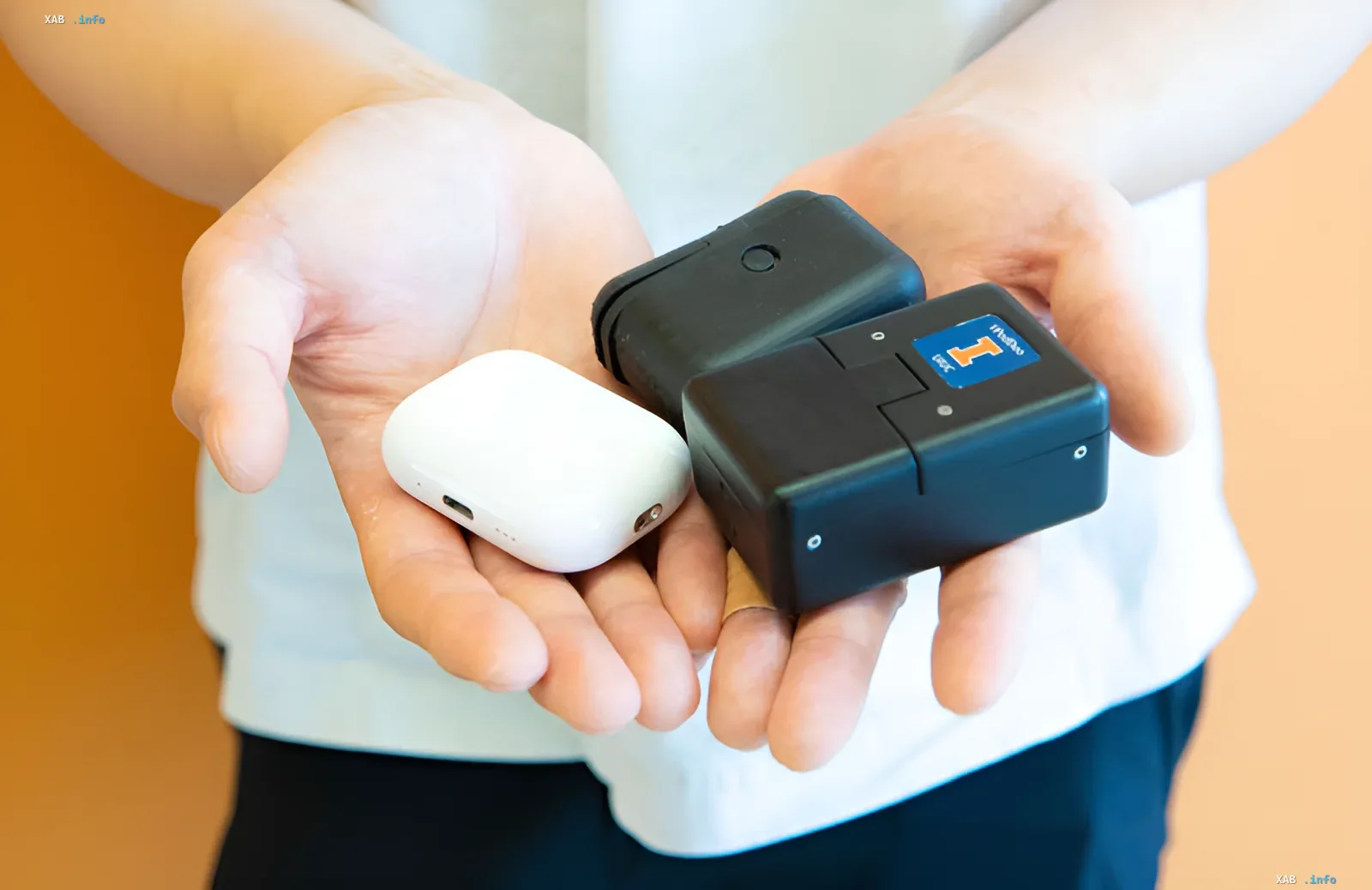
On August 9, 2026, the world of medical diagnostics is experiencing a revolution that is taking place not in huge laboratories, but right in patients' pockets. American engineers have unveiled the VPodDuo — a portable analyzer comparable in size to a wireless AirPods case. This device is capable of performing complex molecular tests, previously available only in specialized clinics, right at home or in field aid points.
From qualitative "yes/no" to precise quantitative assessment
The main difference between VPodDuo and familiar rapid tests (such as those for flu or pregnancy) lies in the depth of analysis. Traditional home tests usually give a binary answer: presence or absence of a marker. The new device allows for quantitative assessment of results over a wide range. This means that the user can not only find out if there is an infection but also assess the concentration of the pathogen or biomarker, which is critical for monitoring treatment effectiveness and early detection of oncology.
Engineering trick: why is it so small?
Developers managed to radically reduce the device's dimensions by abandoning bulky optical cameras in favor of simple photodetectors. The operating principle is based on fluorescence: the sample is excited by light, and the emitted green fluorescence is registered by a photodiode. Such a scheme not only reduced production costs but also allowed for a compact housing. Moreover, the device is equipped with a lid sensor that blocks measurements when external light enters, ensuring accuracy even in non-ideal conditions.
Dual channel and support for advanced technologies
A unique feature of VPodDuo is the presence of two independent measurement channels. Two standard ports for PCR tubes (200 µl volume) simultaneously hold the test and control samples. This allows for comparing results under identical conditions, eliminating errors. The device supports a wide range of diagnostic methods: RT-LAMP, recombinase polymerase amplification (RPA), CRISPR/Cas-based tests, and the TRAP method. During trials, the device successfully detected the Zika virus, Staphylococcus aureus, HIV, as well as oncological markers, in particular the EGFR gene mutation associated with lung cancer.
The future of medicine: 10 minutes to results
Experiments have shown that for most tests, preparation or incubation takes only about 10 minutes. This makes VPodDuo an ideal tool for preliminary screening in hospitals or where there is no access to full-scale equipment. Connectivity with a smartphone allows you to control the test, visualize data, and transmit it to a doctor in real time. In 2026, this device is considered a universal platform capable of radically changing the approach to home diagnostics and early detection of serious diseases.