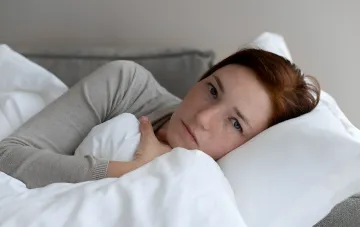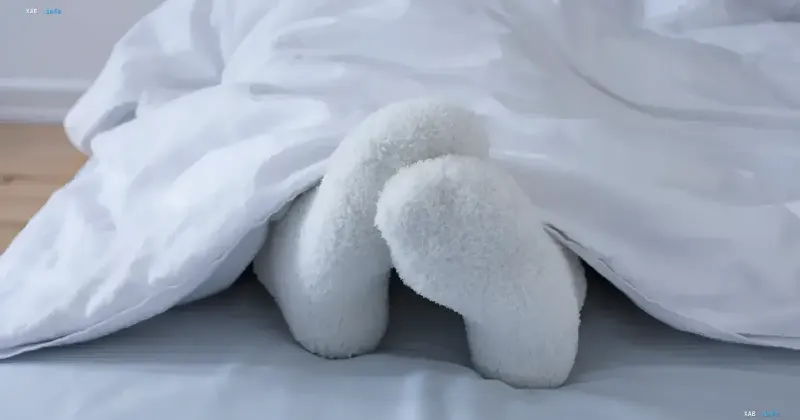
Every night, millions of people around the world face the same problem: cold feet make it harder to fall asleep. Many people instinctively reach for a pair of warm socks before bed, but until recently, this habit remained in the realm of folk superstition. However, scientific evidence confirms that sleeping in socks can indeed affect the quality of night rest. This is not a myth, but a fully explicable physiological mechanism that has long been studied within somnology and human physiology.
2018 Study: Numbers That Surprised Everyone
In 2018, the Journal of Physiological Anthropology published a study observing six young men who slept in socks. The results were unexpected even for the authors themselves: participants fell asleep an average of 7.5 minutes faster and slept 32 minutes longer compared to nights when they went to bed without socks. At the same time, the authors honestly point out the main limitation: a sample of six people is too small to extrapolate the results to the entire population. Nevertheless, the data aligns with the general theory of thermoregulation during sleep onset and provides a reason to consider this habit as one of the possible tools for improving sleep.
Why Warm Feet Help You Fall Asleep: The Physiology of the Process
The key to understanding the effect lies in blood vessel function. When feet warm up, capillaries on the skin's surface dilate—a process called vasodilation. Expanded vessels allow the body to release excess heat into the environment more efficiently. Paradoxically, it is this peripheral "cooling" that triggers a drop in core body temperature, which is a mandatory condition for transitioning into sleep. Without this thermal signal, the brain does not receive the "permission" to sleep, and a person tosses and turns in bed for a long time. Socks, by creating local heat for the feet, accelerate this process and help the body enter the required temperature regime faster.
Comfort and Foot Care: The Practical Side
Beyond the physiological effect, socks also solve a purely practical problem: for people whose feet are constantly cold, a warm pair provides tangible comfort throughout the night. If the skin on your feet tends to be dry, specialists recommend applying a moisturizer before bed and putting on clean socks—they will help retain moisture and prevent cracking. At the same time, the choice of socks matters: soft, breathable models made of natural or blended fibers that do not compress the foot or create a feeling of tightness are best for sleeping. A clean pair should be worn every night, and if overly thick or tight socks cause overheating and discomfort, it is better to take them off without waiting until morning.
When Sleeping in Socks is Contraindicated
It is important to emphasize that sleeping in socks is not a universal recommendation for everyone. People with diabetes, peripheral neuropathy, or lower limb circulation disorders should strictly follow individual doctor's recommendations for foot care. In particular, compression socks should not be worn during sleep without a specialist's prescription: they can disrupt microcirculation and worsen the problem. Before making socks a permanent part of your evening routine, people in high-risk groups should consult a therapist or phlebologist.
Main Conclusion: Comfort First
Sleeping in socks is not a medical obligation or a mandatory element of sleep hygiene. It is a simple, affordable habit that can help those who suffer from cold feet or experience difficulty falling asleep. If you feel warm and comfortable in socks and notice that you fall asleep faster, there is no reason to abandon this practice. But if your feet do not get cold and you sleep wonderfully without socks, there is no need to force this habit upon yourself. As with many other health issues, the principle of individual comfort works here: listen to your body and choose what helps you get a good night's sleep.