
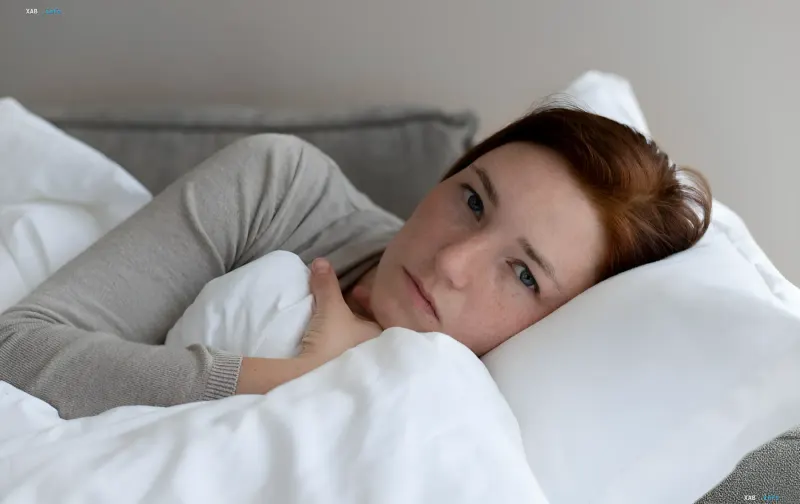
After a night spent amid explosions and air-raid sirens, many Ukrainians complain that they cannot return to normal even the next day. According to family doctor Liliia Sarakhman, who gave an exclusive comment to Wave RBC.UA, the reason lies in the fact that the body is simultaneously undergoing two serious loads: an acute stress response and chronic sleep deprivation. It is precisely this combination that explains why well-being can remain depressed long after the immediate danger has passed.
“Fight or Flight” Mode: What Happens to the Body
When a person finds themselves in a zone of real threat, the sympathetic nervous system is activated — the so-called “fight or flight” mode. At this moment, the level of stress hormones rises sharply, primarily adrenaline and noradrenaline. Against this backdrop, characteristic physical manifestations appear: a rapid heartbeat, trembling hands, sweating, elevated blood pressure, and general muscle tension. The body literally spends significant resources trying to cope with the perceived danger and cannot instantly switch to a calm state.
The Consequences of Fear and Sleep Deprivation
To the acute reaction to danger is added a second factor — sleep disruption. Even a single night with frequent awakenings or a complete lack of sleep negatively affects reaction, memory, and the ability to control emotions. The doctor notes that after a strong fright, headaches, nausea, abdominal discomfort, and a pronounced feeling of weakness often occur. Therefore, the next day it is completely normal to feel exhausted and less productive than usual: the nervous system has not yet completed the recovery process.
Practical Steps for Recovery
Sarakhman advises first and foremost not to demand maximum productivity from yourself and, if possible, to postpone non-essential tasks, leaving only the most important things for the day. It is important to drink enough water and eat properly, without compensating for fatigue with coffee alone or by skipping meals. It is best not to overdo caffeine: one serving is usually enough, since a large amount after a stressful night can intensify excitement, trembling, and a rapid heartbeat. If possible, get out into the daylight — a calm walk in the fresh air for 20–30 minutes helps the body switch out of constant readiness mode. If you are very sleepy, a short daytime nap of about 20–30 minutes is acceptable, but not too late, so as not to disrupt nighttime sleep.
Returning to the Routine and Red Flags
The doctor warns: after a heavy night, there is often a desire to compensate for sleep deprivation with a very long daytime sleep or to completely change the schedule. However, if possible, it is better to return to the most familiar routine in the evening — have dinner, rest a little, and go to bed at the usual time. The main rule is not to demand an instant return to the previous pace, because the nervous system needs time to calm down. At the same time, severe chest pain, pronounced shortness of breath, loss of consciousness, a serious injury, or other acute symptoms cannot be attributed to stress alone: in such cases, urgent medical assistance is required.