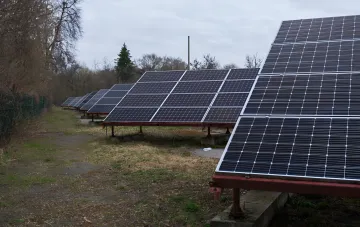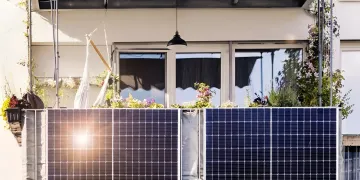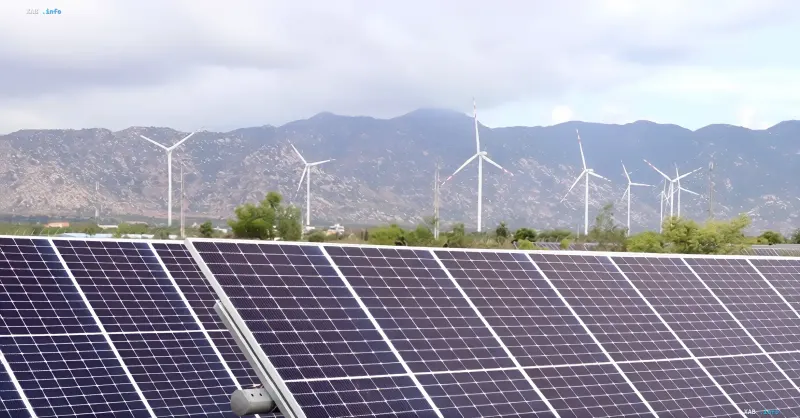
The expansion of solar energy has helped Europe save approximately 37.4 billion euros (42.02 billion US dollars) by reducing gas imports since the conflict in Iran began. The rapid development of solar power is helping the European Union (EU) reduce its need for gas imports, thereby mitigating the impact of rising fossil fuel prices on a volatile energy market.
Energy Crisis and Rising Gas Prices
According to SolarPower Europe, the expansion of solar energy has allowed Europe to save substantial funds by curbing gas imports. Meanwhile, European gas prices have surged in recent months amid shipping disruptions through the Strait of Hormuz, placing immense pressure on supply. The Dutch TTF gas price rose from approximately €31.96/MWh on February 27 to €72.35/MWh on September 30, equivalent to a 126.5% increase.
Contradictory Data
It is worth noting that expert communities and various reports cite different figures regarding savings from clean energy adoption. While SolarPower Europe estimates total savings from solar generation at 37.4 billion euros following the Middle East escalation, other analytical agencies in their summer reports recorded more modest figures of 20 billion euros, with total annual savings from all renewables in 2025 reaching 51 billion euros. These discrepancies are due to differing methodologies in calculating the cost of substituted fossil fuels and spot gas price dynamics.
Renewable Energy Records Across EU Nations
In this context, solar energy has become one of the key domestic energy sources helping the EU reduce its dependence on imported fuel. In June, solar generation became the largest energy source in the EU, accounting for about 25% of the block's total electricity production. In Spain, wind and solar capacity has doubled since 2019, adding over 40 GW to the grid and helping reduce the hours expensive fossil fuels dominate electricity prices by 75%.
Prospects and Challenges for the European Power Grid
Eurostat data shows that renewable energy sources accounted for 54.1% of total EU electricity production in the second quarter of 2026. Experts emphasize that alongside expanding renewables, the EU must actively develop electricity storage systems and flexible regulatory solutions to effectively protect the economy from future price shocks.