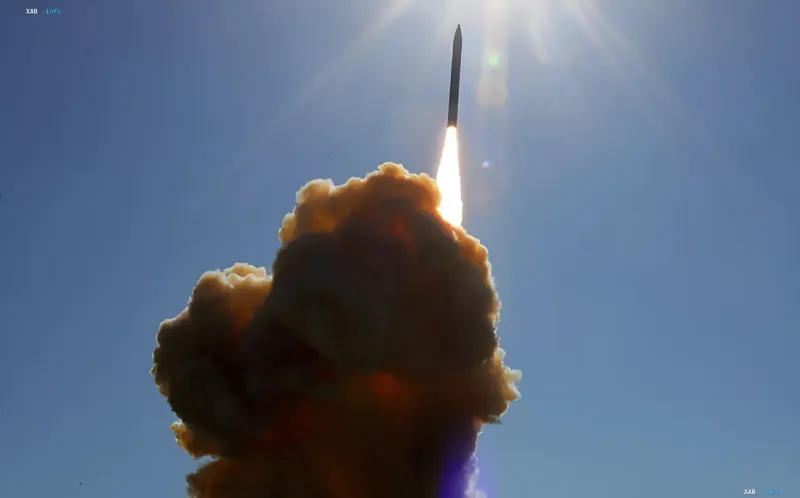
Following its initial test launch of a hypersonic gliding vehicle on October 8, South Korea is set to continue reliability testing and technology refinement. Experts estimate that it will take another three to four years before the systems are actually deployed for operational use.
Prospects for Hypersonic Weapon Deployment
Park Jeong-sын, former director of the Agency for Defense Development (ADD), stated that the domestically developed hypersonic gliding vehicle (HGV) could enter service within the next 3-4 years following the completion of trials and performance optimization.The October 8 test marked a major step forward in mastering core hypersonic weapons technologies. The vehicle is capable of speeds exceeding Mach 5 while dynamically altering its altitude and trajectory, making interception extremely difficult for existing air and missile defense systems.
Technological Challenges and Strategic Deterrence
Developing such advanced platforms requires optimal airframe design, composite materials, and high-temperature structures, representing years of accumulated technological capabilities in South Korea's defense sector.In terms of deterrence, the Hyunmoo-5 ballistic missile remains a vital strategic asset. Experts emphasize the need for an integrated reconnaissance and strike network, including small surveillance satellites and unmanned systems, to maintain operational readiness.
Contradictory Data
While official estimates project deployment within 3-4 years, independent analysts point out potential technical hurdles in high-speed thermodynamic testing, suggesting that schedules could shift based on intermediate test outcomes and funding dynamics.