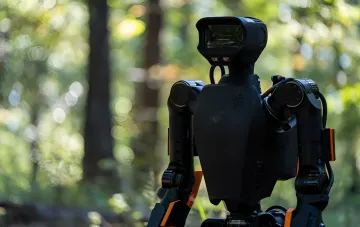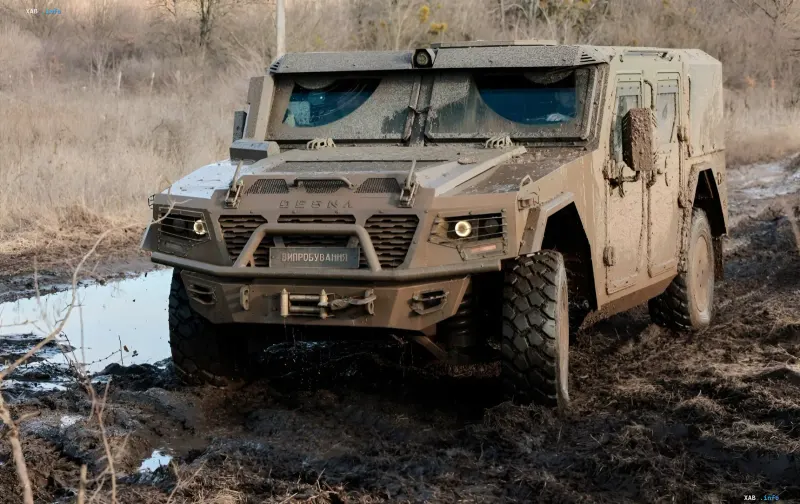
The creation of large ground robotic systems (GRSs) comparable in size to modern armored vehicles involves a unique set of engineering and tactical problems. Unlike small platforms, heavy machines require a fundamentally different approach to design, navigation, and safety in actual combat conditions.
Technical Complexities and the Deficiency of Human Intuition
Gennadiy Khirgiy, CEO of Ukr Armo Teh, detailed the difficulties of scaling unmanned equipment in a recent interview. According to him, while it is technically possible to build a large drone, making it truly reliable and autonomous on the battlefield is extremely difficult. The main challenge lies in replacing the human factor: a driver's experience in unconsciously assessing soil, slopes, and obstacles still outperforms modern sensors and algorithms.
The Problem of Communications and Electronic Warfare
The second critical factor in modern armed conflict is the stability of communication channels. Due to the enemy's active use of electronic warfare (EW) systems, a heavy robotic platform cannot afford to be entirely dependent on continuous remote control by an operator. This brings the issue of autonomy to the forefront, forcing engineers to embed software capabilities that allow the vehicle to make basic decisions independently if communication is lost.
Economic Feasibility and Combat Experience
Closing the chain of key challenges is the economic aspect. If the cost and complexity of a robotic platform begin to approach that of a full-fledged armored vehicle, the military leadership must clearly understand the operational advantages of such a solution. Meanwhile, Ukrainian units continue to test innovative methods of deploying GRS in practice: in particular, fighters of the Alter Ego battalion from the 93rd Mechanized Brigade and units of the 3rd Army Corps have successfully mastered the technology of dropping such complexes behind enemy lines using heavy bomber drones.