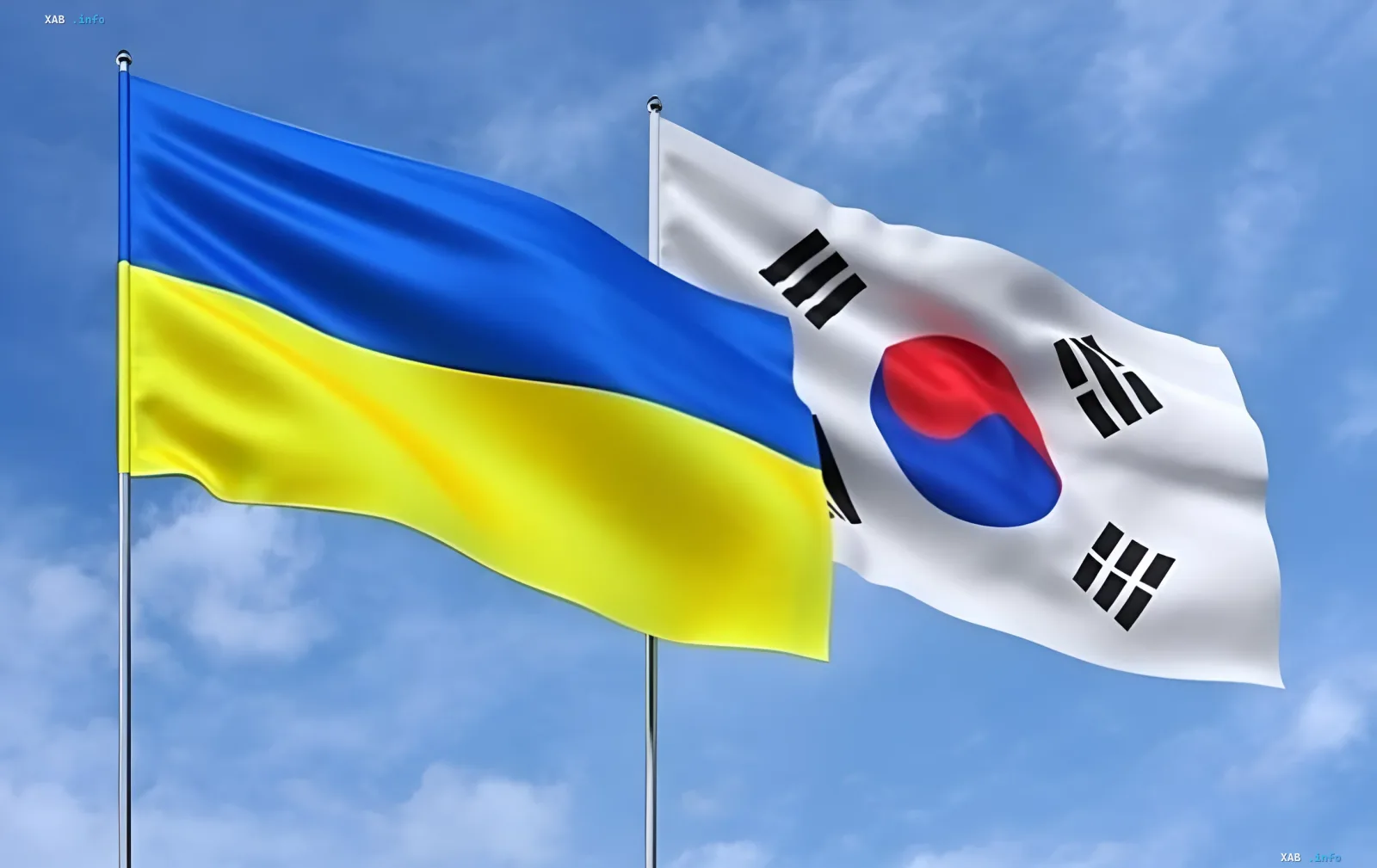
Official Seoul has reacted harshly to statements by the Ukrainian side claiming that petroleum product imports from South Korean ports helped Russia mitigate the consequences of drone attacks on Russian oil refineries. The public controversy was triggered by data released by Ukrainian authorities regarding large-scale fuel purchases in July and August 2026.
Background and Essence of Kyiv's Accusations
Vladyslav Vlasiuk, the Ukrainian presidential commissioner for sanctions policy, previously released information indicating that Russia imported over 176,000 tons of petroleum products from South Korea over the two summer months. According to the published data, in August such supplies accounted for nearly 31% of total Russian fuel imports. The conclusions were based on port records and an analysis of vessel movements that completed 14 trips to Russian Far East ports using seven tankers, some of which are already under UK and European Union sanctions.
Seoul's Reaction and Official Denial
The office of the South Korean president called the voiced accusations groundless, emphasizing that they were made without proper fact-checking. Presidential spokesperson Kang Yu-jung stated that Seoul has strictly adhered to international sanctions and its own stringent export control mechanisms against Moscow since the first days of the full-scale invasion. According to her, the provided vessel data does not allow for a reliable determination of all transaction circumstances, including the actual origin of the cargo, the parties to the agreements, and the ultimate buyers.
Contradictory Data
On one hand, the Ukrainian side insists on the fact of supplies through intermediary chains and the use of the shadow tanker fleet, which allegedly allowed the Russian Federation to compensate for fuel shortages following Ukrainian drone strikes on refineries. On the other hand, South Korean authorities categorically state that official trade statistics for the period from August 2025 to August 2026 do not record any direct exports of gasoline, diesel, or jet fuel from South Korea to Russia. Despite denying wrongdoing, Seoul promised to conduct an additional investigation into specific shipping episodes, warning that such reckless statements could seriously damage international trust.
Expert Assessments and Consequences
This diplomatic incident demonstrates the extreme complexity of monitoring compliance with global sanctions in conditions of complex logistics and the use of the shadow fleet. Experts note that such disagreements between Ukraine's key allies in the Asia-Pacific region require the most transparent and verifiable intelligence sharing to avoid escalating tensions and to maintain a united front of international support for sanctions pressure on the Russian economy.