
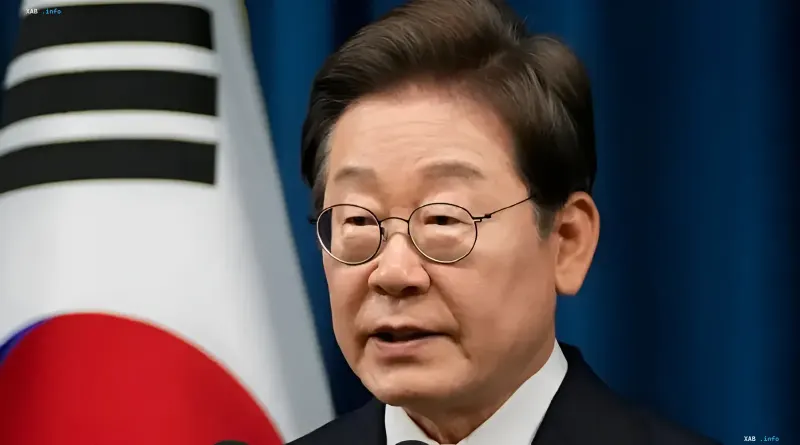
Personal Example of the Head of State
President of the Republic of Korea Lee Jae-myung has officially confirmed the sale of his only private property. The transaction, completed in the city of Seongnam (Gyeonggi Province), was not just a financial operation but a powerful political signal. The 164-square-meter property, owned by the politician since 1998, was sold for 2.9 billion won (approximately $1.9 million USD).
The President's administration emphasizes that the decision was made voluntarily. This step aims to demonstrate the President's personal commitment to the structural reforms being implemented and to strengthen citizens' trust in state housing policy. During his term of office, Lee Jae-myung will reside in the official government residence, completely giving up his personal housing.
Fighting Conflicts of Interest
The President's decision fits into the context of South Korea's strict anti-corruption legislation. According to civil service regulations, top officials are required to declare their assets annually. The introduction of measures to discourage multiple property ownership, including the Comprehensive Real Estate Tax, aims to prevent the use of official positions for speculative profit.
The issue of housing affordability remains one of the most acute in the country. In major agglomerations, especially in Seoul, prices are rising due to speculative activity. Previous attempts to stabilize the market often faced criticism because officials themselves owned multiple properties. Now, the Lee Jae-myung administration is introducing regulatory requirements obliging high-ranking officials to dispose of excess assets to avoid conflicts of interest when making regulatory decisions.
Finances and the Future
The funds received from the sale of the apartment will be fully reflected in the annual public property declaration. The amount remaining after tax payments will be transferred to accounts within a blind trust. This measure aims to eliminate any regulatory risks and guarantee the transparency of the head of state's actions.
The public reaction to this step is mixed. Supporters of the administration see this as an important reputational gesture, confirming the leadership's readiness to share the consequences of economic decisions with citizens. Opposition analysts, while acknowledging the symbolic significance, remind that one gesture is not enough: administrative restrictions must be backed by measures to stimulate private construction and liberalize credit policy.