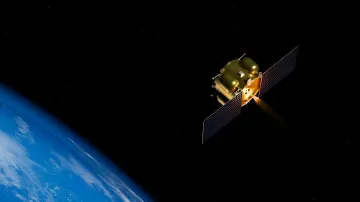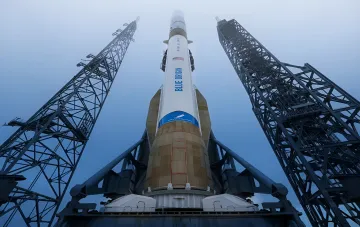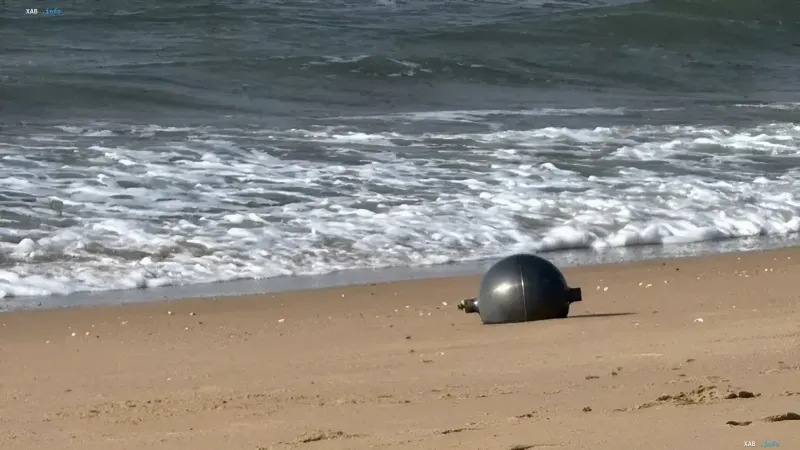
The race for space dominance has led to an unexpected and alarming consequence: Earth is increasingly becoming a target for falling space debris. According to data from The New York Times, the number of objects entering the planet's atmosphere is growing rapidly. If ten years ago the US government warned about 110 such devices, last year this figure reached almost 820 units.
Scale of the problem and unpredictability
Mariusz Słonina, head of space situational awareness operations at the Polish Space Agency, notes that the return of rocket and satellite parts happens daily. Moreover, large objects weighing a ton or more fall to Earth approximately once a week.
Most of this "debris" burns up safely in the atmosphere or falls into the waters of the Pacific Ocean. However, when an object is not completely destroyed, it falls uncontrollably and unpredictably. Sources of danger include both spent rocket stages (300 were launched last year) and malfunctioning satellites. There are currently more than 16,000 such devices in orbit.
The race for mega-constellations
The situation is exacerbated by the ambitious plans of private space companies. Elon Musk's SpaceX already has more than 10,000 satellites in orbit, and the company has applied to launch another million. Jeff Bezos and his Blue Origin, as well as Chinese operators, plan to deploy hundreds of thousands of satellites as part of their "mega-constellations".
Risk to the population
At the moment, the statistics seem reassuring: the probability of being struck by lightning is still higher than getting injured by space debris. The only documented case occurred in 1997, when a piece of debris fell on a woman in Oklahoma, but no injuries were sustained.
However, experts warn that the situation could change drastically. A study conducted for the US Federal Aviation Administration (FAA) predicts that by 2035, SpaceX satellite debris could injure or kill people every two years.
The problem of disposal and regulation
A key risk factor is the incomplete burning of devices. Previously, SpaceX claimed that all returning satellites are completely destroyed upon entering the atmosphere. However, after the discovery of equipment debris on a farm in Canada in 2024, the company adjusted its data, admitting that about 5% of the mass of some satellites may survive.
Sean O'Keefe, a professor at Syracuse University and former NASA administrator, is calling on governments and corporations to switch to materials that completely disintegrate upon entering the atmosphere.
Currently, there is no clear legislative regulation of the space debris issue in the US. The Federal Communications Commission only requires notification of risks, and the FAA, despite proposing disposal rules, withdrew them in January following industry protests. The question of compensation for damages to victims also remains open.