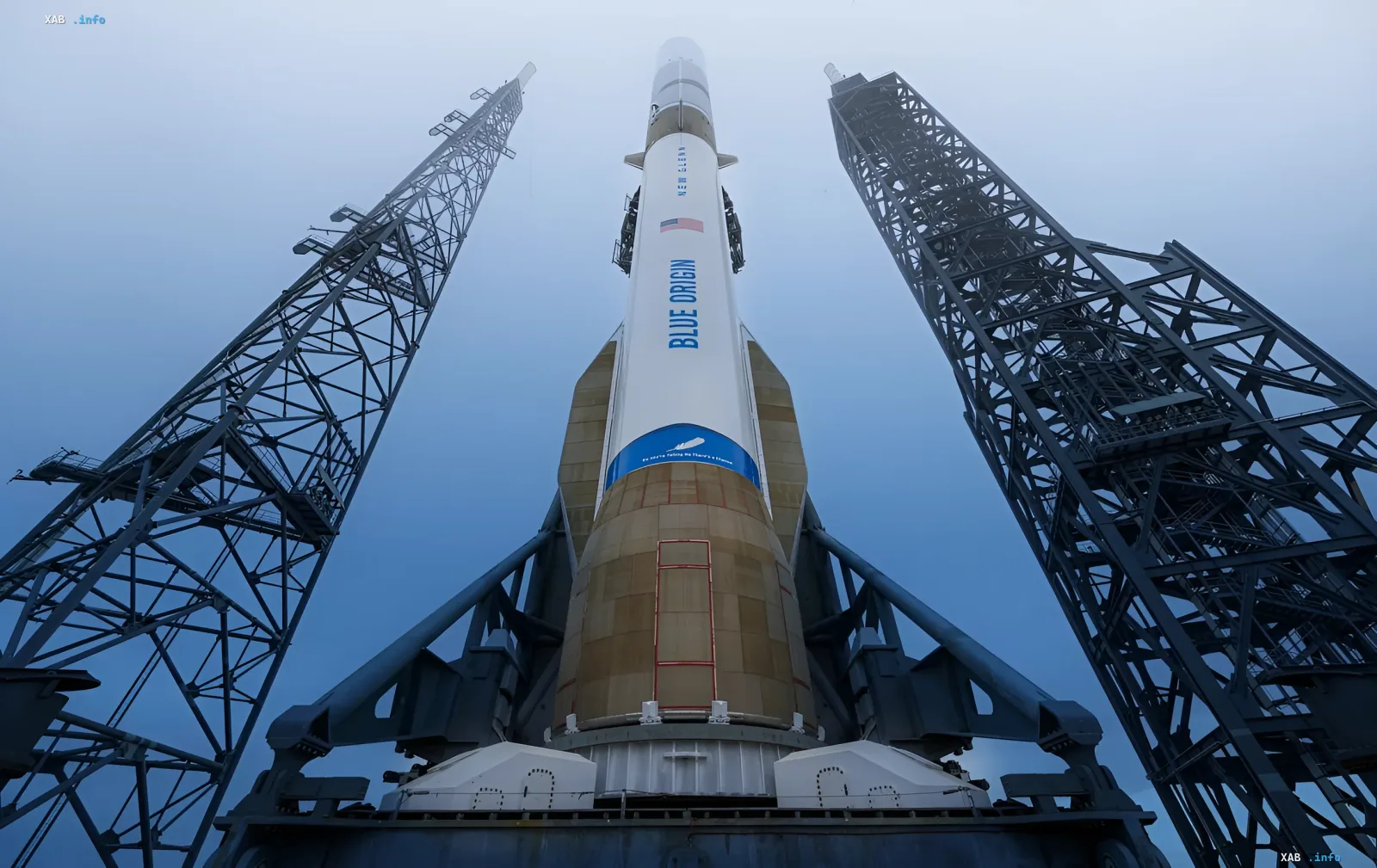
Blue Origin, the company owned by Jeff Bezos, has officially announced the conclusion of its investigation into the catastrophic explosion of the New Glenn launch vehicle, which occurred on May 28, 2026. Company Executive Director Dave Limp confirmed that the accident, which turned the rocket into a fireball, was caused by a technical malfunction in the oxidizer feed system. Despite significant financial damage and destruction at the launch site, engineers have already developed a plan to rectify the defect.
Critical Failure in BE-4 Engine
According to official data published on August 7, the root of the problem lies in one of the BE-4 engines installed on the rocket's first stage. Specialists identified a malfunction in a valve within the main oxygen line. This component failed to operate correctly, leading to an uncontrolled release of energy and the subsequent explosion. Limp noted that the path to a solution is clear: "We are making minor modifications to the valve that can be quickly installed on existing engines".
The BE-4 engines are a key element of the New Glenn architecture, providing thrust for the first stage. It is important to note that these same powerplants are used on United Launch Alliance's (ULA) Vulcan Centaur rockets, making this incident significant for the entire commercial launch industry.
Impact on Infrastructure and the Artemis Program
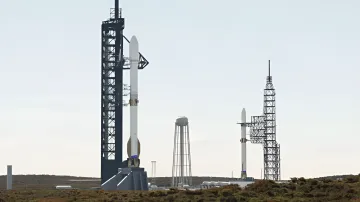
The consequences of the May 28 explosion were extensive. The accident caused critical damage to Launch Complex 36A (LC-36A) at Cape Canaveral. Blue Origin leased this facility back in 2015 and spent over a decade reconstructing it. The site, which had been fully operational for only 18 months following New Glenn's first successful launch in January 2025, now requires major repairs.
Restoring infrastructure has become a priority for the company. However, delays in resuming New Glenn flights pose risks to related projects. In particular, the schedule for NASA's Artemis lunar program, where Blue Origin plays a crucial role in logistics and cargo transport, is now under threat.
Impact on Partner ULA and Vulcan Centaur
The New Glenn incident has direct consequences for United Launch Alliance (ULA), which also uses BE-4 engines on its Vulcan rockets. Blue Origin and ULA are cooperating in the investigation of the incident. While ULA has not yet commented on how this will specifically affect their own launch schedule, the situation is causing concern within the industry.
The Vulcan rocket has already faced a series of technical challenges. During a February mission to deploy a U.S. Space Force satellite to geosynchronous orbit, a malfunction occurred with the nozzle of a solid rocket booster. Although the mission was completed successfully, Vulcan has not flown since. The booster supplier, Northrop Grumman, reported in a July 21 statement that it has taken corrective measures and plans to deliver a revised version of the GEM 63XL engines by the end of the year.
Recovery Timeline
Despite the destruction, Blue Origin remains optimistic about the future. Company leadership plans to prepare New Glenn for new flights by the end of 2026. Current efforts are focused on two areas: the physical restoration of the LC-36A launch complex and the implementation of modified valves in the BE-4 engines. Component-level tests and engine hot-fire tests have confirmed the effectiveness of the proposed solutions.