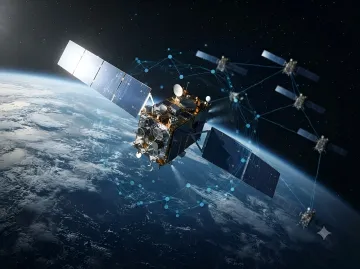
SpaceX held its first-ever quarterly investor conference, summarizing its financial performance and presenting ambitious plans for the coming years. The event, marking a milestone for the company following its IPO, revealed details of strategic directions, including the development of artificial intelligence, the expansion of the Starlink satellite system, and preparations for regular Starship launches.
Financial results for the second quarter of 2026
For the second quarter of 2026, SpaceX's total revenue reached $7.8 billion, significantly exceeding analyst forecasts of $6.93 billion. The main contributors to this financial success were internet access services via Starlink, which generated $4.3 billion, and the newly established SpaceX AI division, accounting for $2.6 billion.
Despite record revenue, the company is still operating at a loss. The net loss for the second quarter was $541 million. However, this figure was significantly better than market expectations, as specialists had predicted a loss of nearly $2 billion.
Plans for AI development and computing power
Simultaneously, the company plans to rapidly expand its computing power. It is expected that by the end of 2026, the total capacity of data centers will reach 2 GW, and by the end of 2027, it will reach almost 10 GW. It is noted that cloud contracts worth $6.7 billion were signed in the first weeks of the third quarter.
Space ambitions: Starship and the Moon
According to plans, by 2027, SpaceX aims to achieve a launch rate for the Starship spacecraft of one launch per day. The first manned landing on the Moon remains scheduled for 2028.
Contradictory data
There are discrepancies in various sources regarding the interpretation of SpaceX's financial indicators. For example, one source indicates that despite revenue growth, record AI spending led to a crash in the company's stock price. At the same time, another source emphasizes that losses were significantly lower than forecasts, which may indicate a more stable financial position for the company.
Thus, while SpaceX demonstrates impressive financial results and ambitious plans, the company faces challenges related to high expenses for developing new technologies. The company's future will depend on its ability to effectively manage these expenses and achieve its strategic goals.