In August 2026, SpaceX made significant changes to its tariff structure and hardware offerings for the Starlink satellite internet service. The key event of the month was the return of a bonus for users of the most expensive home plan — Residential Max. Now, new customers subscribing to the $130 per month plan in the US and Canada can once again rent the compact Starlink Mini antenna without an additional monthly fee.
Return of the Bonus for the Premium Segment
The opportunity to get Starlink Mini for free, which was cancelled back in June 2026, has reappeared in the connection section of the company's official website. This decision is aimed at increasing the appeal of the flagship Residential Max tariff. Free equipment rental is valid for the entire period of an active subscription to this plan. Starlink Mini is a mobile version of the terminal that users can take with them on trips; however, a separate Starlink Roam plan is required to operate outside the home. SpaceX also provides Residential Max owners with a 50% discount on mobile plans, making the bundled offer even more attractive for those who value mobility.
New Standard: Starlink V5 Antenna Limitations
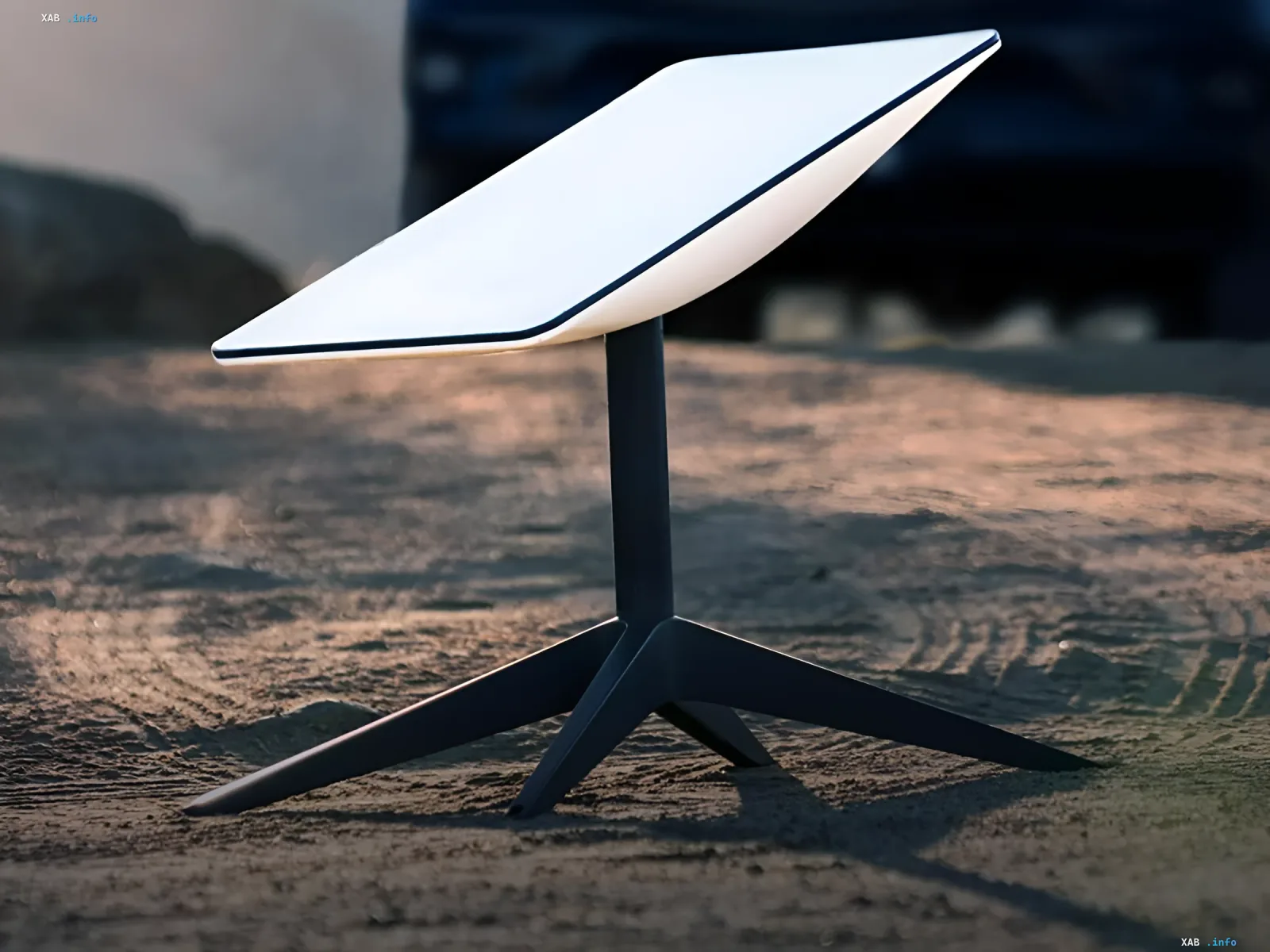
Alongside benefits for premium clients, the company has tightened conditions for standard equipment. The new Starlink V5 antenna, positioned as more compact and energy-efficient, has received a number of functional limitations. Specifically, this terminal no longer supports the $10 per month Standby mode. Previously, this tariff allowed users to temporarily disable full internet access, switching to a minimal connection with a speed of about 0.5 Mbps while maintaining basic network access. The absence of this option in V5 means users must choose between paying the full tariff or disconnecting completely.
Market Segmentation and Technical Nuances
Currently, the Starlink V5 antenna is offered exclusively in conjunction with the Residential 100Mbps plan for $55 per month. The technical specifications of the new terminal include a maximum download speed of up to 375 Mbps, which is slightly lower than the V4 version. Furthermore, the Starlink V5 design lacks a GPS module, making it impossible to use the antenna in scenarios requiring precise positioning while in motion. This is a clear division of functions: V5 is focused on stationary home internet, while mobility remains the prerogative of other models.
Company Strategy in 2026
SpaceX's actions in August 2026 demonstrate a clear market segmentation strategy. For buyers of the expensive Residential Max tariff, the company is restoring flexibility and mobility through Starlink Mini, offering additional discounts on roaming. At the same time, for the mass segment with the Residential 100Mbps tariff, a simplified but cheaper version of the equipment, V5, is provided, lacking certain features such as standby mode and GPS. This approach allows the company to optimize costs and offer different levels of service depending on the customer's ability to pay.