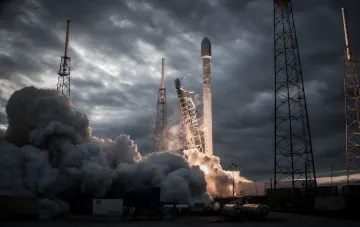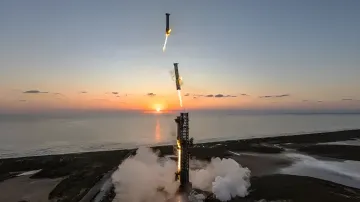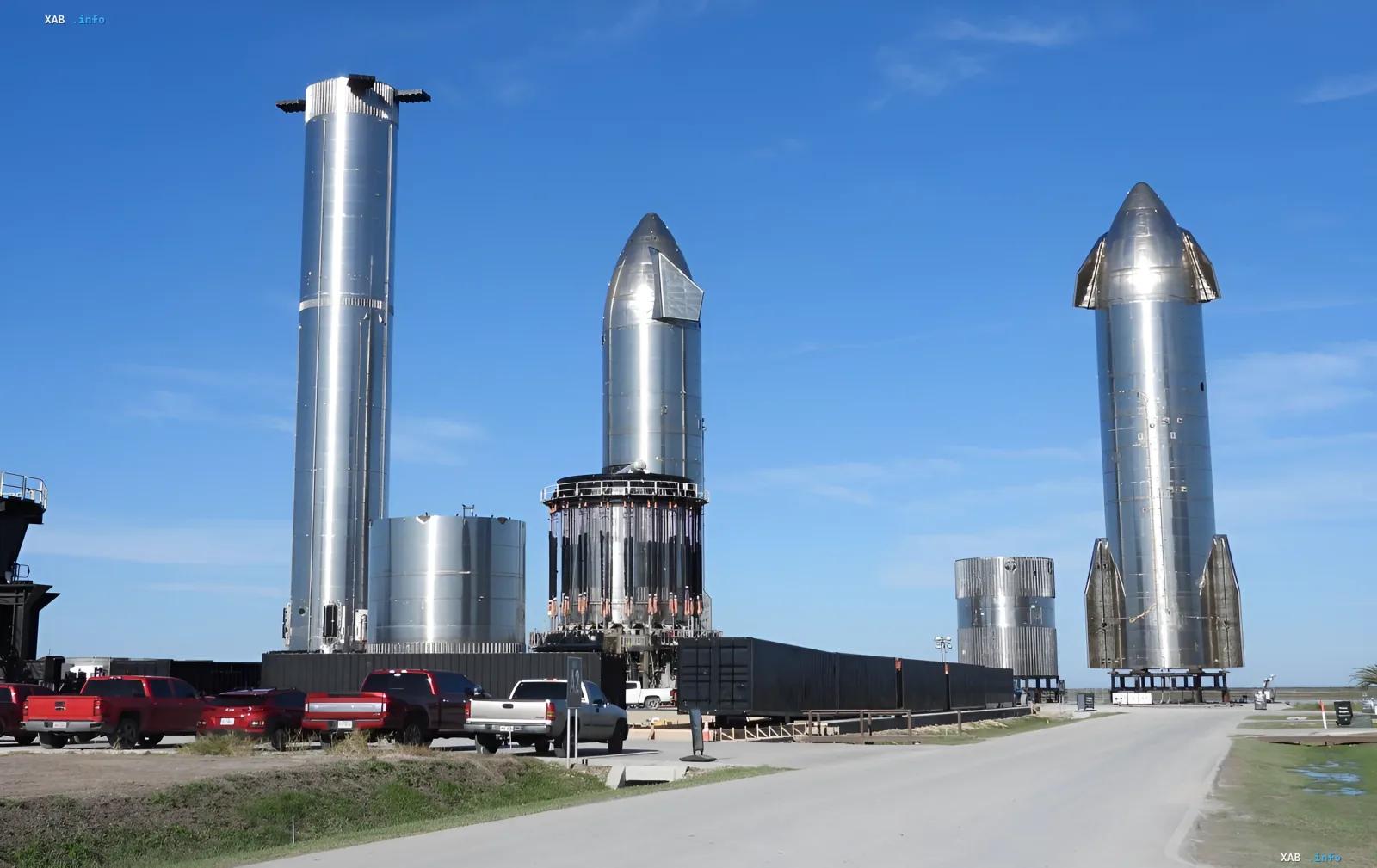
SpaceX is preparing to carry out, for the first time in history, a full orbital flight of its Starship vehicle. This is reported by RBC-Ukraine, citing the company's press office. The mission in question is Flight 14, which is fundamentally different from all previous suborbital missions: for the first time, the vehicle will reach a full orbit of the Earth. According to the company, the launch is scheduled for no earlier than Tuesday, September 22, 2026, subject to receiving the corresponding regulatory approval.
First Full Orbital Flight
Unlike previous suborbital tests, Flight 14 involves reaching an orbit at an altitude of approximately 275 km. The vehicle is expected to complete around six laps around the Earth, with the total mission duration lasting nearly 10 hours. The final stage will be a controlled deorbit using a single Raptor engine and a splashdown in the Pacific Ocean west of Chile.
Engineering Upgrades After Previous Flights
Before the new launch, engineers made a number of critical changes to the design of both stages. The Super Heavy booster received an updated fuel filtration system and new software for reliable engine restarts during landing in the Gulf of Mexico: last time, three central engines clogged with ice, which led to a hard crash of the stage. Starship's thermal protection was reinforced with additional fasteners for the most vulnerable tiles, and curved tiles for plasma protection will also be tested. The first case of reuse has also been noted: two tiles removed from the hull of Ship 40 after it was recovered from the Indian Ocean were installed on the Ship 41 vehicle.
No Tower Catch
This time, the Super Heavy booster or the upper stage will not be caught using the launch tower. The company explains the decision as a need to eliminate the risk of critical damage to the launch complex, which makes the mission more conservative from an infrastructure standpoint, despite the ambitious orbital goal.
26 Starlink V3 Satellites
The key payload will be the deployment of 26 third-generation Starlink satellites — the largest update to the satellite constellation to date. Each V3 vehicle adds 1 terabit per second of capacity, which in total will provide 26 terabits per second of additional throughput. SpaceX emphasizes that this is roughly 10 times greater than the performance of a single Falcon 9 launch of V2 mini satellites. In addition, three satellites were equipped with special cameras to photograph Starship's thermal protection tiles in space.
Contradictory Data
On the one hand, the company and the media unanimously call the event the megarocket's "first orbital launch," yet formally it is the 14th flight in the series, which sometimes leads to discrepancies in terminology. On the other hand, the stated date — "no earlier than September 22" — is conditional and directly depends on regulatory approval, so the actual launch day may shift. Finally, the decision to forgo catching the stages with the tower looks like a step back from the customary demonstration of the "catch" technology, although officially it is motivated by protecting the launch complex rather than a technical failure.