Companies SpaceX and Tesla have begun formal negotiations regarding a potential historic merger that could create a technology corporation valued at approximately $3.5 trillion. The issue of combining Elon Musk's assets has moved from public discourse into a phase of work by special committees formed to evaluate financial terms and structure the deal. Currently, the companies are in the process of coordinating share swap mechanisms and determining the operational strategy of the combined entity.
Details of the negotiation process
To ensure objectivity and protect shareholders' interests, the parties have established independent committees. Negotiating on behalf of Tesla are Chairman Robyn Denholm, Kathleen Wilson-Thompson, and Jack Hartung. SpaceX is represented by Roelof Botha and Randy Glein. Despite their professional ties to Elon Musk, these directors are formally considered financially disinterested parties in this deal. The founder himself is not directly involved in negotiations, aiming to adhere to corporate governance rules.
Leading financial institutions have been engaged for precise calculations: Morgan Stanley and Goldman Sachs are advising SpaceX, while Evercore acts on behalf of Tesla. The bankers' key task is to develop financial models to determine a fair share swap ratio. Analysts are examining synergy opportunities, including integrating artificial intelligence technologies, chip production, robotics, and the potential adoption of SpaceX rocket technologies into Tesla's automotive industry.
Context and market background
Merger discussions intensified following SpaceX's recent debut on the Nasdaq exchange. The publication of registration documents containing new wording about potential large-scale transactions, along with comments from SpaceX President Gwynne Shotwell, fueled investor interest. Ms. Shotwell previously noted that such a merger could simplify the management of Musk's current assets, which was interpreted by the market as a serious signal of a strategic shift.
Elon Musk has publicly confirmed his interest in the initiative, noting that he sees significant advantages for both sides in the merger. Tesla's market capitalization is estimated at $1.5 trillion, while SpaceX's market value reaches $2 trillion. If the negotiations conclude successfully, the deal will become the largest corporate merger in business history.
Significance of the deal and outlook
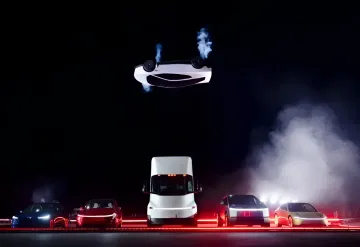
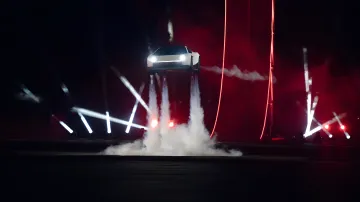
Merging the two technology giants could radically transform the high-tech sector landscape, creating a platform for ambitious projects such as using SpaceX rocket boosters in new Tesla Roadster electric car models. A primary barrier to realizing the deal remains the necessity of obtaining approval from institutional and private investors holding significant shares in Tesla. The merger terms are expected to be agreed upon by the end of 2026, though the process remains complex and intense, given the high degree of responsibility directors face regarding business valuation results.