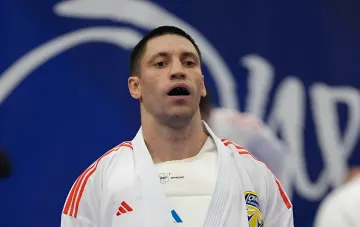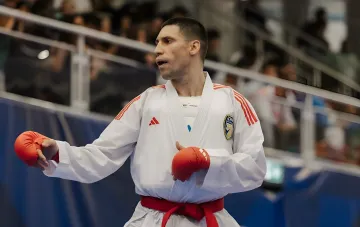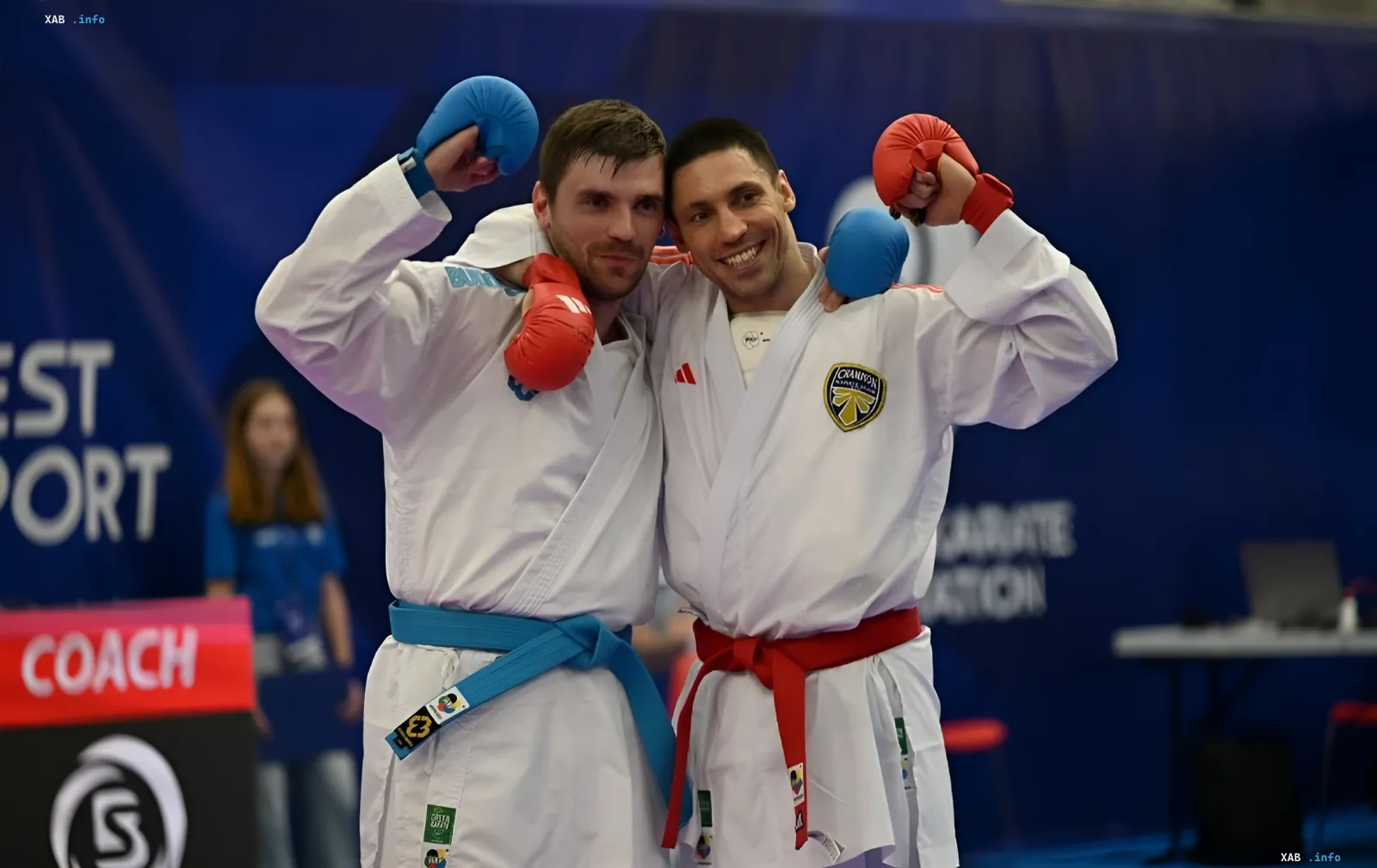
Ukrainian karate athlete Stanislav Horuna, a name synonymous with sporting excellence, decided to return to active competition after a two-year hiatus. The choice to return at such a late stage of his career came as a surprise to many, but for the athlete himself, it was deeply personal. In an exclusive interview on October 13, 2026, the athlete emphasized that he wanted to conclude his career not with a formal announcement, but with a full-fledged performance on the tatami.
Philosophy of departure: ending through action
Horuna admitted that before the Salzburg tournament, which became the stage for his return, he modeled various outcomes. As an experienced fighter, he understood the risks well: returning after a two-year layoff at the age of 37 involves immense physical and mental strain. "You can lose effectively and beautifully too," he reasoned, exploring different scenarios but setting himself a primary goal — to end his sporting path honestly.
The athlete noted that the preparation for the return was a "thought-out adventure." The two-month training cycle, including camps at Drahobrat, was aimed not only at physical recovery but also at adjusting to a new weight category of 84 kg. Horuna emphasized that this was a conscious decision by a mature athlete who had already had an experience of returning in 2017 after a severe injury, but this time the motivation had a different nuance — a professional farewell to the tatami.
Contradictory data
During the analysis of Horuna's career, certain discussions arise regarding his preparation for the Olympics. The athlete previously voiced criticisms of the coaching staff, claiming that the preparation was compromised due to his mentor's preoccupation with political activities. At the same time, official reports from sports authorities of that period did not contain direct confirmation of such accusations, creating a gap between the athlete's personal perception and the official position of sports structures at the time.
The victory at the Salzburg tournament was the logical conclusion of this experiment. Horuna proved that even after a long absence, with a clear plan and discipline, it is possible to compete at a high level. His return became a symbol of "leaving through performance," which, according to him, is the only worthy way for a professional to end their competitive activity.