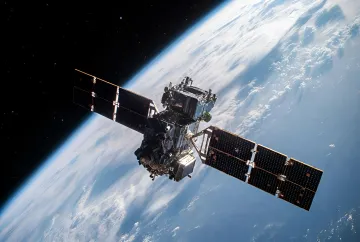
Seattle-based space startup Starfish Space has reported the loss of its Otter 24C satellite just one month after its deployment into low Earth orbit. The spacecraft suffered a critical technical failure during the pre-operational phase, and the company's engineers have deemed it beyond recovery. The incident is a blow not only to the startup but also to NASA, as the Otter 24C was fulfilling a key research task as part of the SSPICY mission, aimed at testing technologies for servicing, repairing, refueling, and deorbiting space debris and defunct satellites.
Launch and mission objectives
The 335-kilogram satellite was launched on October 1st aboard a SpaceX rocket as part of the Transporter-18 rideshare mission. Over its planned two-year mission, the Otter 24C was scheduled to approach four non-operational American space objects and conduct detailed visual surveys of them. These data were essential for refining inspection techniques and preparing for future orbital servicing and cleanup operations. However, according to the company, the spacecraft never commenced its primary mission objectives.
Malfunction and communication loss
The issues arose during the preparation phase: Starfish Space specialists suddenly lost contact with the satellite and ceased receiving telemetry and other status data. A joint investigation involving NASA and the platform manufacturer, Astro Digital, identified the source of the failure. Following the review, the spacecraft was declared unrecoverable, effectively ending the SSPICY mission for this specific vehicle.
Conclusions and program continuity
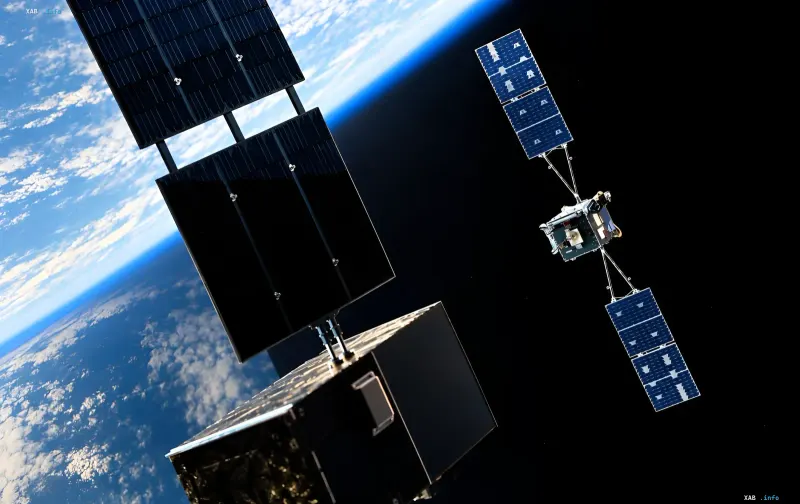
Despite the loss of the vehicle, the developers state that the experience gained will help eliminate such risks in future versions of the Otter platform. In parallel, the company is continuing another project in low Earth orbit with the Otter Pup 2 prototype, which was launched in June 2025. Last week, this vehicle moved within 25 meters of the private ElaraSat satellite owned by Gilmour Space.
Currently, Otter Pup 2 is preparing for the final phase of its mission—an attempt at a historic docking between two private spacecraft in low Earth orbit. Previously, such operations have only been performed at significantly higher geostationary altitudes, making the success of the experiment a vital milestone for the entire commercial orbital servicing industry.