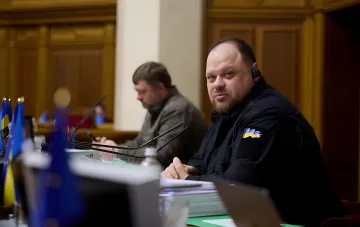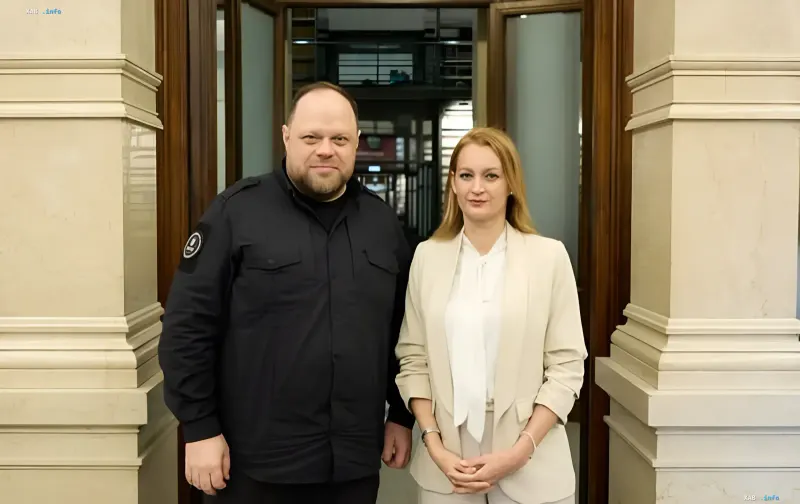
Chairman of the Verkhovna Rada Ruslan Stefanchuk and Speaker of the National Assembly of Hungary Ágnes Forsthofer held their first-ever meeting in Rome, which, according to the Ukrainian speaker, marked the beginning of a "new chapter" in relations between the two parliaments. Stefanchuk announced this on his Facebook page, which was republished by RBC-Ukraine. The meeting took place in the format of bilateral negotiations, during which the politicians discussed a wide range of issues—from the shared history of the two peoples to specific mechanisms of inter-parliamentary cooperation.
Shared History and European Future
A central element of the conversation was the discussion of the historical context of Ukrainian-Hungarian relations, including tragic pages associated with violence from Moscow, which, according to Stefanchuk, affected both nations. The Ukrainian speaker congratulated Forsthofer on her election as parliament speaker and emphasized the importance of a shared European future for Kyiv and Budapest. According to him, this shared vision formed the basis for an agreement to develop cooperation based on the principles of mutual respect and good neighborliness.
Support for Ukraine and Humanitarian Aid
A separate block of negotiations was dedicated to the consequences of Russian aggression and the work of the Ukrainian parliament under wartime conditions. Stefanchuk told his Hungarian colleague about the current challenges facing Ukraine's legislature and thanked her for confirming continued support for Kyiv, particularly in the areas of humanitarian aid and advancing Ukraine's integration into the European Union. Ágnes Forsthofer, in turn, confirmed Hungary's readiness to continue assisting Ukrainians and supporting their European path.
Concrete Steps: Visits and Inter-Parliamentary Dialogue
The practical part of the meeting included discussing specific measures to revitalize the inter-parliamentary dialogue between the Verkhovna Rada and the Hungarian National Assembly. The parties exchanged invitations to visit each other's capitals on official visits, which, according to the participants, should become an instrument for regular exchange of experience and coordination of positions on key issues of European policy.
Context: Hungary opens new EU accession negotiation clusters for Ukraine
The meeting in Rome took place against the backdrop of significant events in Ukraine's European integration process. In October 2026, Hungary gave the "green light" to EU accession negotiations with Ukraine in two additional important clusters. Just a few days later, it became known that Ukraine had officially opened negotiation chapters on the clusters "Internal Market and Competitiveness" and "Inclusive Growth," significantly expanding the opportunities for adapting Ukrainian legislation and the economy to European standards. Thus, the parliamentary meeting in Rome fits into the broader context of deepening bilateral relations and Kyiv's practical progress toward EU membership.