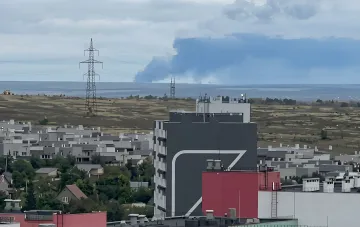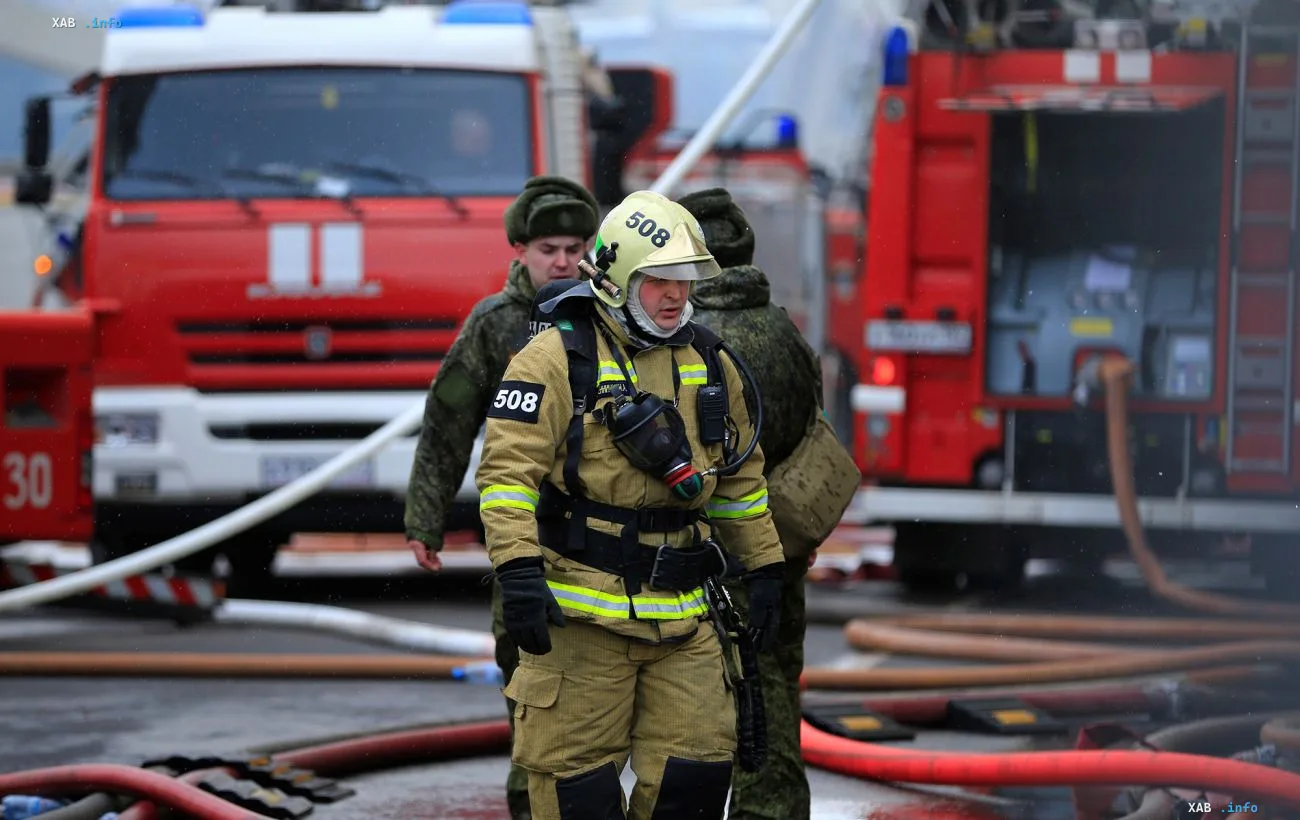
On the night of September 20, units of the Ukrainian Armed Forces struck the Gazprom Neft Moscow Refinery (Moscow Oil Refinery), located in the Kapotnya district. According to the General Staff of the Armed Forces of Ukraine, the hit triggered a large-scale fire on the plant's territory, with strikes landing on three production facilities. Ukrainian command stated that the attack was directed directly at the refinery's production capacity, rather than at auxiliary or warehouse structures.
How the attack was carried out
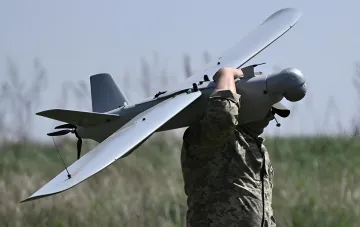
The Security Service of Ukraine announced that the strike on the Moscow Refinery was carried out jointly with the Unmanned Systems Forces, the Special Operations Forces, the Main Directorate of Intelligence, and other components of the Armed Forces. According to the SBU, long-range drones of the "Alpha" Special Operations Center penetrated the layered air defense system and flew more than 500 km to the target. It is noted that the plant is located approximately 15 km from the Kremlin, making it one of the largest oil refining industry facilities closest to the capital's center.
Scale of the night attack and other targets
The strike on the refinery was part of a broader night operation. In the Russian capital it has already been called the largest of its kind: according to Mayor Sergey Sobyanin, 450 drones were heading toward Moscow. A series of explosions and the passage of drone groups in several directions were recorded in the Moscow suburbs. In particular, warehouse facilities caught fire in the settlement of Sofyino: the company Fire Point stated that FP-1 strike drones destroyed a warehouse complex that, according to preliminary data, belonged to the company "Modern Warehouse Technologies" (Sovremennye Skladskie Tekhnologii).
The plant's significance for the Russian economy and military
The Gazprom Neft Moscow Refinery is one of Russia's largest oil refineries. The plant is capable of processing around 12 million tonnes of crude oil per year and producing automotive gasoline, diesel and aviation fuel, bitumen, and other petroleum products. The General Staff of the Armed Forces of Ukraine emphasized that the plant is involved in supplying the needs of the Russian armed forces, which explains its selection as a target.
Contradictory data
Upon verification of sources, a discrepancy in wording was found: the URLs and headlines of several publications covering the night strikes on oil refining facilities mention other refineries — in particular, the Ryazan and Yaroslavl plants. This may indicate either a series of simultaneous strikes on several refineries on the night of September 20, or an inaccuracy in the titling of the materials. The main news about the strike on the Moscow Refinery in Kapotnya specifically is confirmed by RBC-Ukraine's reports citing the General Staff of the Armed Forces of Ukraine and SBU data, as well as video footage of the fire at the plant. The Russian side publicly acknowledged the scale of the attack (450 drones, according to Sobyanin), however, in the provided materials there is no direct acknowledgment by official Russian sources of the strike on the Moscow Refinery specifically.