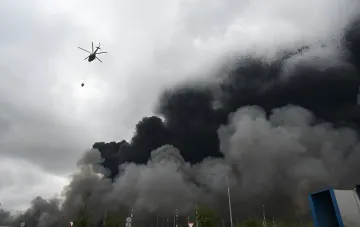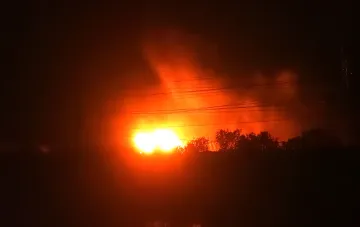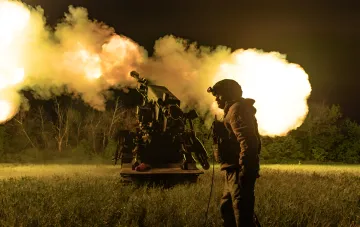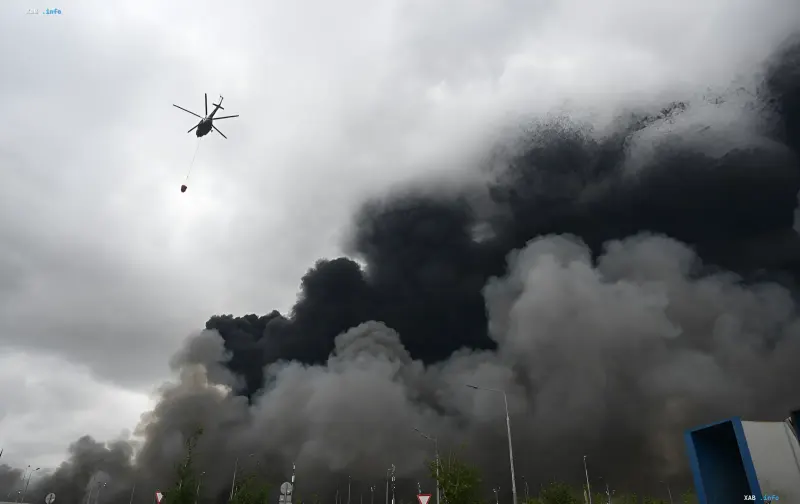
In the early hours of Monday, November 16, units of the Ukrainian Defense Forces launched a strike on the Ilsky Oil Refinery in Russia's Krasnodar Krai. This was reported by the General Staff of the Armed Forces of Ukraine, with details of the operation provided by RBC-Ukraine. Footage from the scene shows thick plumes of black smoke and a helicopter dropping water on the fire, which is consistent with an incident at a major industrial facility.
What Exactly Was Hit
According to the General Staff, the strike targeted three atmospheric crude distillation units—AVT-4, AVT-5, and AVT-6—as well as an automobile gasoline production complex. Thus, both primary processing units and the finished fuel production line were damaged. The agency emphasized that the extent of the damage inflicted on the enterprise is being clarified at the time of publication.
Why the Ilsky Refinery is Considered Key
The Ilsky Oil Refinery is one of the largest oil refining enterprises in southern Russia. Its capacity allows it to process about 6.6 million tons of oil per year. As noted by the General Staff, the plant's products are used, in particular, to supply the needs of the Russian Armed Forces. The geographical location of the enterprise in the south of the country is important for supplying Russian military groupings: fuel can be delivered from there via the shortest routes, including to the frontline and occupied Crimea.
Military and Economic Impact of the Strike
Disabling the primary processing units and the gasoline complex, according to the Ukrainian side, can reduce the volume of fuel available for Russian military equipment and affect revenues from oil refining. The General Staff's statement puts it directly: less fuel for the machinery fighting against Ukraine and fewer oil revenues in the Russian budget.
Context: A Series of Strikes on Refining Infrastructure
The strike on the Ilsky refinery is part of a broader series of attacks on fuel infrastructure. On the same day, November 16, Ukrainian drones attacked the Russian town of Azov in Rostov Oblast: a fire broke out at an oil depot following the strike, and regional governor Yuri Slyusar reported fires at four production facilities. Later, the Defense Forces announced the hit of two oil depots in Azov—Tranzit-Express and Azovskaya—which, according to their data, were used to supply petroleum products, including to the temporarily occupied territories of Ukraine.