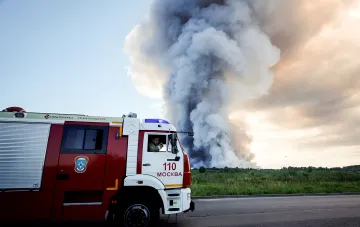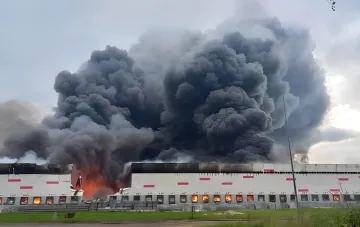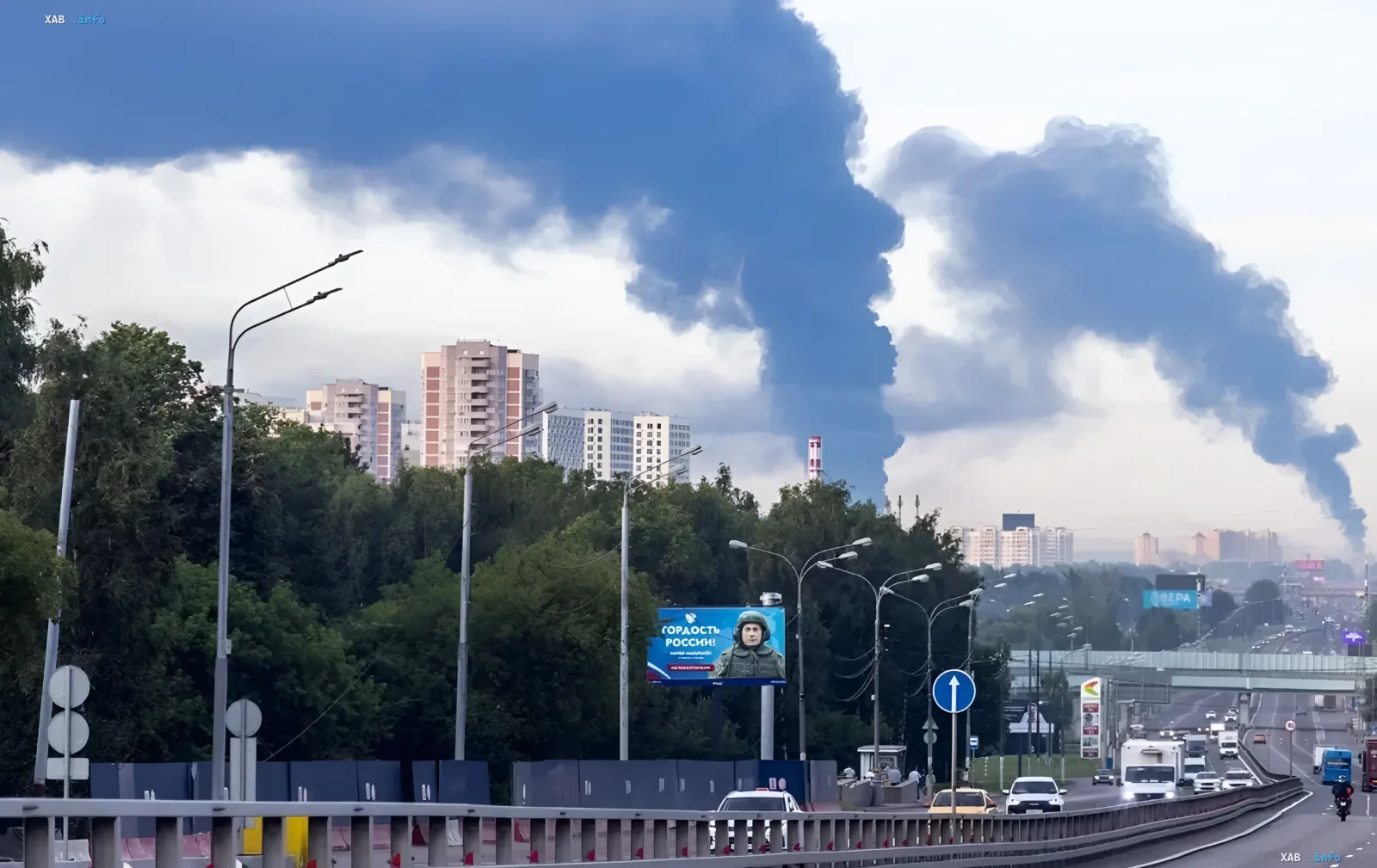
The Russian retail ecosystem is facing an unprecedented crisis. The disabling of the warehouse hubs of the largest marketplace, Wildberries (WB), and the subsequent cancellation of compensation for sellers have dealt a crushing blow to small businesses. The situation is exacerbated by the lack of war insurance for entrepreneurs, making them vulnerable in the face of actual combat operations on Russian territory.
Scale of Financial Losses
According to data published by RBK-Ukraine, the economic damage from attacks on the marketplace's infrastructure is measured in billions. Financial analyst Andriy Shevchyshyn estimates direct losses for sellers (sellers) to be in the range of $1 to $1.3 billion. The total damage inflicted on the Wildberries ecosystem could reach $2 billion.
These figures reflect not just the losses of one company, but a systemic failure in logistics and trade turnover that paralyzes the work of thousands of small and medium-sized enterprises dependent on the platform.
Force Majeure Instead of Responsibility
A key factor exacerbating the business situation is the legal position of the marketplace itself. Wildberries preemptively changed the terms of its offer, officially classifying losses of goods due to hostilities as force majeure circumstances.
This decision completely exempts the platform from financial responsibility for damaged or destroyed property. As a result, the risk of goods being lost is fully shifted onto the shoulders of entrepreneurs, who have no way to insure them against war risks.
Who Owns the Warehouses and Who Bears the Damage?
It is important to understand the ownership structure of the destroyed infrastructure. As Andriy Shevchyshyn notes, Wildberries has created a closed loop combining the marketplace, fulfillment, logistics, pickup points, and even a bank. However, the warehouse facilities themselves, which become targets for strikes, most often belong not to the marketplace itself, but to third-party structures.
The owners of the destroyed objects are developers, banking structures, and closed joint-stock investment funds (ZPIF). Among the beneficiaries of these funds are non-state pension funds (NPFs), making strikes on warehouses a blow to citizens' pension savings.
According to sources, the largest players in the warehouse real estate market affected by the attacks are:
- Management company "Modern Real Estate Funds" (formerly "Sber Real Estate Funds") with assets worth about $8.1 billion.
- Parus Asset Management, whose assets are estimated at approximately $2.6 billion.
Systemic Risks for the Banking Sector
Since insurance companies in Russia are massively refusing to compensate for losses caused by unmanned aerial vehicle (UAV) strikes, the direct destruction of property triggers a chain reaction.
This leads to the devaluation of investment shares and a sharp rise in non-performing loans across the entire Russian banking system. Thus, local strikes on logistics centers transform into a macroeconomic problem affecting the country's financial stability.