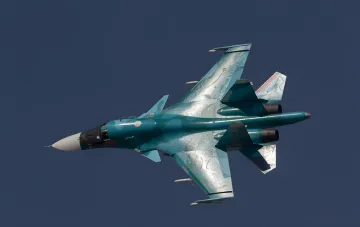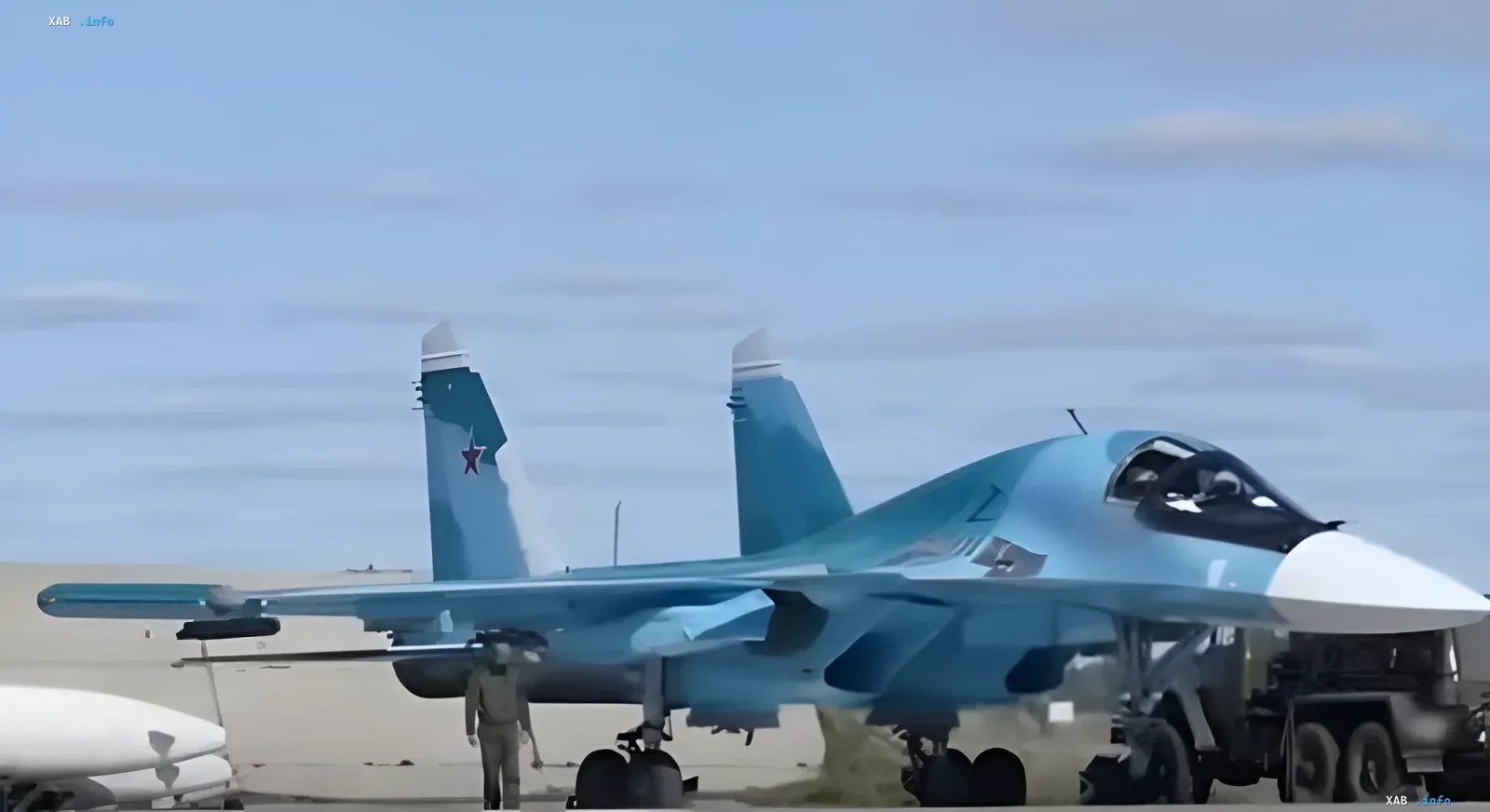
A debate is unfolding around the production statistics of the Russian Su-34 frontline bombers. Data released by Russian sources contradicts the assessments of Western military analysts. The discrepancy in figures is so significant that experts are forced to revise their forecasts regarding the capabilities of the Russian defense industry.
Gap in assessments: from 34 to 60 aircraft
According to information published by the Russian outlet "CAST" and republished by the Defense Express portal, the rate of Su-34 deliveries to the Russian Aerospace Forces (VKS) has sharply accelerated. In 2024, according to these data, the army could have received six aircraft, and in 2025, a total of 18 machines are expected. Thus, over two years, the fleet would have been replenished by 34 units.
In total, according to the source, 212 aircraft of this type have been produced, including seven pre-series samples. However, Western experts note that such figures raise serious doubts, as they significantly exceed any previous estimates.
For comparison, analysts from the prestigious British institute RUSI, in their study of the state of Russian aviation, provide more pessimistic data. According to their calculations, between 2020 and 2025, the Russian VKS received between 58 and 60 Su-34 aircraft. This means that the average delivery rate was a maximum of 10–12 machines per year.
Alternative scenarios
Based on the contradictory statistics, analysts propose two versions of what is happening:
- Real growth in capacity: The production rates of the Su-34 at Russian defense industry plants have indeed risen to a level that Western intelligence services previously underestimated.
- Information campaign: Russian sources are intentionally inflating the number of aircraft received to create an impression among opponents of more extensive capabilities of Russian aviation.
Balance of losses and deliveries
The situation is complicated by data on losses. The Polish publication Defence24, analyzing the situation as of the end of December 2024, reports that Russia could have received 24 new combat aircraft over the year, but at the same time lost at least 23 machines. This calls into question the real dynamics of fleet growth, even if high delivery figures are taken into account.
Previously, according to Polish analysts, the delivery rates looked as follows: 10 aircraft in 2022, six in 2023, and 10 again in 2024. These figures are closer to RUSI estimates and far from the currently claimed 18 machines per year.
Export and modernization
In addition to domestic consumption, the Su-34 is actively being promoted for export. Algeria became the first foreign customer for this aircraft. Russian sources have published footage of Su-34M fighters with Algerian Air Force markings, confirming the fact of transferring equipment to a foreign partner.
The Su-34 remains a unique specimen in its class, possessing the longest range of flight among combat aircraft. It is approximately 50% heavier than its predecessor, the Su-27, which allows it to carry a significantly larger reserve of fuel and armaments.
Parallel to the increase in Su-34 production, the Russian industry is working on new projects. The head of Rostec, Sergey Chemezov, previously reported to Vladimir Putin about doubling the production of combat aircraft since 2022. Furthermore, in 2025, the state corporation began flight tests of the upgraded Su-57 fighter ("Product 177"), which received a new engine from UEC to improve flight characteristics.