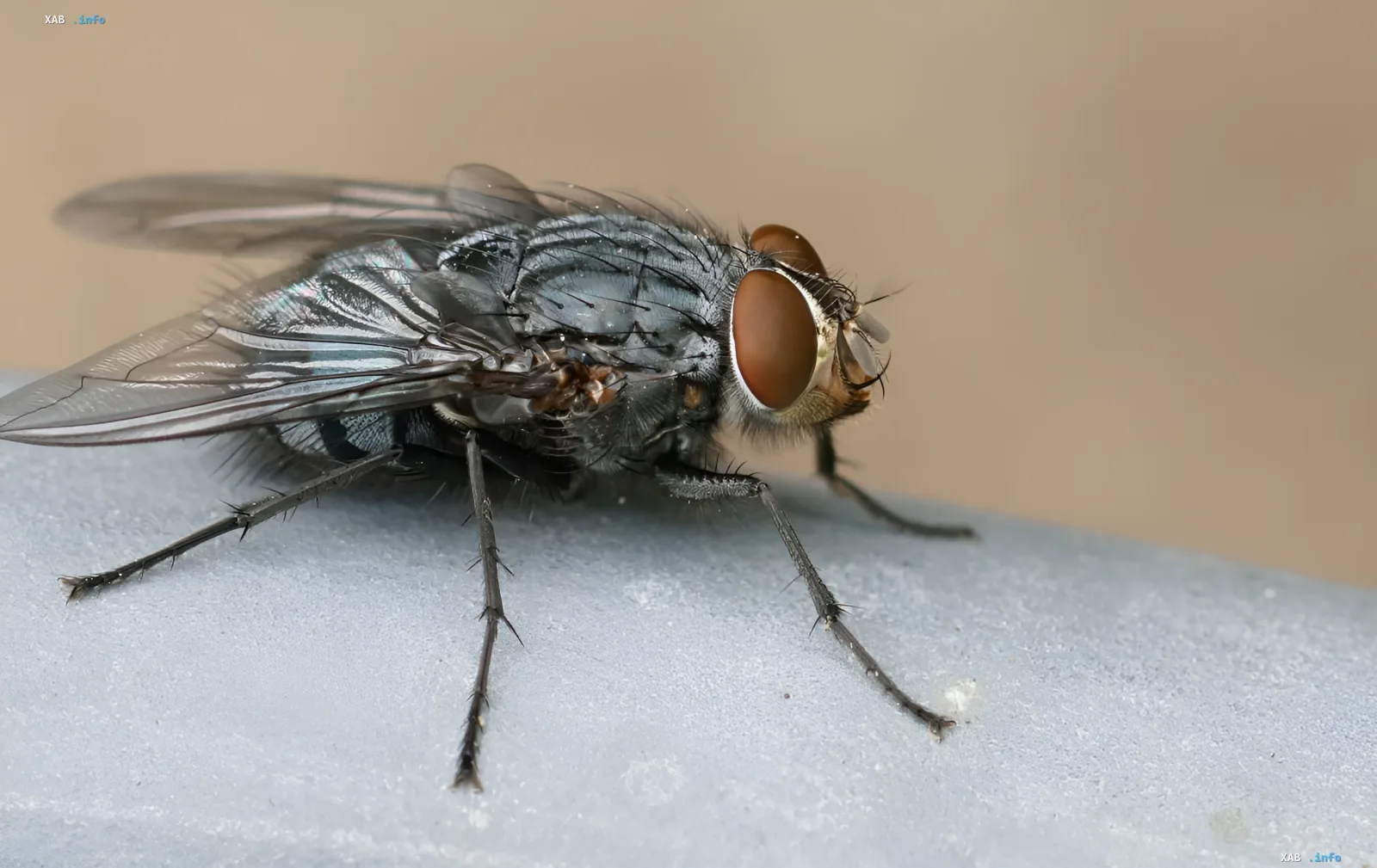
Summer 2026 has entered the annals of meteorologists and ecologists as a season of unprecedented insect invasion. As of August 12, residents of megacities and rural settlements around the world have faced the fact that the number of flies is breaking all records. The anomalous summer heat, which has become the new norm of climatic reality, has created ideal conditions for the accelerated reproduction of synanthropic species (insects living near humans). While traditional pest control methods are losing effectiveness, experts are proposing unexpected solutions that can be found in every kitchen.
Biological Threat: Why Flies Are More Dangerous Than They Seem
Flies cause the most damage in domestic conditions, especially in the kitchen. In Australia, they are not without reason called "dirty" — this is not just a metaphor, but a biological fact. When landing on food, the insect instantly secretes toxic saliva rich in bacteria and leaves excrement. According to epidemiologists, just a few seconds after contact between a fly and food, the product can be contaminated with salmonella, E. coli, and other dangerous microbes. Under the conditions of the hot summer of 2026, the risk of bacterial infections increases manifold, as high temperatures contribute to the rapid reproduction of pathogens on the surface of products.
Why a Fly Swatter Is a Strategic Failure
Many are accustomed to grabbing a fly swatter or a rolled-up magazine when an unwanted guest appears, but specialists warn: this is a bad idea. While you are looking for something to hit the insect with, it has already had time to transfer microbes to kitchen surfaces, door handles, and food. Physically destroying one individual does not solve the problem if the source of their appearance is not eliminated and an environment that repels the rest is not created. The fight must be preventive, not reactive.
The Coffee Method: Science Against Insects
To solve the problem at its very source, you do not need expensive chemical agents that can be dangerous to health. Biologists claim that flies cannot stand the strong smell of coffee, which disorients their receptors. They also instinctively avoid smoke. The combination of these two factors gives a stunning result. This safe smoke will repel flies for three hours, even if you have your windows and doors completely open. The method is based on the use of roasted coffee beans or grounds, which, when heated, release aromatic compounds that block the olfactory receptors of insects.
Alternative Natural Remedies
If the coffee method does not suit you, try other natural scents that are also effective in fighting flies. Lavender, mint, eucalyptus, and citrus have a similar repellent effect. These plants and their essential oils can be used in the form of aromatic candles, diffusers, or simply spread branches around the perimeter of the room. It is important to remember that the effectiveness of natural remedies depends on the concentration of the smell and the regularity of updating the aroma sources.