August 10, 2026 — the peak of the summer season, when air temperatures regularly exceed +30°C. Under such conditions, people sweat more, change clothes more often, and consequently, use washing machines more intensively. However, it is precisely during this period that many make critical mistakes that lead to rapid fabric wear, color fading, and loss of shape in favorite items. Experts from Styler, citing Onet, have highlighted six of the most common mistakes that cause irreparable damage to wardrobes.
Washing Without Necessity: The Main Enemy of Fibers
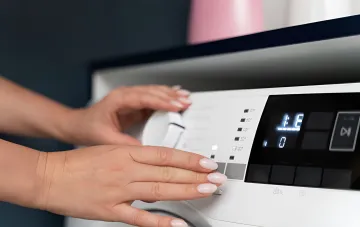
One of the most frequent mistakes is washing clothes that were worn for only a few hours and have no visible stains. Many put such items in the drum for a long cycle, believing it is necessary for "freshness." In reality, these unjustified washes are the main cause of rapid fiber wear and loss of color brightness. If an item has simply lost its freshness, specialists recommend using steam treatment functions available in modern washing machines. Short steam programs help eliminate unpleasant odors and smooth out wrinkles in less than 30 minutes, without exposing the fabric to the aggressive effects of water and detergents.
Drying Under Direct Sunlight
In summer, many hang wet clothes on a balcony or in the garden under the scorching sun so they dry faster. This seems like a logical solution, but ultraviolet rays are one of the biggest enemies of intense colors. Black clothes fade quickly, dark shades lose their depth, and pastels look washed out and dull. Experts strongly recommend drying clothes in the shade or at least turning them inside out before drying in the sun. This simple action will help preserve the color and texture of the fabric significantly longer.
Excess Detergent: The Myth of "Better Cleanliness"
A common myth states that more powder or capsules mean a better result. In practice, excess chemicals are not fully rinsed out and leave a residue on fabrics, making them stiff and less pleasant to the touch. Moreover, detergent residues can cause skin irritation, especially in hot weather when the body is more sensitive. Detergents should be dosed strictly according to the manufacturer's instructions, taking into account water hardness and the degree of soil. This will not only extend the life of the clothes but also ensure comfort when wearing them.
Mixing Different Fabrics in One Load
Summer wardrobes mainly consist of linen, viscose, and fine cotton. Each of these fabrics has its own care requirements, so washing them together in one mode is highly undesirable. Linen requires more gentle handling, viscose can deform at high temperatures, and cotton may shrink. Separating fabrics by type and washing temperature is a key step in maintaining clothing quality. It is also important to remember that the temperature indicated on the label is usually the maximum permissible. Washing delicate fabrics at 30 degrees instead of 40 helps preserve the color, shape, and structure of the material much longer.
Delayed Washing of Sweaty Clothes
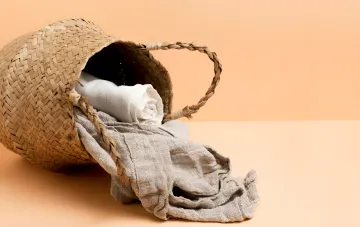
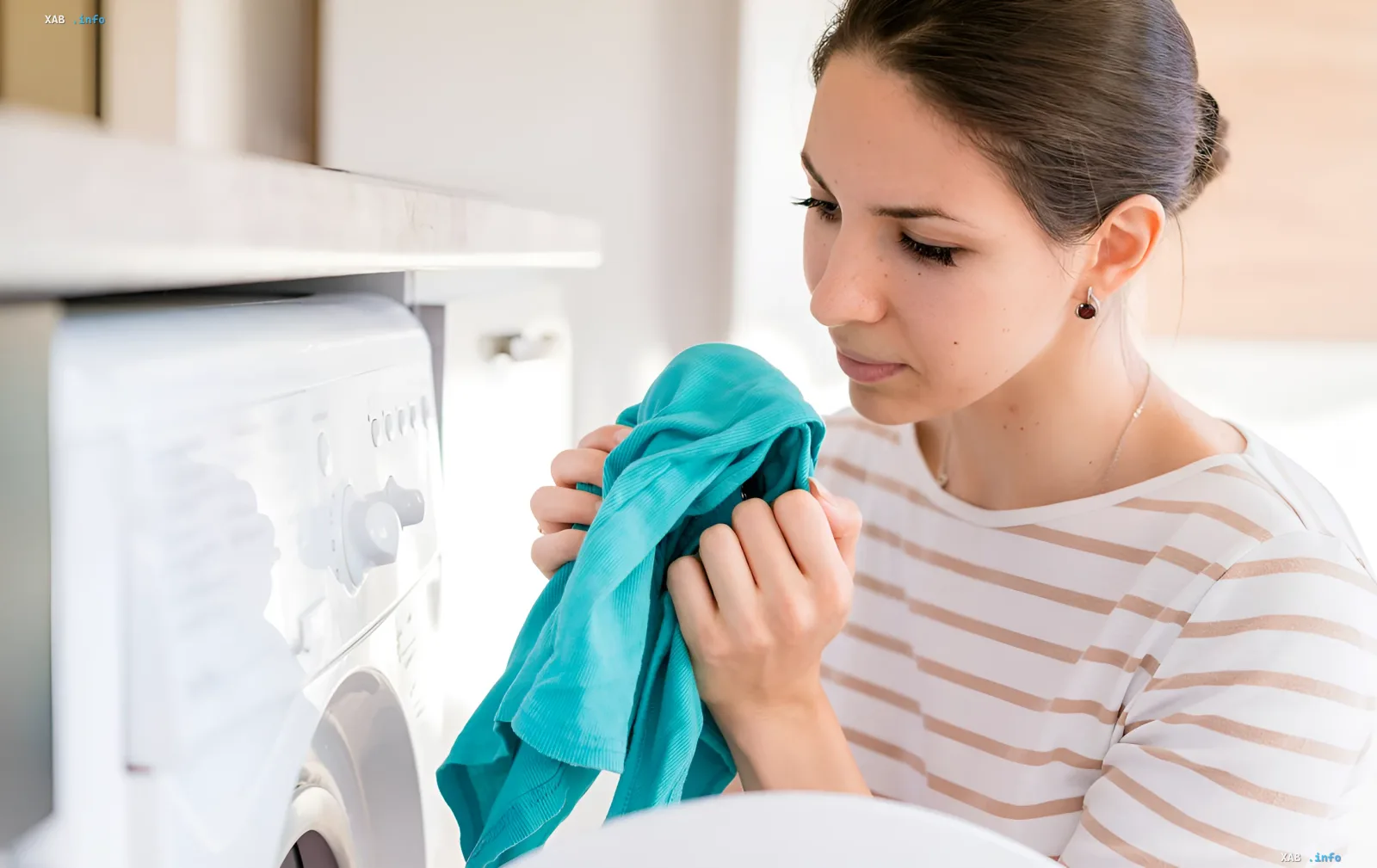
Folding sweaty clothes after a long day and leaving them in the basket for several days is an extremely bad habit. High temperatures and humidity contribute to bacteria multiplying faster, while stains and unpleasant odors penetrate deep into the fibers. Such clothes should be washed or refreshed as soon as possible to avoid irreversible consequences. Even if there is no opportunity to wash the item immediately, it can be treated with steam or a refresher to prevent bacterial growth.
Contradictory Data
There are some discrepancies in washing temperature recommendations across different sources. For example, Styler advises washing delicate fabrics at 30 degrees instead of 40, while some detergent manufacturers recommend higher temperatures for better stain removal. There are also disagreements regarding the use of steam: some experts consider it sufficient for refreshing clothes, while others insist on a full wash even in the absence of stains. These contradictions are related to differences in washing machine technologies, detergent compositions, and fabric types. Therefore, it is important to follow the recommendations of the clothing and detergent manufacturers, as well as consider the individual characteristics of your items.
Conclusion: Gentle Care for Your Wardrobe
Summer is the time when clothes are subjected to the greatest stress due to heat, sweat, and frequent washing. However, following simple care rules can significantly extend the life of your items. Avoid unnecessary washes, dry in the shade, dose detergents correctly, separate fabrics, and do not delay washing sweaty clothes. These measures will not only preserve the appearance of your wardrobe but also save time and money in the long run. Remember that proper washing is not just hygiene, but an investment in the quality of your life.