Ecological Defense: Helsinki's New Strategy
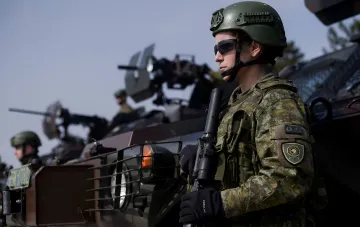
Amidst growing geopolitical tensions on the border with Russia, Finland is implementing a unique strategy that combines ecological and defense objectives. The country is actively working on restoring wetlands, a measure traditionally viewed as a step to combat climate change. However, according to data published in a Le Monde article and summarized by RBK-Ukraine, these marshy areas also serve a strictly military function: they act as a natural obstacle to the advancement of the enemy's heavy armored vehicles.
Approximately 180,000 hectares of wetlands have been identified in Finland, the restoration of which could bring double benefits: preserving biodiversity and strengthening defensive lines. Currently, only 60,000 hectares have been restored out of 4.7 million hectares of land previously drained for agriculture, logging, and energy needs. Experts note that the current scale of work is insufficient to create a full-fledged natural barrier along the 1,340-kilometer border with the Russian Federation.
"Tactical Restoration": Lessons from the War in Ukraine
The idea of turning swamps into a defensive line was first voiced in February 2024 by MP Pauli Aalto-Setälä. In his proposal for "tactical restoration," he relied on personal experience: returning from Ukraine, the MP met with servicemen who confirmed that, despite the active use of drones, ground battles are still being fought according to classic scenarios.
According to military personnel, swampy terrain poses a serious threat to tanks and infantry, significantly slowing their advance. This experience became a catalyst for revising approaches to land management in Finland. Other NATO countries bordering Russia, such as Poland and the Baltic states, have also begun studying the concept of "defensive wildlife restoration".
From Skepticism to Cooperation: The Position of the Military and Ecologists
Initially, the idea met with a restrained response from the military. The head of the Ministry of the Environment, Tyyri Haarainen, noted that while ecologists immediately saw the advantages of a combined approach, the army was more cautious. The situation changed with the possibility of attracting funding from European funds and private sources, which allowed the issue of budget expenditures to be resolved.
The Chief Engineer of the Finnish Army, Colonel Riku Mikkonen, is now optimistic. He emphasizes that using the environment for defense planning is a historical tradition in Finland. "Even if nature alone is not enough, we have always used the landscape to our advantage. Whether it is peat bogs or forests, natural obstacles limit the paths of attackers and force them to retreat to certain roads where we can conduct counter-offensive operations," the colonel stated.
Historical Memory and Modern Challenges
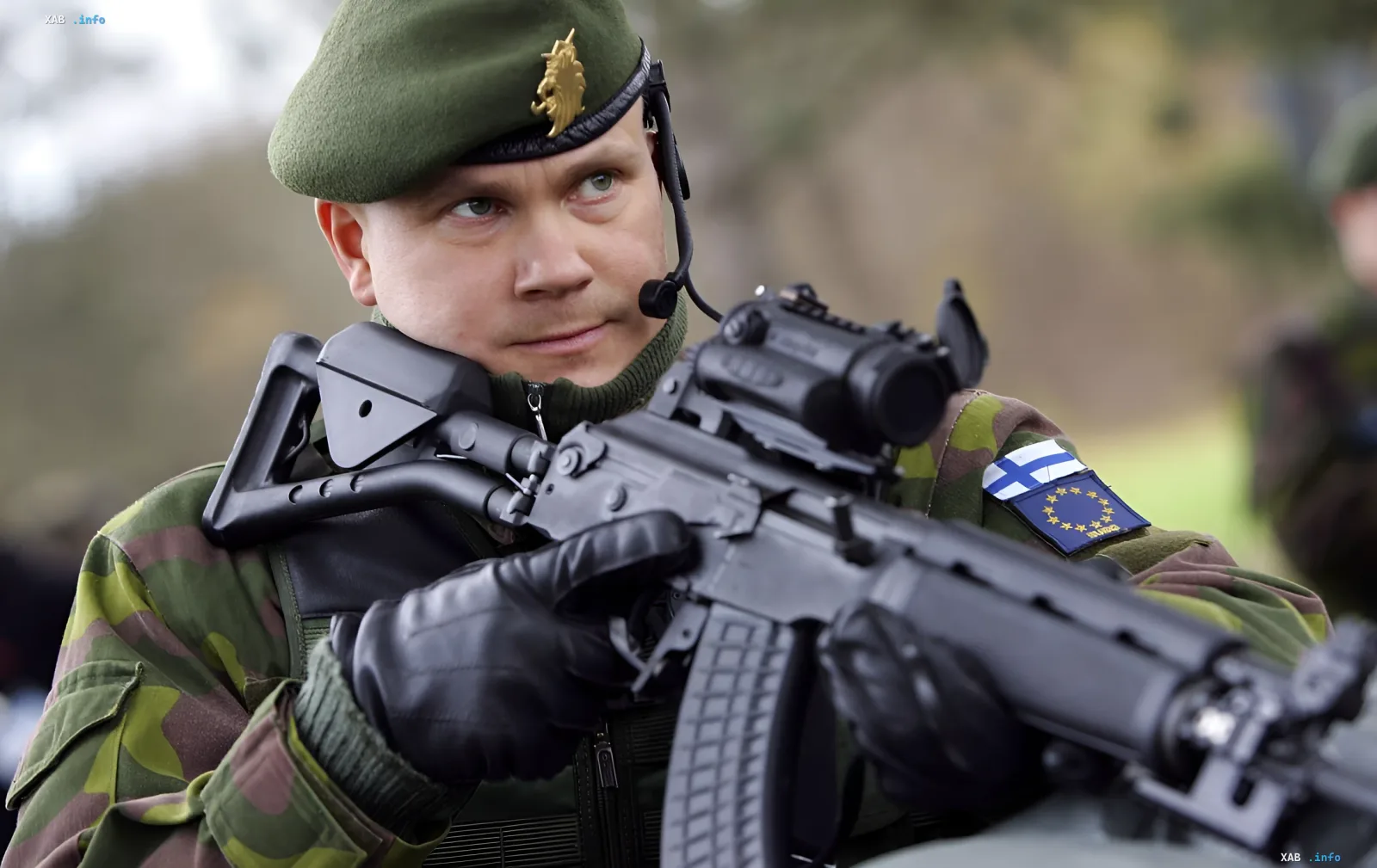
Finland has not forgotten the lessons of the "Winter War" of 1939–1940, when the poorly equipped Finnish army inflicted heavy losses on the Red Army by using the forests and swamps of Northern Karelia as natural traps. Today, after joining NATO, Helsinki continues to build up its defense potential, adapting historical experience to modern realities.
Alongside the restoration of swamps, Finland is taking other steps to strengthen security. The country's President signed amendments to the nuclear energy law, allowing the import, transit, and storage of nuclear weapons as part of integration into the alliance's defense system. Furthermore, Finland is considered a leader in the field of civil protection: the shelter system allows a significant portion of the population of Helsinki to take cover in the shortest possible time in the event of a military threat.