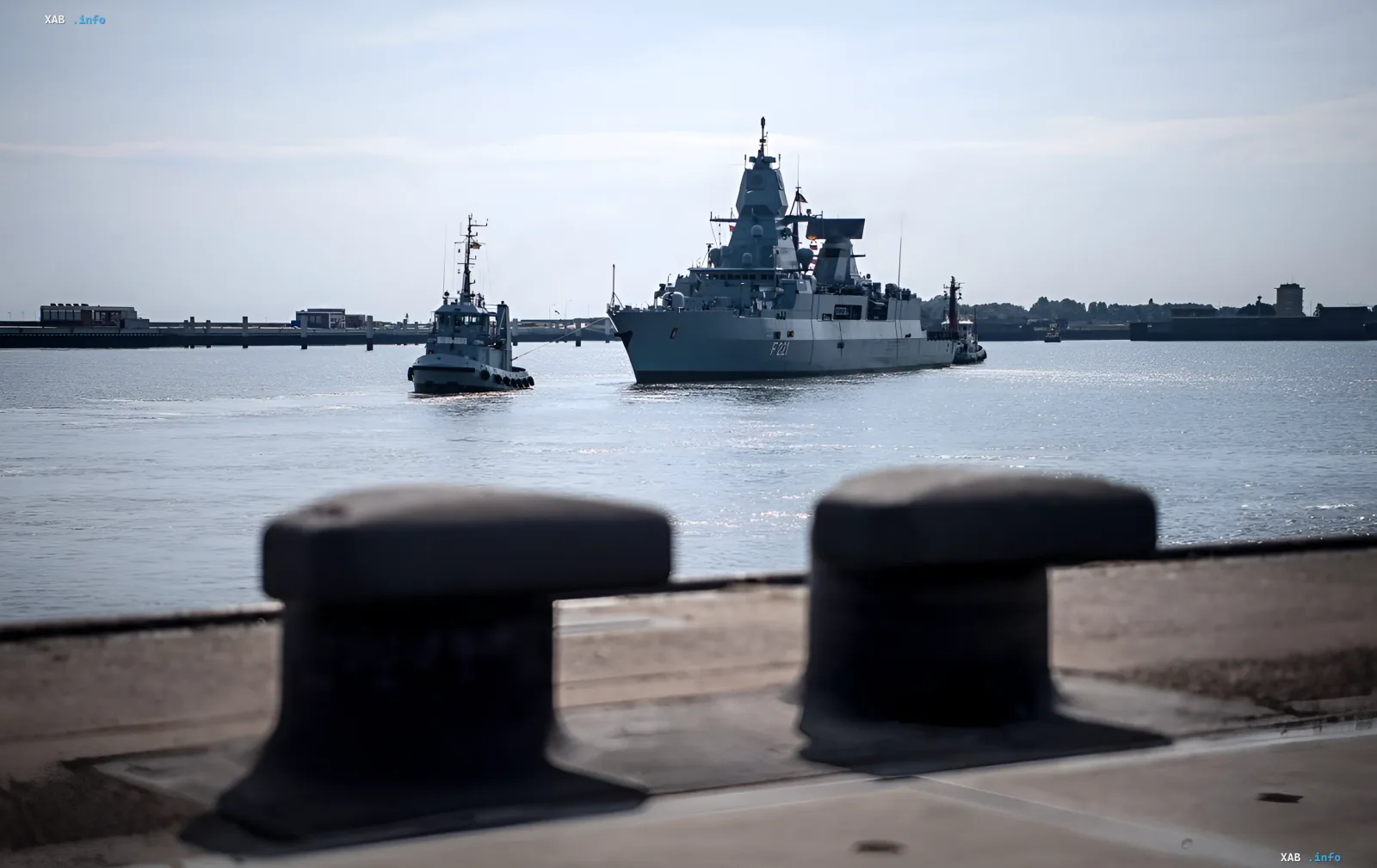
Sweden's Fortification Agency has filed an application for the compulsory acquisition (expropriation) of real estate located near the Muskö naval base. According to published data, the plot and the building on it belong to a person holding Russian citizenship. As grounds for the application, the agency cites a "serious security situation, a threat from Russian drones, and the property ownership situation." In this way, the Swedish military intends to obtain the right to use this property for the protection of its naval forces.
Reason: "National Security" and the Drone Threat
The decision is underpinned by a public statement from the Chief of the Swedish Defence Staff, Lieutenant General Carl-Johan Edström. In his words, "nothing is more important than the security of Sweden," and the country "is in the most serious security situation since the end of the Second World War," with the "threat to Sweden and the alliance being real." It is precisely this rhetoric that, in effect, legitimizes in the eyes of Swedish authorities the resort to the mechanism of compulsory purchase of private property in the coastal zone adjacent to a strategic naval facility.
What the Disputed Real Estate Entails
It is known that the plot owner holds Russian citizenship and, according to the Swedish side, poses a security threat to the Swedish Armed Forces. According to the outlet, this plot and house are the only obstacle preventing the military from creating an "effective defense" of the Muskö base, primarily against drones. Earlier, the newspaper Expressen reported that a person with Russian citizenship and ties to Russia had purchased a plot of land near Muskö; on this site, according to available information, a recreation house of about 600 square meters is currently under construction.
Context: The Seizure of the Vessel Caffa and the Sanctions Backdrop
The expropriation application was made against the backdrop of other episodes related to the Russian presence in the Baltic region. Earlier, Swedish law enforcement detained the cargo ship Caffa near the town of Trelleborg in the Baltic Sea. The Ukrainian side links this vessel to the illegal export of grain from occupied Crimea and other territories seized by Russia; the vessel was previously added to Ukraine's sanctions list. These events form the overall context of Stockholm's heightened vigilance toward Russian assets and individuals near military infrastructure.
Contradictory Data
There are a number of inconsistencies in the available sources that are important to take into account. First, the owner's profile is described differently: some materials call him a "Russian citizen" or a "Russian national," while others describe him as a "Russian businessman," and his exact identity and business profile are not disclosed in open sources. Second, the timing of the plot purchase and the start of the house construction is given imprecisely — the Expressen report refers only to "a few years ago," without reference to a specific date. Finally, no direct causal link between the detention of the vessel Caffa and the expropriation application for the plot is asserted in official statements: these episodes are presented as parallel elements of a general context, not as a single case. Until a final decision on the application is made, the actual status of the property and its fate remain uncertain.