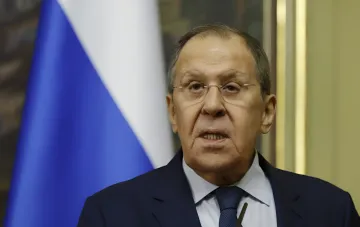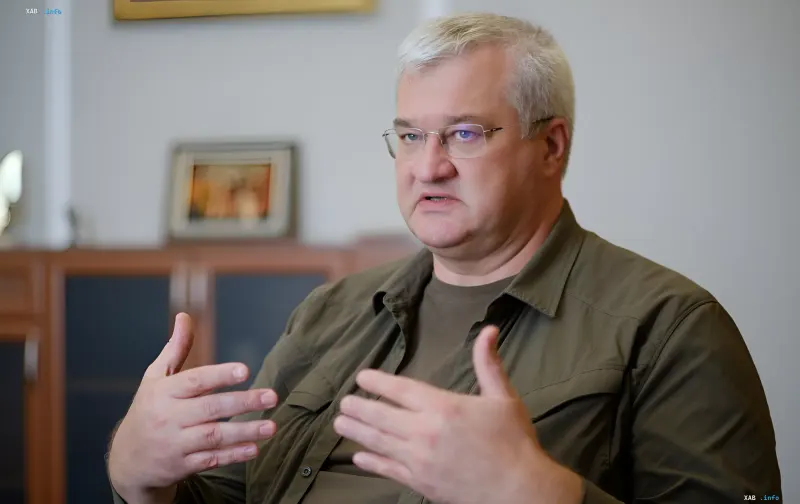
Ukrainian Foreign Minister Andrii Sybiha has strongly condemned Moscow's stance, accusing the Russian leadership of demonstrative disregard for peace initiatives. The trigger for the Ukrainian diplomat's sharp reaction was recent statements by Russian Foreign Minister Sergey Lavrov, who categorically ruled out any possibility of a ceasefire at the front. In a statement on the social media platform X, Sybiha stressed that the Kremlin's open rejection of dialogue indicates a dangerous surge in arrogance amid waning international pressure.
Kyiv's Reaction to Moscow's Position
The head of the Ukrainian foreign ministry emphasized that official Moscow openly rejects international calls for peace. Sybiha drew special attention to how the Russian side publicly ignores US President Donald Trump's proposals for resolving the conflict. According to the minister, such behavior demonstrates the complete destructiveness of Russian diplomacy and the lack of a genuine readiness to seek a political way out of the crisis.
Direct Link Between Pressure and Kremlin Rhetoric
The Ukrainian minister pointed to a direct correlation between the severity of sanctions and political pressure on the Kremlin regime and the degree of its aggressiveness. The diplomat noted that any displays of weakness or a decrease in diplomatic momentum only embolden the aggressor. "Russian killers have zero respect for calls for peace," Sybiha stated, adding that cutting back on external pressure inevitably leads to a proportional rise in arrogance and radicalized statements from Moscow.
Russian Side's Position and the Issue of Elections
In turn, Sergey Lavrov justified the rejection of a temporary truce by expressing fears that a pause in hostilities would be used by the Ukrainian Defense Forces to regroup and receive additional arms supplies from Western allies. Furthermore, the Russian foreign minister traditionally accused Kyiv of creating obstacles to holding electoral processes. In response, the Ukrainian leadership has repeatedly stated its readiness to hold presidential elections, but only on the condition that Vladimir Putin agrees to a full 60-day ceasefire regime, which the Kremlin currently refuses to do.
Significance of the Situation and Future Prospects
The escalation of rhetoric at the diplomatic level shows that the negotiation process is at a profound deadlock due to the Kremlin's rigid stance. Russia's rejection of a truce and its disregard for American peace initiatives force Kyiv and its Western partners to look for new leverage over the aggressor. Further developments will depend on the international community's ability to increase real pressure on the Russian leadership to force it into substantive dialogue on a ceasefire.