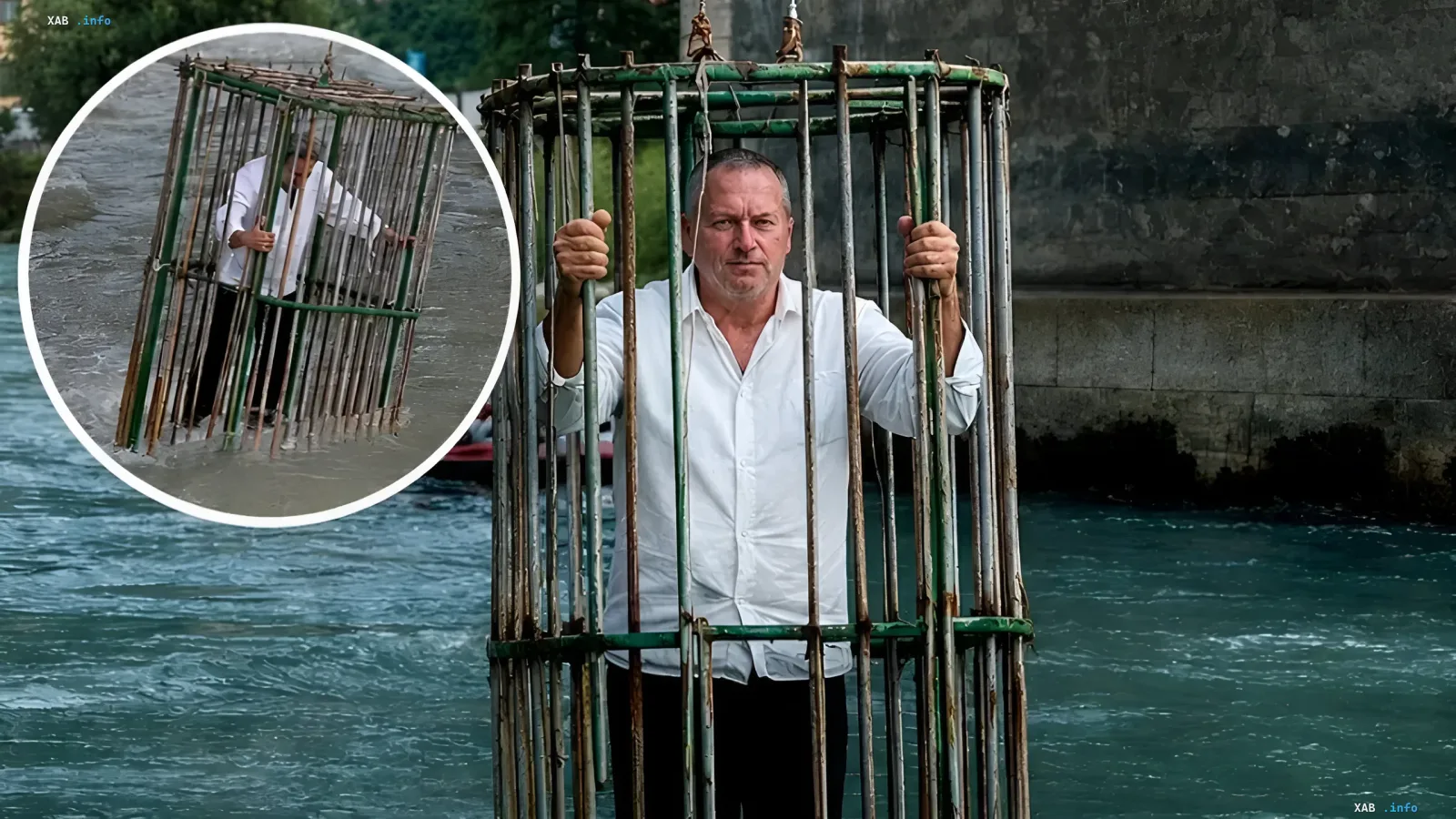
In the Italian city of Trento, located in the Trentino-Alto Adige region, a unique medieval tradition has survived to this day, remaining in 2026 a vivid symbol of civic activism and cultural heritage. As part of the annual "Feste Vigiliane" festival, traditionally held in June, citizens gather to conduct "La Tonca" — a ritual that combines elements of theater, satire, and historical reconstruction. This event, inspired by real punishment methods of the past, today serves as a peaceful way to express public dissatisfaction.
Symbolic Trial and the "Worst Decision of the Year"
The central element of the event is a theatrical trial that unfolds in the main city square. Local residents take on the roles of judge, prosecutor, and defense attorney, while the defendant becomes a politician or public figure whose actions caused the most resonance and criticism during the past year. The process takes place in a humorous yet strict form, where arguments from both sides are voiced loudly and substantiated. In the end, the "court" delivers a verdict: which public figure made the "worst decision of the year".
The History of "La Tonca": From Real Punishment to a Folk Festival
The tradition of "La Tonca" dates back to the 14th–17th centuries, when the region actually applied a punishment known as "tonca" (from Latin *tonca* — "to sink"). In those times, for serious crimes, including blasphemy, treason, or other grave offenses, the criminal was placed in an iron cage and lowered into the Adige River. This was not just a symbolic act, but a real execution intended to serve as a warning to others. Today, this practice has transformed into a safe and cheerful ritual, where the cage does not drown anyone but merely symbolizes public condemnation.
Criticism of Power Through the Lens of History
The modern version of "La Tonca" has become a powerful tool for civic criticism. Local residents note that the event allows them to openly and fearlessly express dissatisfaction with the actions of the authorities without resorting to radical methods. This is not just a joke, but a form of public control that strengthens trust between citizens and power institutions. As organizers note, "La Tonca" helps maintain a balance between respect for history and freedom of speech.
Contradictory Data
Although most sources confirm that "La Tonca" is an exclusively symbolic event, there are isolated opinions suggesting that in some cases the ritual may have been taken too seriously. For example, in 2024, one of the politicians who ended up in the cage stated that his actions were "insufficiently justified" and demanded a review of the verdict. However, festival organizers emphasized that this was merely part of the theatrical performance, and no real consequences followed for the defendant. Thus, while the main version is that of a peaceful ritual, isolated incidents show that the line between a joke and reality can sometimes be blurred.
Unity of Society Through Tradition
It is important to note that "La Tonca" not only criticizes but also unites. Local residents emphasize that participation in this event contributes to strengthening the sense of community and belonging to the city. This is not just a holiday, but a way to preserve historical memory and pass it on to future generations. In 2026, the "Feste Vigiliane" festival with "La Tonca" once again became one of the most anticipated events in Trento, attracting thousands of tourists and locals.