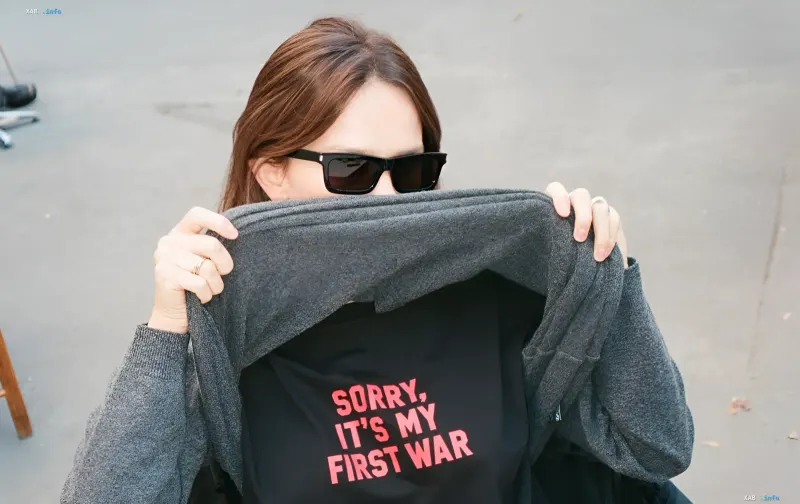
Kyiv-based streetwear brand Syndicate found itself at the center of a major social media scandal due to a new wardrobe item. The company presented a T-shirt featuring the ambiguous phrase "Sorry, It's My First War" during Ukrainian Fashion Week as part of its SS27 collection. The fashion show and subsequent display of the clothing in public spaces sparked a wave of intense discussion that quickly escalated into harsh criticism from a significant portion of internet users.
Background and Creators' Intention
Initially, the project's creators did not plan to launch the scandalous item for mass commercial sale. According to brand representatives, this clothing item was created exclusively as an artistic statement for the runway, reflecting the collective experience of living through full-scale warfare, society's psychological confusion, and elements of dark humor used by Ukrainians to survive. However, following the show, the team received numerous requests from people wishing to purchase this specific item, which prompted management to release it as a separate drop.
Public Reaction and Admission of Mistakes
The issue with the slogan's perception was that outside the narrow context of the runway show, the phrase sounded different, sparking accusations of attempting to profit from the war and devalue human suffering. The faces of the advertising campaign included well-known figures, notably Nati Gresko, co-founder of a popular YouTube show who joined the Armed Forces of Ukraine, and designer Iryna Vasylievska. Despite this, the wave of negativity online forced the brand to reconsider its plans. The team publicly admitted it failed to calculate the full range of possible interpretations, issued an official apology, and completely pulled the controversial product from sale.Contradictory Data
Fierce discussions unfolded in the Ukrainian internet segment regarding the situation with the limited-edition T-shirt. The first group of users and activists uncompromisedly accused the Syndicate brand of inappropriate monetization of the armed conflict, hyping on blood, and romanticizing the tragic realities of modern times. In their opinion, such commercial steps are unacceptable during active hostilities. At the same time, the second part of the audience and defenders of the brand took their side, calling the inscription a manifestation of honest self-irony, psychological defense, and a reflection of the surreal everyday experience of civilians and military personnel living in a state of permanent stress.
Expert Assessments and Consequences
This incident vividly demonstrated the extreme difficulty of balancing between contemporary art, the fashion industry, and a war-traumatized public consciousness. Communication experts note that the boundaries of permissible humor and reflection during an existential crisis remain extremely fragile. By responding as quickly as possible to public discontent and removing the collection from sale, the brand attempted to minimize reputational risks, but this case will long remain an example of how context can radically distort the original artistic intent.