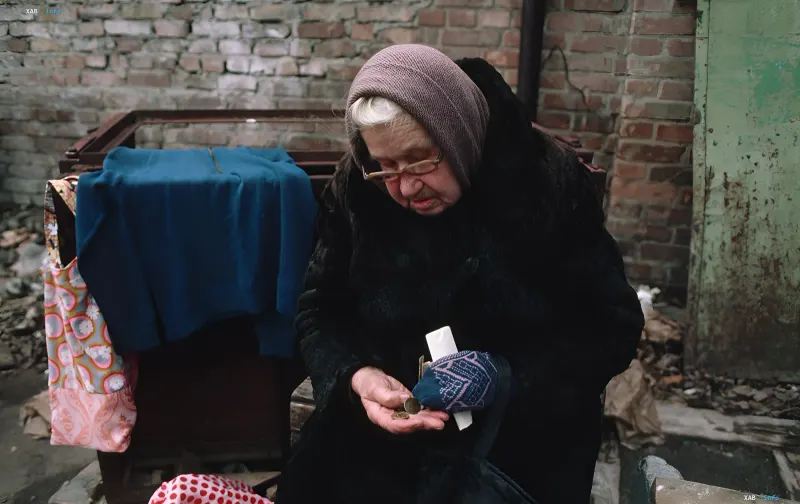
By October 1, 2026, the pension crisis in Ukraine has reached a critical point. Approximately 2.4 million citizens, representing nearly a quarter of all pensioners, are forced to survive on 3,000 to 4,000 hryvnia per month. In terms of daily spending, this amounts to about 115 hryvnia, placing a significant portion of the population below the threshold of a dignified existence in the current economic reality.
Demographic Collapse and the Failure of the Solidarity Model
The current solidarity system, where the working population funds pension payments, has hit a dead end. Demographic aging, the mass migration processes that began in 2022, and a high share of shadow employment have led to a deficit in the Pension Fund. The average pension in the country is 7,273 UAH per month, which annually is equivalent to approximately 1,710 euros. By comparison, in advanced European economies, this figure often exceeds 20,000–30,000 euros per year, creating a colossal gap in living standards.
European Experience vs. Ukrainian Reality
Analysis of Eurostat data and current 2026 trends shows that countries with high pension standards shifted long ago to a multi-tiered system. In states like the Netherlands or Denmark, a pension is not the sole source of income but is supplemented by private savings accounts and professional funds. In Ukraine, the state pension replaces only 20–25% of previous earnings, while the international standard for adequate provision, according to OECD calculations, assumes a replacement rate of 63% or higher.
The Necessity of Pension Reform
The main systemic problem in Ukraine lies in the absence of a developed second level of the funded system, which has not been fully implemented over the decades of independence. The Canadian experience, where a flexible Canada Pension Plan (CPP) mechanism linked to years of service and personal contributions is in effect, proves the effectiveness of income diversification. Without the implementation of long-term accumulation mechanisms and investment attraction, the current model cannot ensure a dignified retirement, even if the economy stabilizes.