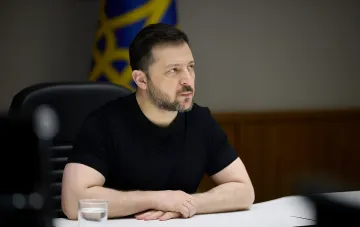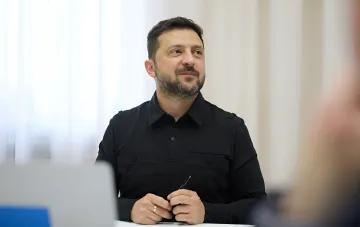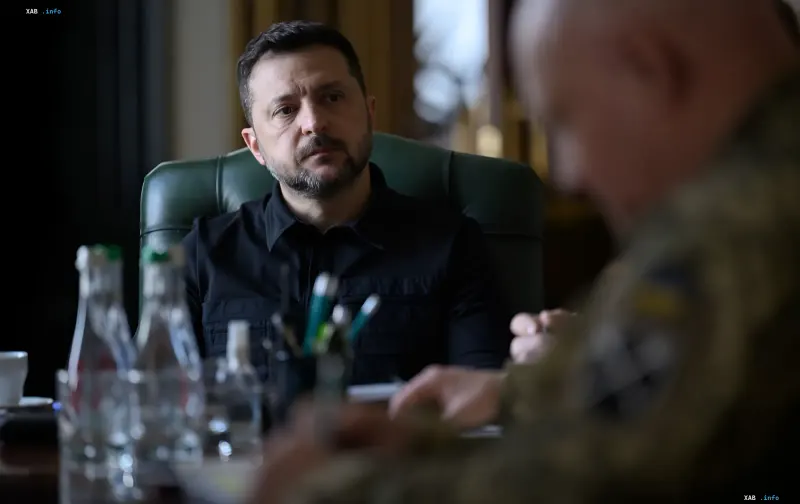
On July 30, a key strategic meeting took place in Kyiv, bringing together the country's top military leadership. The meeting was attended by the generals of the Armed Forces of Ukraine, representatives of the Ministry of Defense, and staff from the President's Office. The head of state, Volodymyr Zelenskyy, announced new decisions regarding the further development of military strategy.
Plan for Systemic Changes in the General Staff
According to information provided by RBC-Ukraine citing the President's statement on Telegram, the General Staff of the Armed Forces of Ukraine is preparing a series of large-scale transformations. Volodymyr Zelenskyy emphasized that the current tactics allow Ukrainian troops to hold their positions and effectively block the enemy's offensive plans.
In his message, the head of state noted that the army's actions are preventing the Russian command from achieving the goals set by the Russian political leadership. "They are really holding Ukraine's positions and preventing the occupier's army from achieving the goals set for it by the Russian political leadership," Zelenskyy summarized.
Strikes on Crimea and Updated Priorities
Alongside the discussion of internal reforms, the President informed about the continuation of active operations in the direction of Crimea. The Armed Forces of Ukraine are carrying out so-called "mid-strikes" — strikes against Russian occupiers on the peninsula. During the meeting, the list of priority targets for strikes was updated, indicating a review of tactical tasks.
Air Defense Problem After Mass Attack
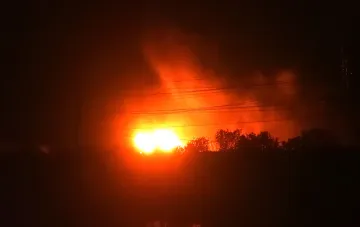
The meeting took place against the backdrop of a difficult operational situation. On the night of July 30, Russia launched a massive attack on Ukrainian territory, using more than 70 missiles and over 280 unmanned combat aerial vehicles.
Volodymyr Zelenskyy paid special attention to the critical shortage of missiles for air defense systems. The President emphasized that the current volume of supplies from Western partners does not allow for the complete protection of the country's airspace from such attacks, which requires further strengthening of diplomatic efforts to obtain weapons.