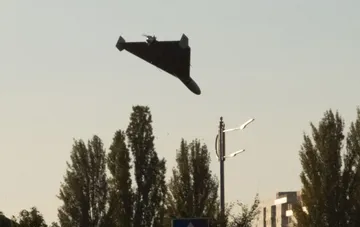
Amidst the ongoing conflict in Ukraine in 2026, the tactics of employing unmanned aerial vehicles (UAVs) continue to evolve, becoming increasingly sophisticated and difficult to detect. According to the latest data, the Russian side has begun to massively use a new modification of tactics involving so-called 'drone-waiters'. While previously these devices required visual contact with the target to attack, they are now capable of identifying transport solely through acoustic signals, radically changing road safety rules.
Operating Principle: Acoustic Fixation Instead of Visual
According to information provided by President of Ukraine's advisor on the development of technological defense directions, Serhiy Beskrestnov (callsign 'Flash'), the new threat lies in the change of drone behavior algorithms. Previously, 'waiters' — drones hovering in the air and waiting for a target to appear — required visual confirmation to launch a warhead. Now, according to reports, the enemy uses microphones to record the sound of passing traffic.
The drone is positioned outside the driver's line of sight, often in hard-to-reach places or behind obstacles, and waits. As soon as the microphone picks up the characteristic sound of an engine or tires, the attack mechanism triggers. This means that even if the driver does not see the drone and believes they are safe, the device can launch at any moment, reacting to noise. Such tactics allow for striking targets that were previously considered protected from visual detection.
Evolution of Threats: From 'Shaheds' to Acoustic Traps
Experts note that the use of acoustic drones is part of a broader strategy of enemy adaptation. Previously, Serhiy Beskrestnov reported on other changes in enemy tactics. In particular, jet drones of the 'Shahed' type are increasingly being used for strikes on the deep rear, which are distinguished by increased speed and maneuverability, complicating their interception by air defense systems.
The tactic of using imitator drones, known as 'Parody', was also recorded. These devices were launched to distract air defense assets and create false targets, allowing main strike groups to pass unnoticed. Now, with the introduction of acoustic 'waiters', the enemy is attempting to close gaps in protection that remained open during visual target search.
Contradictory Data
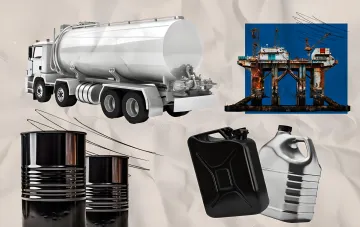
The question of the mass implementation of specifically acoustic algorithms is causing a discussion in the expert community. On the one hand, the Ukrainian side, relying on intelligence data and driver experience, confirms an increase in the number of attacks initiated without visual contact. On the other hand, Russian sources, such as the publication 'Topwar', sometimes interpret this data differently in their materials, claiming that the enemy (AFU) is complaining about the new tactic, while emphasizing that such drones attack civilian objects, such as trucks and milk tankers, which may indicate the use of this tactic to pressure logistics chains.
Furthermore, there are technical doubts regarding the accuracy of acoustic guidance in conditions of urban noise or in the presence of other sound sources. Some analysts believe that drones may use a combined method: sound serves as a trigger for activation, but final guidance still occurs via thermal or optical signal at the moment of attack. However, even if this is the case, the very fact of using sound as a primary trigger makes the threat more hidden and dangerous.
Recommendations and Safety Measures
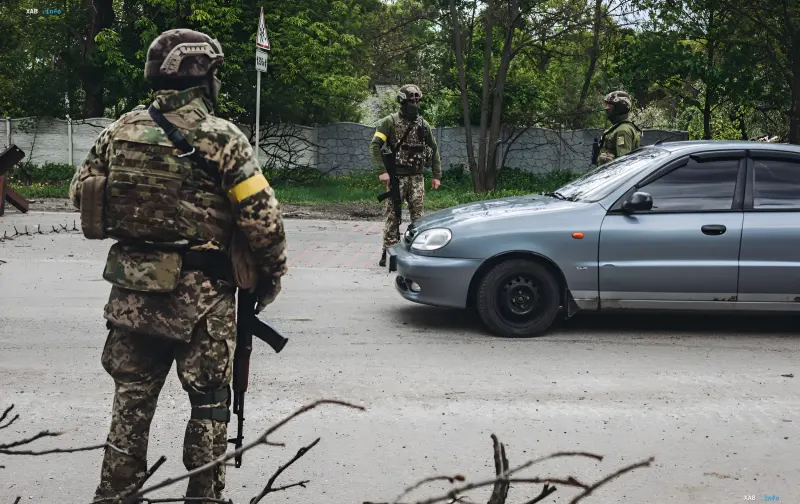
In connection with the change in enemy tactics, experts recommend that drivers and the population exercise increased vigilance. Since visual detection of a drone may be impossible, it is necessary to avoid moving along routes where attacks were previously recorded and to use sound masking means if possible. It is also recommended to follow updates from official sources and 'Flash', who regularly publishes warnings about new threats.
It is important to understand that the war in 2026 has become a war of technologies, where every new algorithm can cost lives. Adapting to new threats requires not only technical solutions but also a change in citizen behavior on the roads.