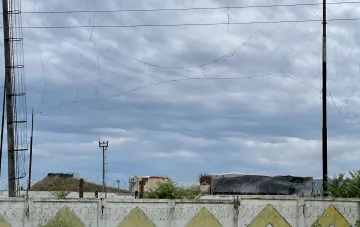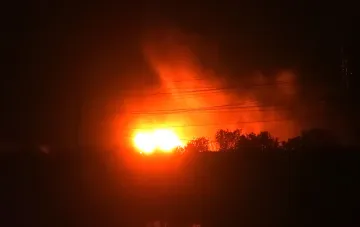

On the night of August 10, 2026, the Ukrainian Defense Forces carried out a large-scale operation targeting critical infrastructure and military logistics facilities of the adversary. The main target of the attack was the TANECO oil refinery in Nizhnekamsk, Republic of Tatarstan. According to the General Staff of the Armed Forces of Ukraine, a fire has been confirmed at the facility, and the extent of the damage is currently being assessed.
Strike on the Energy Rear: Refinery in Tatarstan
The attack on the TANECO plant is another example of the expansion of Ukraine's strike geography into the deep rear of the Russian Federation. The strike was carried out as part of systematic measures to reduce the military and economic potential of the aggressor. In the early hours of August 10, residents of Nizhnekamsk reported explosions and the overflight of drones over the city's industrial zones. The first footage confirming a fire on the territory of the enterprise appeared on social media.
TANECO is one of the largest oil refineries in Russia, and its damage could significantly affect fuel supply logistics, including for the needs of the Russian army. The Ukrainian General Staff emphasized that such actions are aimed at making the conduct of armed aggression economically unprofitable for the Russian Federation.
Synchronized Attacks in the South and Donbas
In addition to the strike on Tatarstan, on the same night, the Ukrainian Defense Forces hit three more military facilities in the Donetsk and Luhansk regions. A fire reportedly broke out at one of these facilities. The attacks were aimed at destroying concentrations of enemy manpower and equipment, as well as disrupting their rear communications.
This is not an isolated incident in recent days. On August 8, Ukrainian drones struck the Ilsky Refinery in the Krasnodar Krai, damaging the primary oil processing column. Earlier, on August 3, the "Gvardeyskoye" airfield in Crimea was attacked, where nine aviation fuel storage tanks were destroyed and hangars were damaged. On August 6, the Slavneft-YANOS refinery in Yaroslavl and FSB coast guard ships in Kerch were hit.
Strategy of Systemic Pressure
The General Staff of Ukraine noted that the Defense Forces will continue to systematically carry out measures aimed at stopping the armed aggression. The strategy is to prevent the adversary from regrouping and restoring its strength. Strikes on refineries, airfields, and military bases demonstrate the Ukrainian army's ability to deliver pinpoint strikes at significant depth within the enemy's defense.
Experts note that regular attacks on Russian infrastructure create long-term problems for its economy and war machine. Damaging a refinery requires time for repairs, leading to a reduction in processing volumes and fuel supplies, which in turn affects the mobility of the Russian army.
Contradictory Data
While the Ukrainian General Staff confirmed the strike on the TANECO refinery and the presence of a fire, data on the exact scale of the damage remains inconsistent. On the one hand, the Ukrainian side claims significant damage to the facility. On the other hand, official Russian sources, at the time of publication, have not provided detailed information on the state of the plant, limiting themselves to general statements about "eliminating the consequences." At the same time, independent satellite imagery and eyewitness reports confirm the presence of a fire, although the exact volume of destroyed equipment remains unknown.