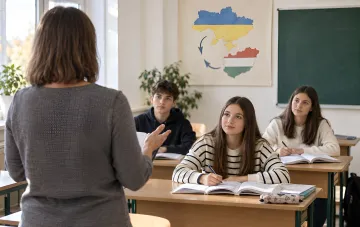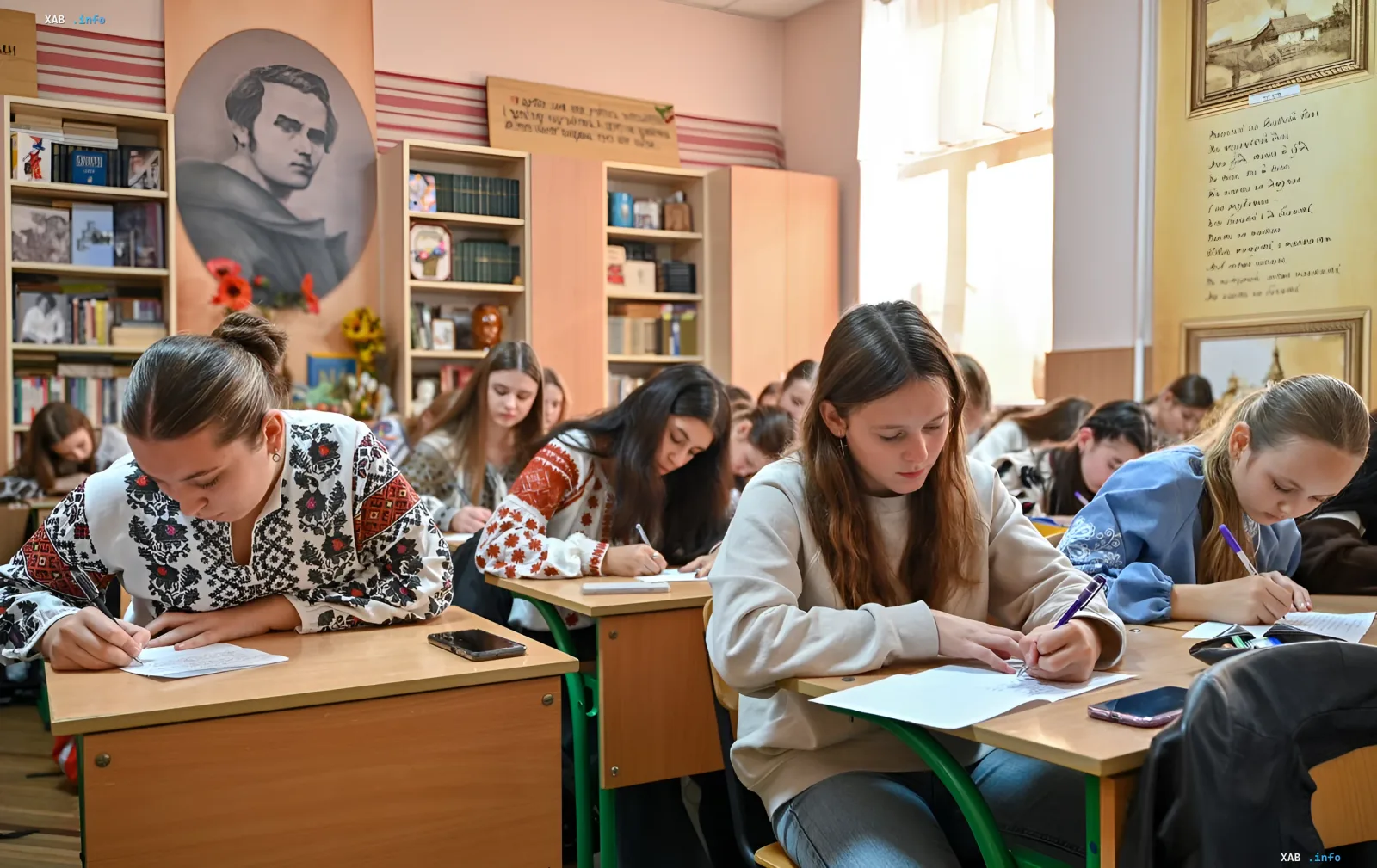
The Ministry of Education, Science and Sports of Lithuania has made a milestone decision to update the general curriculum for the Lithuanian language and literature by including works by the prominent Ukrainian poet, writer, and artist Taras Shevchenko. Now, Lithuanian schoolchildren will be able to gain a deeper understanding of the Ukrainian classic's heritage by studying it alongside national literature.
Implementation Stages and Mandatory Study
Already in the current 2026 academic year, Taras Shevchenko's works are recommended for study by eighth-grade students as well as third-year gymnasium pupils taking the general course in the Lithuanian language and literature. The scale of integration will expand: starting September 1, 2027, studying the works of the Ukrainian author will become mandatory for all eleventh-graders who choose the advanced course of the subject.
Which Works Were Included in the Curriculum
The official recommended list includes the famous poem "Zapovit" and the profound philosophical epistle "To My Dead, Living, and Yet Unborn Compatriots in Ukraine and Not in Ukraine, My Friendly Epistle". In addition, the teaching methodology allows teachers, while covering topics related to the Romanticism era, to independently expand the list and choose other works by the Ukrainian classic at their discretion.
Cultural Context and Historical Ties
The Lithuanian ministry emphasized that this step is aimed at strengthening multifaceted cultural ties between Lithuania and Ukraine, as well as at the effective integration of Ukrainian children studying in local schools. Minister of Education Raminta Popovienė highlighted the deep historical significance of Shevchenko's figure, reminding that the poet lived in Vilnius for several years, comprehended the basics of art there, and left a prominent mark on the city's cultural memory.
Contradictory Data
During the coverage of the educational reform in the media, some discrepancies arose regarding the exact deadlines for the mandatory introduction of subjects and the status of the authors. While official sources from the Lithuanian Ministry of Education clearly distinguish the recommendation stage of 2026 and the mandatory course starting September 1, 2027, for the advanced program, some news agencies initially interpreted the initiative as an immediate replacement of Russian authors with Ukrainian ones across all classes without a transition period. Additionally, in Prime Minister Mindaugas Sinkevičius's August initiatives, the issue of excluding Russian writers Mikhail Lomonosov and Gavrila Derzhavin from the programs was simultaneously considered, sparking discussions about the fate of classical heritage in modern Baltic school curricula.