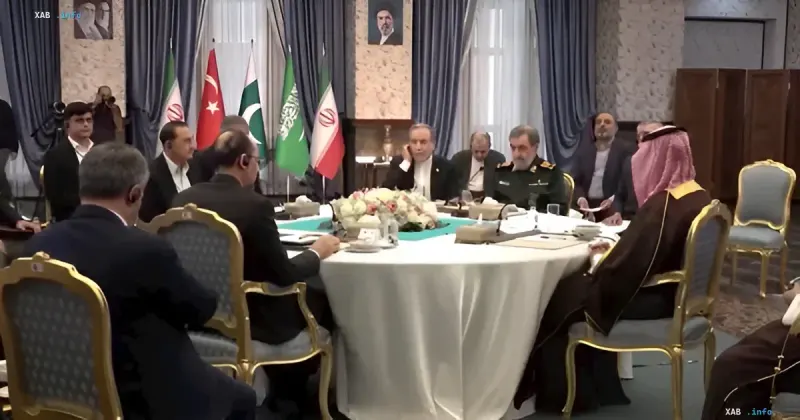
On October 27, a series of diplomatic contacts took place in Tehran, signaling new opportunities for de-escalating tensions in the Middle East. Secretary of Iran’s Supreme National Security Council Mohsen Rezaei held a meeting with Supreme Leader Mojtaba Khamenei the day after high-level talks with representatives of Saudi Arabia, Turkey, and Pakistan. According to Iranian state media, Khamenei emphasized the need to preserve conditions for ending the war, ensure control over the Strait of Hormuz, and strengthen relations with neighboring states.
First Negotiations Since the Mecca Treaty
The meeting in Tehran marked the first time that the three nations—signatories to the Mecca Mutual Defense Treaty concluded in August 2026—held high-level talks with Iran since the outbreak of the war in February, which was initiated by the US and Israel and subsequently spread to Saudi Arabia and Yemen. The delegations included Saudi Defense Minister Khalid bin Salman, Pakistan’s Chief of Army Staff Asim Munir, and Turkish Intelligence Chief Ibrahim Kalin. Iranian President Masoud Pezeshkian stated during the meeting that he was ready to strengthen regional cooperation, but Tehran did not change its conditions for ending the conflict. The parties agreed to continue discussions on regional security, though no ceasefire agreement was reached.
Mediation Plan and Washington’s Stance
To bridge the gap between Tehran and Washington, Pakistan’s Chief of Staff Asim Munir presented Iran with a mediation plan that received the approval of US President Donald Trump, according to Reuters sources. Iran demands an end to the naval blockade and the lifting of oil export sanctions; Washington, in turn, insists on curbs to Iran’s uranium enrichment program. Iranian officials emphasize that the nuclear program will not be discussed until Tehran's demands are met. The signatories of the Mecca Treaty, alongside Qatar, could act as guarantors of the agreement. Qatar is pushing for a phased concession plan: Iran reopens the Strait of Hormuz for commercial shipping in exchange for the US lifting the blockade of Iranian ports. The key difficulty is that neither side is willing to make the first concession, and disagreements over the nuclear program remain unresolved—precisely the factors that prevented the temporary peace agreement reached in June from preventing a resumption of hostilities.
Pressure on Riyadh: The Houthis and the Mecca Alliance
The personal presence in Tehran of Prince Khalid bin Salman, younger brother of Crown Prince Mohammed bin Salman, reflects Riyadh’s concern over the need to counter multiple threats simultaneously. Pressure on Saudi Arabia is mounting: on October 26, Houthi rebels claimed responsibility for attacks on pump stations along the East-West oil pipeline and the Riyadh airport, although the Saudi side has not yet confirmed these claims. On the same day, the Egyptian parliament approved military support for Saudi Arabia. The Mecca agreement stipulates that an armed attack on any of the three member states is considered an attack on all three. Nevertheless, the defense alliance will find it difficult to guarantee the security of oil and gas facilities and sea lanes if the US-Iran war resumes. Saudi commentator Ali Shihab, familiar with the country's leadership stance, notes that Riyadh does not seek escalation and fears that Israel might push Washington into a new military operation.
The Strait of Hormuz and Oil Markets
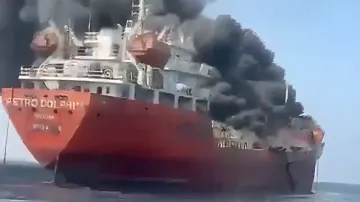
Iran's continued assertion of control over the Strait of Hormuz further complicates the negotiation process: this shipping route exerts pressure on Washington and is of critical importance for energy exports from Gulf states. Against the backdrop of diplomatic contacts, oil markets reacted with a decline: on October 27, Brent crude prices fell by nearly two dollars to $113.88 per barrel as investors anticipated that talks would help ease tensions. However, a sustained drop in quotes is only possible if a concrete agreement is reached on lifting the blockade and resolving the nuclear issue, rather than mere declarations of intent.