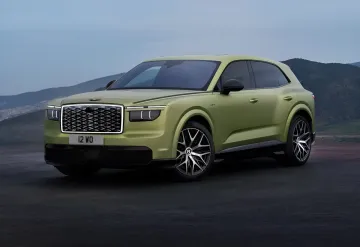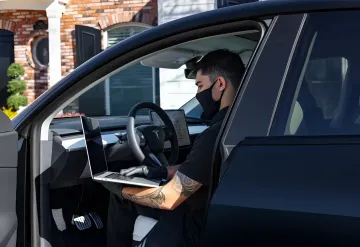

In August 2026, Tesla is moving to a new stage in the development of its autonomous taxi service. In Austin, the capital of Texas, specialized robotaxis called Cybercab are hitting the streets — two-seater electric vehicles completely devoid of steering wheels and pedals. This is a landmark event, as previously, since June 2025, the service operated based on production Model Ys, where the presence of a safety observer in the front passenger seat remained a mandatory requirement.
Exclusive Launch for Staff
Despite the loud announcements, access to the new robotaxis is currently limited. As reported by The Information, the Cybercab service will initially be available exclusively to Tesla employees. Notifications about the imminent availability of this option have already been sent to staff. The launch of the service for the general public in Austin is scheduled for the near future, although exact dates depend on regulatory approvals and technical readiness of the infrastructure.
Regulatory Restrictions in Nevada
Parallel to the launch in Texas, Tesla has faced significant restrictions when attempting to expand into the state of Nevada. Authorities in Clark County, where Las Vegas is located, approved the operation of only ten robotaxis, although the company requested permission for a fleet of 5,000 vehicles. Approved operating conditions include a maximum speed limit of 45 mph (72 km/h), a ban on serving the international airport, and a mandatory requirement for on-board signage indicating automated control. Additionally, each vehicle must be under constant remote human supervision.
Infrastructure Preparation and Safety
In Austin, preparation for the launch of the driverless taxi has been more successful. Municipal representatives confirmed that the city's emergency services have undergone special training on how to handle Cybercabs in the event of a malfunction or fire. On closed Tesla properties, these vehicles have already been used to transport employees since last month. The launch of the service on public roads is scheduled before the end of August 2026, although this deadline may be postponed.
Contradictory Data
There is a discrepancy in estimates regarding the scale of technology implementation. On one hand, Tesla claims rapid expansion of the service and preparation for a mass launch. On the other hand, the actual number of robotaxis operating even in Austin, where the service has been running since June of last year, does not exceed 20 vehicles. Meanwhile, in Nevada, authorities approved only 10 units, which is many times less than the requested 5,000. This creates uncertainty regarding the company's real plans for fleet scaling in the short term.