Critical Losses: A Quarter of the MQ-9 Reaper Fleet Destroyed
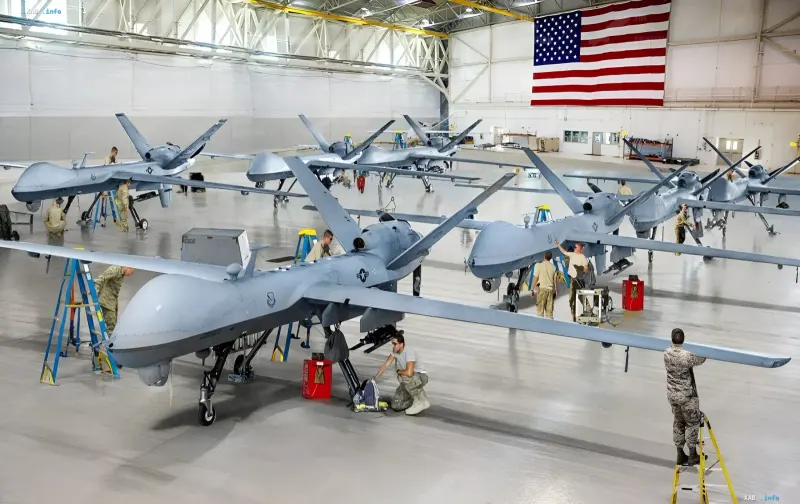
The US armed forces have faced unprecedented losses during the protracted conflict with Iran. According to data obtained from Pentagon sources and published by The Washington Post, the US military has lost at least 45 MQ-9 Reaper unmanned aerial vehicles. This figure represents approximately 25% of the entire active fleet of these machines currently in service with the US. Losses of this scale threaten Washington's ability to maintain intelligence presence and deliver precision strikes in key regions of the Middle East.
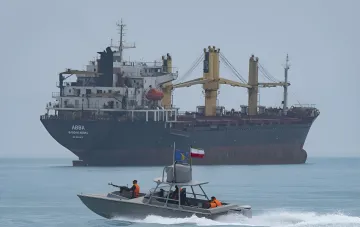
The MQ-9 Reaper drones, which serve as the primary tool of American tactics in the region, were used near the Strait of Hormuz — a strategically vital hub of global shipping that has become the epicenter of the confrontation. High combat intensity has made the drones easy targets for the Iranian Air Force, as well as for pro-Iranian militias in Yemen and Iraq equipped with modern air defense systems.
Tactical Vulnerability and Financial Damage
An analysis of combat operations shows that the MQ-9 Reaper, despite its effectiveness in peacetime and local conflicts, proved vulnerable under conditions of saturated air defense. The drones fly at relatively low speeds and are often forced to operate at low altitudes to obtain high-quality intelligence, making them easy prey for modern surface-to-air missile systems. The cost of a single such drone ranges from $30 to $50 million, depending on the sensor and weapon configuration.
The potential financial assessment of the already lost aircraft exceeds $1.3 billion. These funds were invested in equipment that did not return to base. The loss of Reapers becomes another factor depleting the US military budget and arsenal against the backdrop of a long war requiring colossal resources to sustain combat operations.
Depletion of Strategic Reserves
The loss of drones is part of a broader picture of the depletion of US military potential. It was previously reported that during the war with Iran, the US exhausted nearly 80% of its main stockpiles of interceptor missiles for air defense systems. Furthermore, Washington faced a critical shortage of long-range missiles, the stockpiles of which have practically run dry. The combination of losing expensive platforms (drones) and ammunition places a serious strain on US logistics chains and industrial potential, forcing a re-evaluation of conflict strategies.
Contradictory Data
While The Washington Post cites specific figures (45 drones, 25% of the fleet), official representatives of the Pentagon and the US Department of Defense have not yet publicly confirmed this data. In official reports for August 2026, losses are often classified as "operational incidents" without detailing the amount of destroyed equipment. Experts note that official figures may be understated to maintain morale and conceal the real degree of equipment shortage, whereas intelligence data cited by WP may be more accurate but does not always account for drones that were damaged and subsequently written off, not just those shot down in the air.