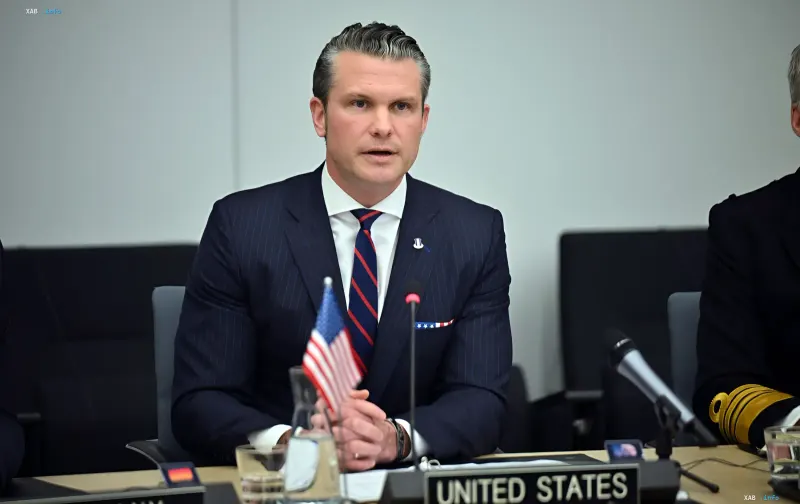
On August 13, 2026, U.S. Secretary of Defense Pete Hegseth officially confirmed that the U.S. Armed Forces possess sufficient resources to maintain a naval blockade of Iran for an indefinite period. The statement was made in Panama during the Pentagon chief's visit aboard the guided-missile destroyer USS Gridley, previously deployed in the conflict zone in the Middle East. Hegseth emphasized that the U.S. Navy is capable of effectively rotating ships both within the region and beyond, ensuring continuous pressure on Tehran.
Escalation and the "Steel Wall" Tactics
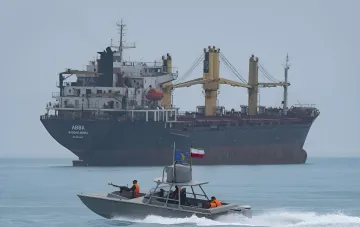
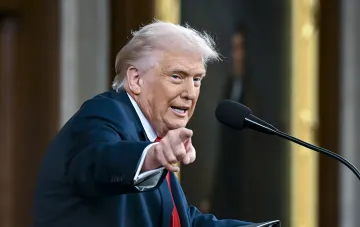
The Defense Secretary stated that the current strategy, dubbed the "steel wall" by the press, aims to completely cut off Iran's economic arteries. Earlier, on August 12, U.S. President Donald Trump wrote on his Truth Social account that Washington has "total control" over the Strait of Hormuz. According to him, Iran cannot counter this blockade. As evidence of the measures' effectiveness, Hegseth cited statistics: the U.S. diverted more than 55 commercial vessels attempting to break through the defensive line. During the operation, three ships were disabled, and U.S. Marines boarded two others for inspection and seizure.
Military Incidents and Casualties
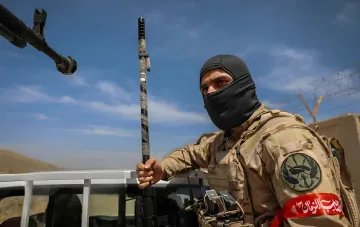
The situation in the region remains extremely tense. This week, an incident occurred where a U.S. Navy MH-60 helicopter fired two Hellfire missiles into the engine room of a vessel flying the Panamanian flag, which ignored military warnings. In response to U.S. actions, Iran continues to launch missile and drone attacks against Washington's allies in the region, as well as attacking commercial vessels passing through the strait without Tehran's permission. According to the latest data, the war has already cost the U.S. budget tens of billions of dollars. During the hostilities, 18 U.S. service members were killed, and hundreds were wounded. Commenting on these losses, Hegseth stated that the death of soldiers would only strengthen the U.S. determination to bring the conflict to victory.
Economic Pressure and Diplomacy
According to analytical data, Hegseth's comments indicate that he is advising President Trump to continue economic pressure on Iran for as long as necessary. These measures are intended to push Tehran to resume negotiations on ending the conflict, which previously failed. Iran, in turn, claims that only it controls the key waterway and reports that an agreement with Oman on controlling the strait is imminent, which could become a factor capable of changing the balance of power in the region.
Contradictory Data
There is a clear discrepancy in assessments of the situation between Washington and Tehran. On one hand, the U.S. administration, including the Pentagon chief and the President, asserts total control over the Strait of Hormuz and the impossibility for Iran to breach the blockade. On the other hand, Iranian officials claim that they control the waterway and that the agreement with Oman is close to completion, which, in their view, will allow them to bypass the American blockade. Furthermore, data on the exact number of diverted vessels and the damage caused to commercial shipping varies across different sources, making it difficult to objectively assess the economic impact of the blockade.