Geopolitical Deadlock in the Strait of Hormuz
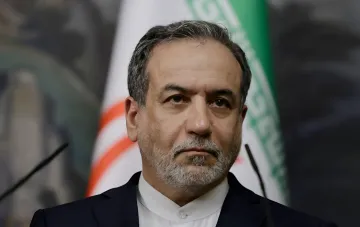
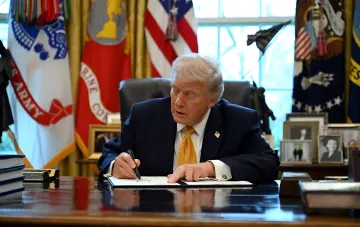
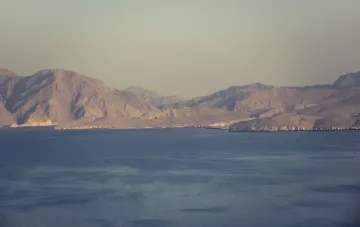
On August 13, 2026, tensions in the Persian Gulf reached a critical point after leaders of two superpowers — the United States and Iran — simultaneously claimed exclusive control over the strategically vital Strait of Hormuz. US President Donald Trump stated in his announcement that the United States exercises "full control" over this waterway, through which a significant portion of global energy supplies passes. In response, senior Iranian official Hossein Taeb, recently appointed to a leadership position in the paramilitary "Basij" unit, categorically refuted the American leader's words, stating that the strait is under the full control and management of the Islamic Republic.
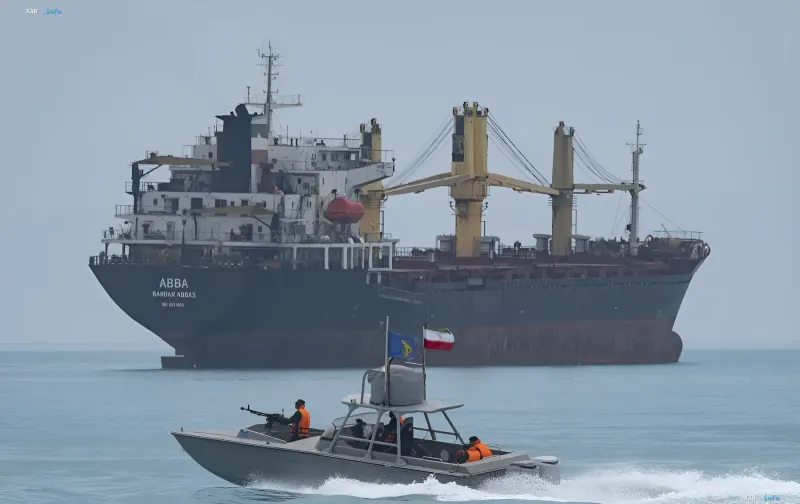
These mutually exclusive statements came against the backdrop of an ongoing crisis that began after the resumption of hostilities in February 2026. The situation is exacerbated by the fact that both sides are demonstrating a readiness for escalation: Iran openly speaks of readiness for a multi-year war, while the US is considering options ranging from harsh sanctions to large-scale military strikes.
Iran's Position: "We Control the Strait"
Speaking on August 13, Hossein Taeb emphasized that US attempts to undermine Iran's influence in the region have failed. He stated that Washington has suffered another defeat despite its claims about the weakness of the Iranian armed forces. Taeb noted that Iran continues its course to ensure the complete security of its borders and waterways. According to him, Iran will not open the strait for free navigation until the US fulfills its obligations under the temporary agreement that was signed earlier but soon collapsed.
Senior military-political official Rasoul Sanai-Rad added that the US cannot unilaterally restore navigation in the strait. He emphasized that Iran effectively closed the strait after the war began on February 28, and this decision remains in force until the conditions of the agreement are met.
US Position: "Full Control"
President Trump, in turn, stated that the US has full control over the Strait of Hormuz. This statement came against the backdrop of the US imposing a naval blockade on Iranian ships and ports after Iran resumed limited attacks on vessels, accusing them of violating agreements. Trump also changed his strategy towards Iran, betting on sanctions and waiting instead of direct military action. However, according to sources, the US has at least two plans: wait for the collapse of the Iranian economy or resume large-scale attacks.
Contradictory Data
There are serious contradictions in the assessments of the situation on both sides. Iran claims to control the strait and will not open it until the conditions of the agreement are met, while the US claims full control over the strait. These statements are not confirmed by independent sources, and the real situation on the ground remains unclear. Furthermore, there are discrepancies in dates and event details: Iran claims the strait was closed on February 28, while the US speaks of the resumption of attacks on ships after the signing of an agreement that collapsed a few weeks later.
Consequences for the Global Economy
One-fifth of the world's oil volume is transported through the Strait of Hormuz, making it one of the most important waterways in the world. Closing or restricting navigation in the strait could lead to serious economic consequences, including rising energy prices and supply chain disruptions. Consequently, the international community is watching the development of events with concern and is calling on the parties to dialogue and de-escalate tensions.