Rejection of Negotiation Format: Tehran's Position
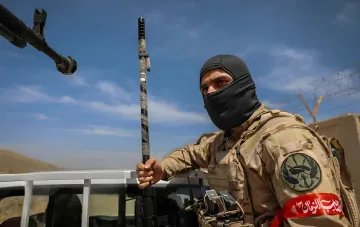
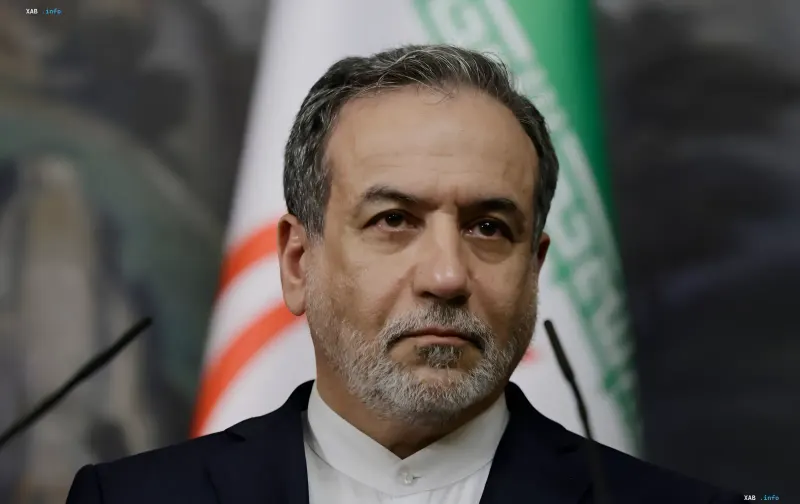
The Ministry of Foreign Affairs of Iran, represented by Minister Abbas Araqchi, has clarified the situation regarding diplomatic contacts with the United States. Amid rumors of a possible resumption of dialogue, official Tehran has categorically stated that a decision to start negotiations has not yet been made. Araqchi emphasized that the current activity of intermediaries — Qatar and Pakistan — is limited to the exchange of messages, which should not be confused with full-fledged negotiations. According to the Foreign Minister, the Islamabad Memorandum of Understanding, which was supposed to end hostilities, was violated by Washington, which resumed strikes. The Iranian side insists that they had agreed on ending the war, not a temporary ceasefire, and the conflict has entered a new, more dangerous phase.
Strait of Hormuz: Technical Routes and Political Conditions
Parallel to the tension in relations with the US, Iran is conducting active consultations with Oman regarding security in the Strait of Hormuz. Araqchi noted that the discussions are of a technical nature and focus on defining new shipping routes. Existing routes no longer work under current conditions, and the parties are developing a temporary route that could become permanent in the future. Military personnel and specialists from both countries are involved in this process, and a result is expected soon. However, the minister clearly distinguished between technical consultations and political decisions: opening the strait for transit depends directly on the fulfillment of conditions that must be met by the American side.
Contradictory Data
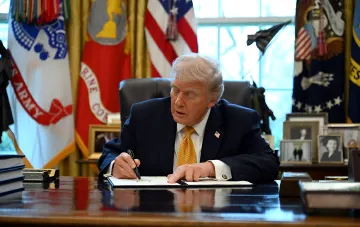
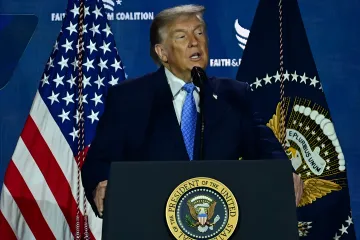
There are significant discrepancies in the assessment of the current situation in the information space. On the one hand, media previously reported that Washington and Tehran had preliminarily agreed to extend a 60-day ceasefire, which expires on August 17, 2026. However, details regarding the extension terms remain unclear. On the other hand, Donald Trump's statement about plans to declare the Strait of Hormuz US territory creates legal and diplomatic uncertainty. Trump did not explain the mechanisms for implementing this idea, considering that jurisdiction over parts of the strait belongs to Iran and Oman. The Iranian side, in turn, insists that no negotiations are taking place and that the exchange of messages is not a substitute for them.
Consequences for Regional Security
The situation in the Strait of Hormuz remains critically important for the global economy and regional security. Any closure or restriction of shipping could lead to a sharp spike in energy prices and destabilization of global markets. Iran's position that opening the strait depends on US actions indicates that Tehran is using this waterway as a lever of pressure. At the same time, the development of new routes with Oman indicates Iran's attempt to maintain control over the situation and minimize risks for its shipping.