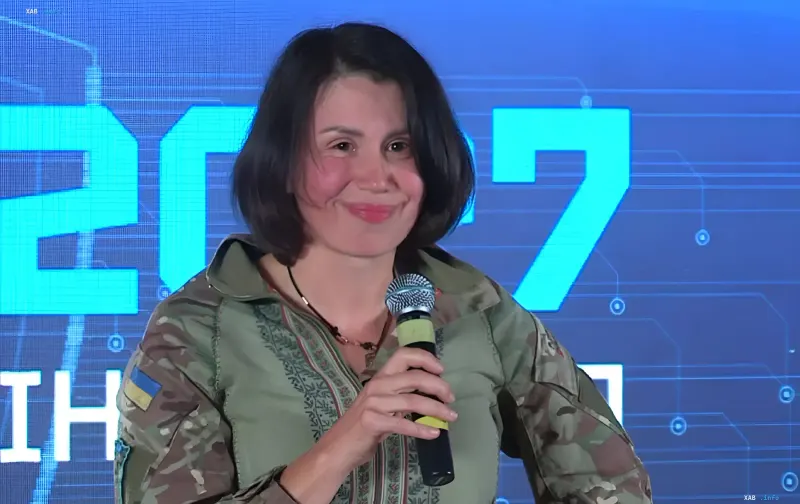
Tetiana Chornovol, commander of a strike UAV platoon, made a resonant statement at the "Defense 2027. Army, Technology, Industry" forum, highlighting the fundamental transformation in the nature of modern warfare. According to her, traditional infantry, which has spent years holding positions in damp trenches and dugouts, is gradually becoming a thing of the past, giving way to high-tech unmanned system units. The officer emphasized that today, drone operators are performing the lion's share of combat work in containing and destroying the enemy.
The New Battlefield Reality: Drones Instead of Trenches
The UAF officer explained that her statements about "drone infantry" are perceived by society as radical only due to the inertia of thinking and habituation to outdated formats of war. The media space is still dominated by heavy footage and stories about fighters at observation posts who remain completely surrounded for months, freezing and unable to receive timely evacuation even with severe wounds. However, as Chornovol notes, this format of holding territory in a classical combat sense has outlived itself and requires revision.
The Tactics of Unmanned Warfare
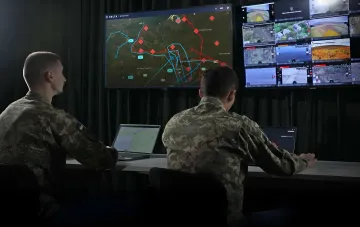
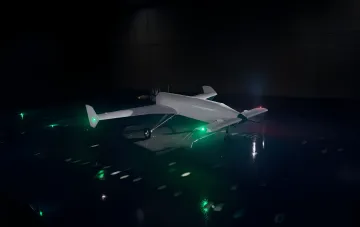
According to the platoon commander's assessments, modern combat missions on the frontline are solved using fundamentally different methods. When Russian forces launch an assault, strike drone units stop their advance; if the enemy retreats, pilots pursue them in the rear, and during positional lulls, they systematically destroy enemy shelters, logistics, and sapper groups. In fact, the key functionality of fire damage and line control has completely passed to UAV operators, turning the sky into the main theater of military operations.
The Cost of Human Life and Conflicting Approaches
The officer paid special attention to the issue of preserving personnel. According to her, traditional infantry in its current form—mostly older mobilized citizens forced to survive in inhumane conditions—would have ceased to exist as a phenomenon under the condition of strict and personal accountability of commanders for every loss. The enemy possesses colossal mobilization resources and can afford to maintain both types of infantry, throwing people to certain death. At the same time, the Ukrainian army must rely on technological superiority and the natural desire of every fighter to look for efficient, unconventional ways to accomplish tasks.
The Technological Leap and the Startup War
The topic of the army's technological transformation was supported by Yuriy Butusov, company commander of UAVs of the 23rd Assault Regiment of the 2nd Corps of the National Guard "Charter", who spoke at the same forum. He stated that the personnel crisis in the troops is directly related to the transformation of war into a knowledge-intensive process. According to Butusov's assessment, every army unit today actually functions as a technological startup developing human capital and new competencies, which has led to the formation of specialized assault units like the 23rd regiment, focused exclusively on UAV operations.