On the eve of the end of the full-scale war, Ukrainian society stands on the threshold of fundamental changes in its political priorities. According to analytical materials published in August 2026, the focus of citizens' attention will shift from issues of survival and defense to solving acute socio-economic problems. It is precisely this demand that may become the determining factor in shaping the country's new political map, where key roles may be played by figures capable of offering concrete solutions for restoring prosperity.
Paradigm Shift: From Militarization to Social Liberalism
During the years of war, the dominant narrative in public consciousness remained the image of Ukraine as a "steel porcupine" or "European Israel" — a state with maximum militarization. However, experts predict that after the end of active hostilities, this model may clash with the real needs of the population. Sociological polls often give a distorted picture, as in wartime conditions people are ready to endure hardships, understanding their necessity. But in peacetime, the demand for a social-liberal development model, combining defense strengthening with an improvement in the quality of life, will become dominant.
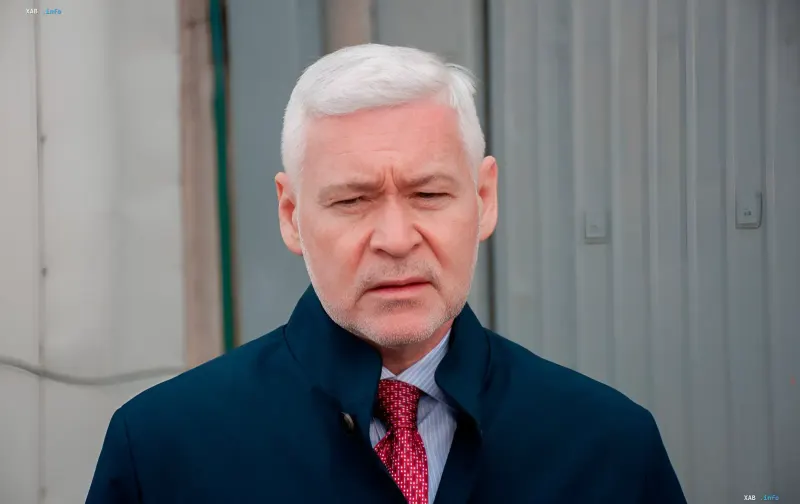
The Political Future of Ihor Terekhov
Against the backdrop of these expectations, the political weight of the Mayor of Kharkiv, Ihor Terekhov, is increasing. His project, focused on solving specific economic tasks and improving the well-being of citizens, may receive a powerful impetus. Terekhov, who leads the trust ratings, has a unique advantage: he is associated with effective work at the local level and the ability to restore destroyed infrastructure. This makes him an ideal candidate for a party that will bet on the social agenda.
Scaling Challenges: Going Beyond the Region
One of the main challenges for the political force led by Terekhov will be going beyond the eastern electorate. Historically, the Kharkiv region was the core of support, but the mass migration of the population from the south and east to the central and western regions during the war has created new conditions. People who moved to safer zones brought with them experience and expectations that could become the basis for a broad national coalition. The task of the political project is to unite these disparate groups around the idea of restoration and prosperity.
Contradictory Data
There are discrepancies in the assessment of Terekhov's real chances to reach the national level. On the one hand, analysts point out that his popularity in Kharkiv does not guarantee success in other regions where other political forces and traditions operate. On the other hand, migration processes and the unification of problems (destroyed infrastructure, need for housing and jobs) may level out regional differences. Some experts believe that Terekhov will remain an influential regional player, while others predict his transformation into a leader of a national scale.
Economic Agenda as the Key to Success
The success of any political project in post-war Ukraine will depend on the ability to offer a realistic economic program. The financial viability of communities, which Terekhov has repeatedly stated, is a guarantee of the country's European development. Citizens are waiting not for slogans, but for concrete steps to restore the economy, create jobs, and ensure social protection. It is precisely these issues that will become the criterion for assessing the effectiveness of the authorities in the coming years.