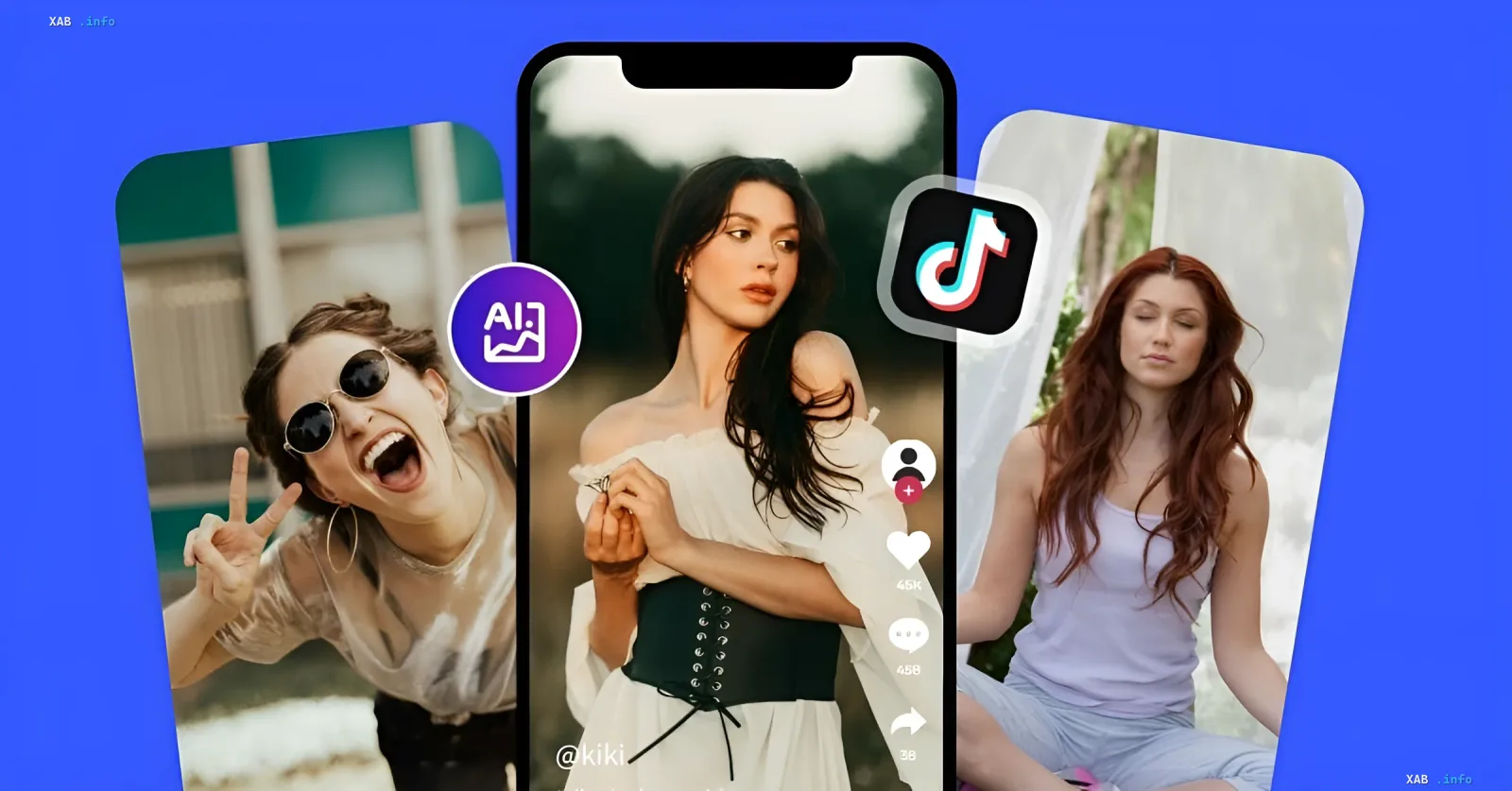
On July 14, TikTok announced the launch of a large-scale program to combat content created using artificial intelligence. The platform intends to tighten control over algorithmic spam, introduce new labeling tools, and improve users' digital literacy. This decision is a response to the explosive growth of deepfakes and generated videos that blur the line between reality and fiction.
Strike against spam: 86 million accounts removed
One of the key directions of the new strategy is the fight against low-quality content. According to official company data, in just the first three months of the current year, TikTok removed more than 86 million fake accounts. In the coming weeks, the platform plans to test new filters designed to identify and restrict accounts specializing in the mass distribution of AI-generated content.
Special attention will be paid to sensitive topics where disinformation can cause the most harm: politics, news agendas, financial advice, and health issues. Tom Varghese, Head of Global AI Policy at TikTok, emphasized that the main goal is to help users recognize generated content and use technologies responsibly.
User education and new transparency standards
In addition to technical restrictions, TikTok is betting on education. The platform announced a partnership with the National Association for Media Literacy Education (NAMLE) and deepfake expert Henry Aider. Together, they will develop a guide for the responsible use of AI. Also, a special information center has appeared within the app to help users assess the credibility of information and identify signs of AI content.
In terms of transparency, TikTok has joined the Executive Council of the Coalition for Content Provenance and Authenticity (C2PA). This organization develops standards for verifying the origin of digital materials. For two years, the platform has used Content Credentials technology to label videos created or significantly edited using AI. To date, more than 3 billion videos worldwide are marked using a combination of authentication technologies and hidden watermarks.
Global trend: how other platforms are reacting to AI
TikTok's initiatives are not an isolated case. Major tech giants are forced to adapt to the new reality. In early July, YouTube announced the introduction of more visible labels for videos created using AI. Now the platform uses an automated system: if the algorithm detects the use of neural networks but the author has not indicated this, the video will be automatically labeled. For long-form videos, the label will appear under the player, and for Shorts — directly on the video.
Meta has also updated the rules for Facebook and Instagram. Now, ads created or edited using AI tools (including third-party services like Photoshop or DALL·E) will be automatically marked with relevant information.
Legislative regulation: the example of Vietnam
Technological measures are supplemented by legislative initiatives. In Vietnam, an artificial intelligence law has been adopted, which requires labeling audio, video, and text materials created using AI to imitate the appearance or voice of real people. Labels must be easily recognizable so that users can distinguish generated content from authentic content. This sets a precedent for possible tightening of regulation in other countries.